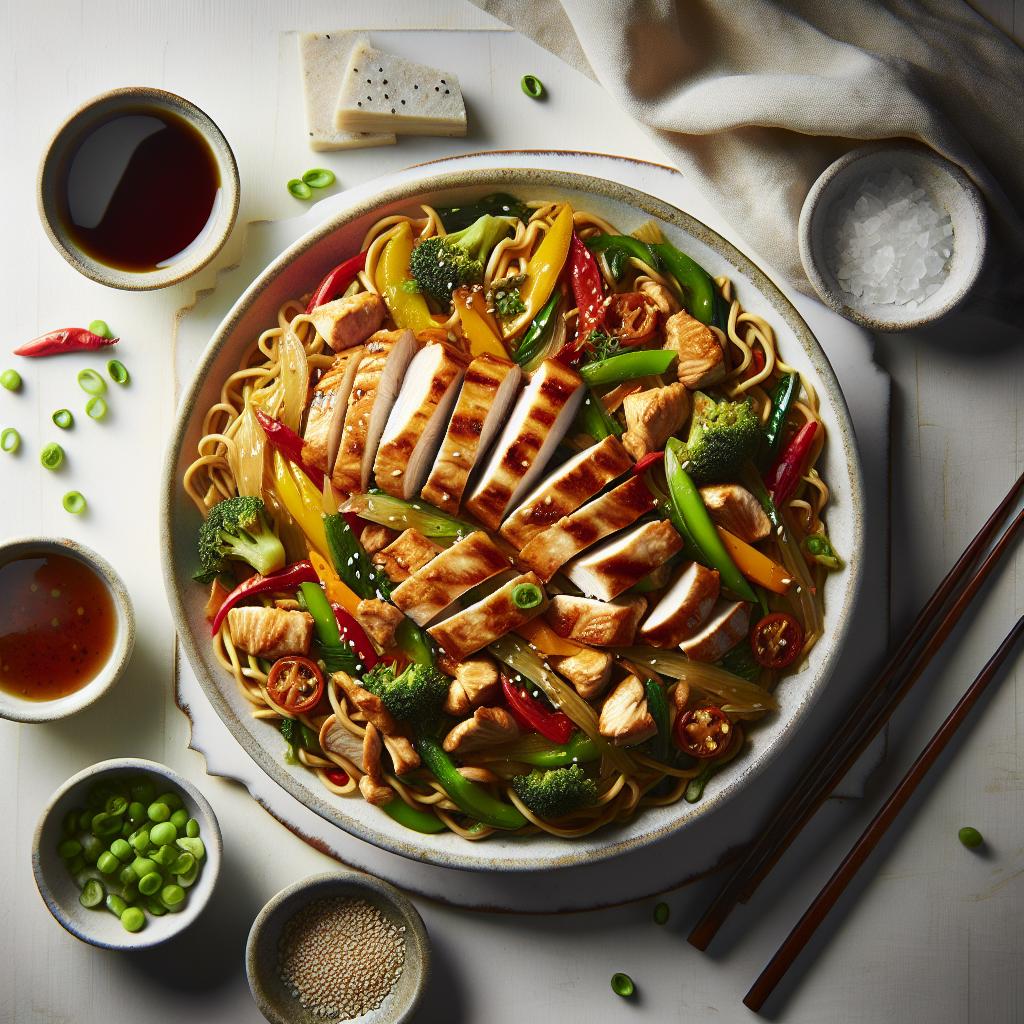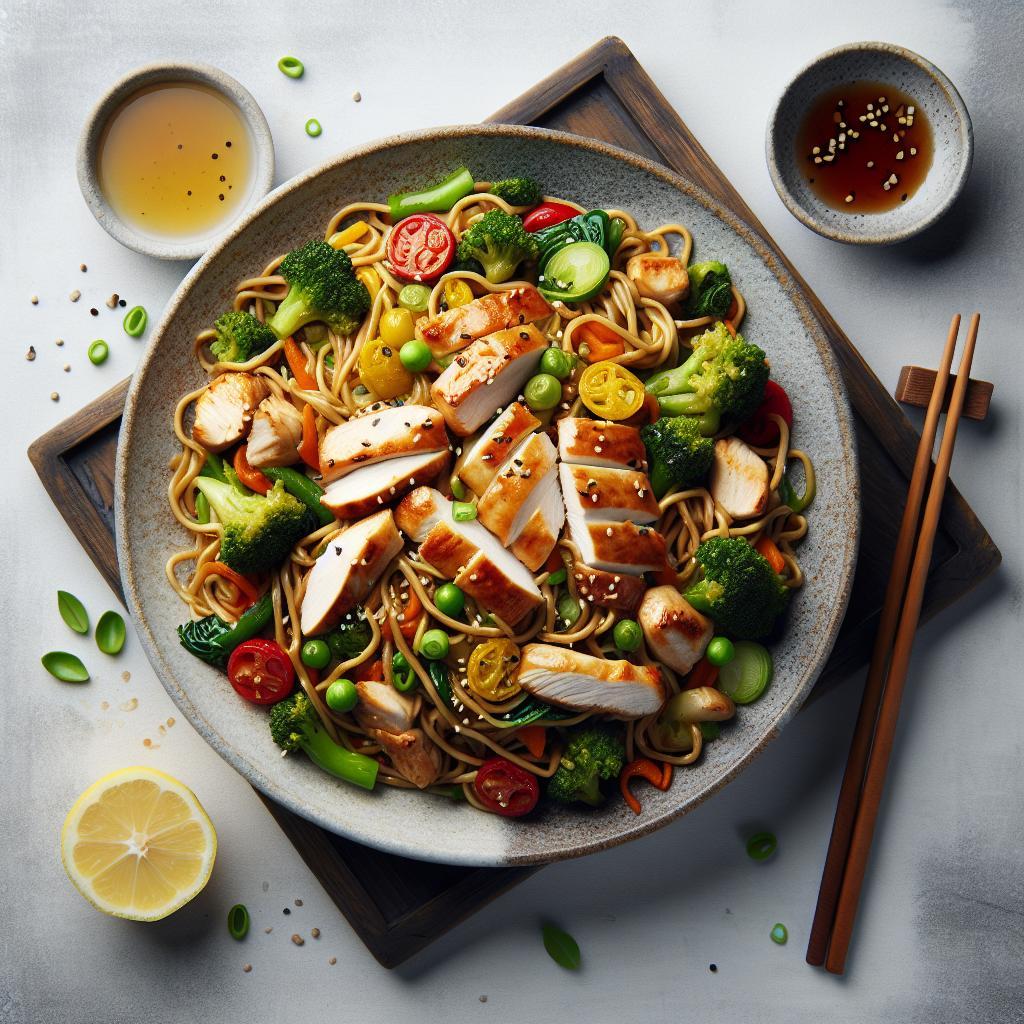

There’s something magical about the way chicken lo mein brings together tender noodles, succulent chicken, and a symphony of vibrant vegetables in one savory dish. It’s a classic comfort food that effortlessly balances bold flavors and satisfying textures, making it a beloved choice in homes and restaurants alike. But what if you could unlock the secret to making this flavorful favorite right in your own kitchen? In this step-by-step guide, we’ll unravel the culinary techniques and insider tips that turn simple ingredients into a mouthwatering masterpiece. Get ready to elevate your cooking game and transform everyday chicken lo mein into an unforgettable experience that dances on your taste buds.
Unlock Flavor begins with selecting the freshest, highest-quality ingredients to transform a humble chicken lo mein into a masterpiece bursting with depth and authenticity. This dish’s charm lies in its harmonious blend of textures and tastes-from tender chicken morsels and crisp vegetables to silkily smooth noodles-all held together by a perfectly balanced sauce. Sourcing fresh vegetables like crunchy bok choy, snap peas, and vibrant bell peppers not only adds color but amplifies the dish’s natural sweetness and complexity. For protein, opt for skinless boneless chicken breasts or thighs, thinly sliced against the grain to ensure quick, even cooking and melt-in-your-mouth tenderness.
The star of chicken lo mein is undeniably the noodle. Your choice and preparation of Asian-style egg noodles or fresh lo mein noodles are pivotal for that signature chewaterss and robust texture. To master the art of noodle texture, soak fresh noodles briefly or boil dried ones until just al dente, then shock in cold water to halt cooking. This technique keeps them springy and prevents mushiness during stir-frying. The goal is noodles that soak up sauce lovingly yet remain distinctly firm to the bite, providing a satisfying contrast to the tender chicken and crisp vegetables.
Crafting the ultimate sauce for chicken lo mein is an exercise in balance-combining savory, salty, sweet, and umami notes in one cohesive blend. A well-rounded sauce emphasizes soy sauce (light and dark), fragrant sesame oil, and a hint of oyster sauce (vegetarian alternatives available) for depth. Adding toasted garlic and fresh ginger at the start of cooking infuses an aromatic base. A touch of brown sugar harmonizes flavors, while a splash of chicken broth releases natural juices, creating that irresistible glossy coating that clings beautifully to every noodle strand and piece of chicken.
Stir-frying is where this dish truly comes alive, releasing maximum aroma and preserving freshness. Use high heat and a well-seasoned wok, tossing ingredients briskly and in stages-chicken first until golden, then vegetables until just tender-crisp-to maintain vibrant color and texture. The secret lies in timing: avoid overcrowding which causes steaming rather than searing, and always finish by adding noodles and the sauce to fold everything together swiftly without losing the slight bite and fresh character of each component.
Prep and Cook Time
- Preparation: 20 minutes
- Cooking: 15 minutes
- Total Time: 35 minutes
Yield
Serves 4 generous portions
Difficulty Level
Medium – perfect for those ready to elevate their stir-fry skills
Ingredients
- 8 oz fresh lo mein noodles (or dried egg noodles, cooked according to package, then rinsed in cold water)
- 1 lb boneless, skinless chicken breasts, thinly sliced
- 2 tbsp vegetable oil (for stir-frying)
- 1 cup snap peas, trimmed
- 1 cup thinly sliced red bell pepper
- 2 cups bok choy, chopped
- 3 cloves garlic, minced
- 1 tbsp fresh ginger, finely grated
- 1/4 cup light soy sauce
- 1 tbsp dark soy sauce
- 1 tbsp oyster sauce (or vegetarian mushroom sauce)
- 1 tsp toasted sesame oil
- 2 tsp brown sugar
- 1/4 cup low sodium chicken broth
- 2 green onions, sliced thinly for garnish
- Sesame seeds (optional, for garnish)
Instructions
- Prepare the noodles: If using dried, cook noodles in boiling water until al dente (about 3-4 minutes), drain and rinse under cold water to stop cooking. Set aside to drain thoroughly.
- Marinate chicken: Toss sliced chicken in 1 tbsp light soy sauce and a pinch of pepper. Let rest for 10 minutes.
- Make the sauce: In a small bowl, whisk together the remaining light soy sauce, dark soy sauce, oyster sauce, toasted sesame oil, brown sugar, and chicken broth until smooth. Set aside.
- Heat wok or large skillet: Over high heat, add 1 tbsp vegetable oil. When shimmering, add chicken and stir-fry until golden brown and cooked through, about 4-5 minutes. Remove chicken to a plate.
- In the same wok, add remaining oil then garlic and ginger. Sauté until fragrant, about 30 seconds, stirring constantly to avoid burning.
- Add vegetables: Toss in snap peas, bell pepper, and bok choy. Stir-fry until crisp-tender, about 3-4 minutes, preserving their vibrant colors and slight crunch.
- Return chicken to the wok. Give the sauce a quick stir then pour it over the chicken and vegetables. Toss everything thoroughly to coat.
- Add noodles: Gently fold in the noodles, turning carefully to avoid breaking. Cook for 1-2 minutes more, allowing noodles to absorb the sauce and warm through.
- Garnish and serve: Sprinkle with sliced green onions and optional sesame seeds. Serve immediately for the freshest flavor and texture.
Tips for Success
- For a gluten-free option, substitute soy sauces with tamari or coconut aminos, and use rice noodles instead.
- Avoid overcrowding the wok to ensure proper caramelization and prevent steaming.
- Prep all ingredients before heating the wok; stir-frying moves fast!
- Customize vegetables based on seasonality-shredded carrots, bean sprouts, or baby corn are excellent additions.
- For a deeper flavor, allow the sauce to rest for 10 minutes before cooking to meld the ingredients.
Serving Suggestions
Elevate your chicken lo mein by serving it garnished with crisp green onions and a sprinkle of toasted sesame seeds. Pair with a light side like steamed edamame or a tangy Asian cucumber salad to contrast the savory richness. For a fun twist, offer crisp wonton chips on the side to scoop up the noodles, enhancing the textural experience.
| Nutrient | Per Serving |
|---|---|
| Calories | 450 kcal |
| Protein | 32 g |
| Carbohydrates | 50 g |
| Fat | 10 g |
Discover more noodle varieties for stir-fry dishes and learn how to master textures like a pro. For authentic soy sauce selection and history, visit Serious Eats.

Q&A
Q: What makes Chicken Lo Mein different from other noodle dishes?
A: Chicken Lo Mein stands out with its perfectly tender noodles tossed in a savory, slightly sweet sauce that wraps around pieces of juicy chicken and crisp vegetables. Unlike stir-fried noodles that get crispy, lo mein noodles stay soft and silky, creating a comforting texture that’s a hallmark of the dish.
Q: What kind of noodles are best for Chicken Lo Mein?
A: Traditionally, lo mein uses egg noodles that are thick and chewy, making them ideal for soaking up the flavorful sauce. You can find them fresh or dried-just be sure to cook them until al dente to maintain the perfect bite when tossed in the stir-fry.
Q: How do you infuse maximum flavor into the chicken?
A: Marinating the chicken is key. A simple mix of soy sauce, a touch of sesame oil, minced garlic, and a hint of ginger allows the chicken to absorb layers of umami and aromatic flavor. Let it sit for at least 20 minutes before cooking to unlock that deeper taste.
Q: Can I customize the vegetables in my Chicken Lo Mein?
A: Absolutely! While classic recipes often include bok choy, bell peppers, carrots, and snap peas, feel free to experiment with broccoli, mushrooms, or even baby corn. The goal is to have a balance of crunch and softness to complement the noodles and chicken.
Q: What’s the secret to making the sauce rich and well-balanced?
A: The magic lies in combining salty soy sauce with a bit of sweetness-think brown sugar or honey-and a splash of oyster sauce or hoisin (both vegetarian-friendly options). Adding a dash of chili oil or fresh ginger can give it a little twang, making the sauce complex without overpowering the other ingredients.
Q: How do you ensure the noodles don’t clump together?
A: After boiling, rinse the noodles under cold water and toss them with a small amount of sesame or vegetable oil. This simple step lubricates the strands so they remain separate and smooth once added to the stir-fry.
Q: What cooking techniques enhance the overall dish?
A: Stir-frying over high heat is essential. It quick-sears the chicken, crisps the veggies just right, and allows the sauce to coat every ingredient perfectly. Keeping your ingredients organized and adding them in stages helps control texture and flavor balance.
Q: Can Chicken Lo Mein be made ahead or stored for leftovers?
A: Yes! It tastes even better the next day as the flavors meld. Store it in an airtight container in the fridge for up to 3 days. When reheating, sprinkle a few drops of water and stir gently to bring back the noodles’ original softness.
Q: What tips help beginners avoid common mistakes?
A: Don’t overcook the noodles-soft but not mushy is the goal. Avoid overcrowding the pan, which can steam rather than fry your ingredients and dull the flavors. Lastly, taste your sauce before tossing-adjust seasoning step-by-step to suit your palate.
Q: Why is Chicken Lo Mein such a crowd-pleaser at home?
A: It’s a perfect harmony of textures and flavors: tender chicken, crisp veggies, and slurp-worthy noodles bathed in a savory sauce that feels both comforting and exciting. Plus, it’s flexible and quick to make, bringing restaurant-quality magic right to your kitchen table.
To Conclude
As you wrap up your culinary adventure with this step-by-step guide to chicken lo mein, remember that mastering this flavorful dish is more than just following a recipe-it’s about unlocking a world of savory satisfaction in every bite. From the perfectly tender chicken to the vibrant medley of vegetables and the rich, aromatic sauce, each element comes together to create a harmony that dances on your palate. So roll up your sleeves, gather your ingredients, and let your kitchen become a gateway to authentic, mouthwatering lo mein. With this guide in hand, you’re not just cooking-you’re crafting a delicious experience that brings comfort, creativity, and a burst of flavor to your table every time. Happy cooking!