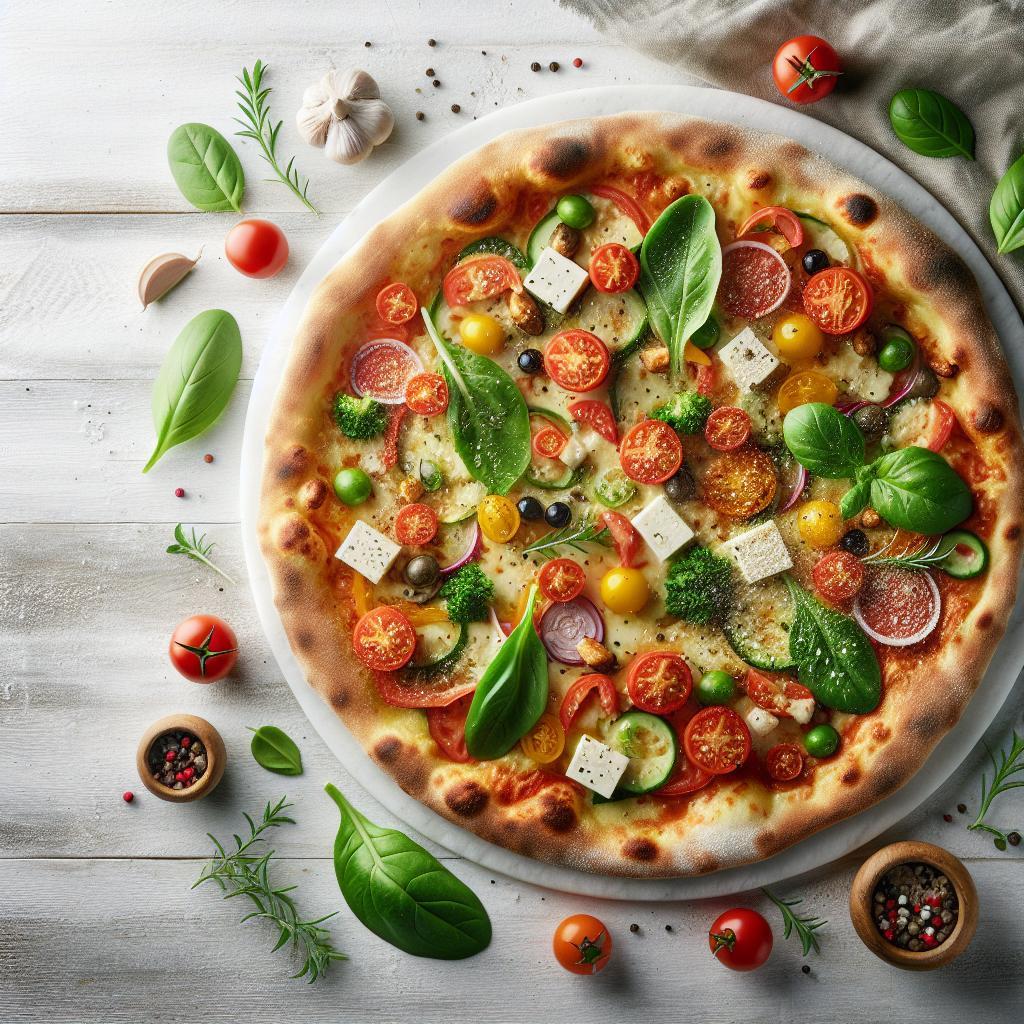

There’s something undeniably magical about pizza – that perfect, golden crust cradling layers of bubbling cheese, vibrant sauces, and an orchestra of fresh, flavorful toppings. But beyond its universal appeal lies an art form, a culinary symphony crafted bite by bite. “Savor the Flavor: Exploring the Art of Meal Pizza Making” invites you to journey into this delicious craft, where every ingredient tells a story, every technique transforms simple dough into a masterpiece, and every meal becomes an experience. Whether you’re a seasoned pizzaiolo or a curious kitchen adventurer, join us as we peel back the layers of tradition, creativity, and passion that make pizza making one of the most beloved arts in the world of food.
Savor the Flavor: Exploring the Art of Meal Pizza Making
Savor the flavor begins with understanding the delicate balance of texture, aroma, and freshness that transform a humble pizza into a culinary masterpiece. This journey into meal pizza making celebrates the alchemy of ingredients and techniques, from hand-kneading the perfect dough to unlocking the secrets behind a rich, tangy sauce and pairing toppings that sing together in harmony. Whether you’re a seasoned pro or an enthusiastic beginner, mastering these essentials will elevate your pizza night to a sensory celebration.
Prep and Cook Time
- Preparation: 30 minutes (plus 1-2 hours resting time for dough)
- Cooking: 12-15 minutes
- Total Time: Approximately 2 hours
Yield
Serves 4 medium-sized pizzas, perfect for sharing and savoring every bite.
Difficulty Level
Medium – With attention to detail, this recipe is approachable and rewarding for home cooks eager to explore artisanal pizza crafting.
Ingredients
- For the Dough:
- 3 ½ cups all-purpose flour, sifted
- 1 ¼ cups warm water (110°F/45°C)
- 2 teaspoons active dry yeast
- 2 tablespoons extra virgin olive oil
- 1 ½ teaspoons fine sea salt
- 1 teaspoon sugar
- For the Sauce:
- 1 can (14 oz) whole peeled plum tomatoes, crushed by hand
- 2 cloves garlic, minced
- 1 tablespoon extra virgin olive oil
- 1 teaspoon dried oregano
- ½ teaspoon crushed red pepper flakes (optional)
- Salt and freshly ground black pepper, to taste
- 1 teaspoon sugar to balance acidity
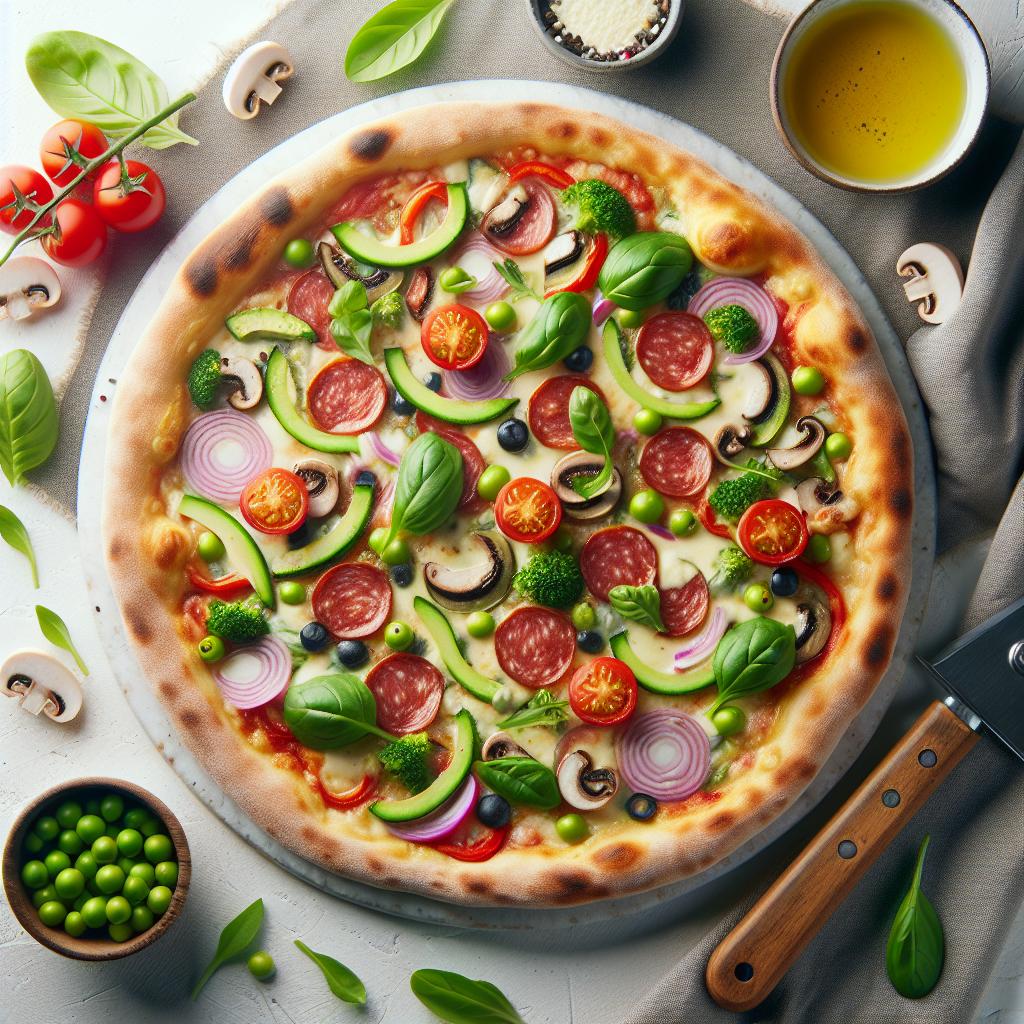
- Toppings: Customize with fresh, vibrant ingredients such as sliced bell peppers, mushrooms, red onions, fresh basil leaves, and generous amounts of mozzarella cheese.
Instructions
- Activate the Yeast: In a small bowl, combine warm water, sugar, and active dry yeast. Stir gently and let it rest for 5-10 minutes until foamy, signaling that the yeast is alive and ready.
- Mix the Dough: In a large bowl, whisk flour and sea salt. Make a well in the center, pour in the yeast mixture and olive oil. Using a wooden spoon or your hands, combine ingredients until a shaggy dough forms.
- Knead to Perfection: Transfer dough to a lightly floured surface. Knead vigorously for 8-10 minutes until smooth and elastic. This step develops gluten, crucial for a chewy, airy crust.
- Let it Rest: Place the dough in a lightly oiled bowl, cover with a damp cloth, and let it rise in a warm place until doubled in size, approximately 1-2 hours.
- Prepare the Sauce: While dough rises, heat olive oil in a saucepan over medium heat. Add minced garlic, sauté until fragrant but not browned, about 1 minute. Add crushed tomatoes, oregano, sugar, salt, pepper, and optional red pepper flakes. Simmer gently for 20 minutes, stirring occasionally, until thickened and flavors meld.
- Shape the Dough: Punch down risen dough and divide into 4 portions. On a floured surface, roll or stretch each ball into a 10-12 inch circle with slightly thicker edges to catch the sauce and toppings.
- Assemble the Pizza: Spread a thin layer of the rich sauce evenly over each dough base. Layer your chosen toppings-balance is key: anchor with cheese first, then distribute vegetables and herbs uniformly for maximum taste impact.
- Bake with Precision: Preheat your oven to the highest possible temperature (450-500°F/230-260°C). Bake pizzas on a pizza stone or a preheated baking sheet to mimic a wood-fired oven effect. Bake for 12-15 minutes until crusts are golden and crisp, cheese melted and bubbling.
- Garnish and Serve: Once baked, finish with fresh basil leaves or a delicate drizzle of extra virgin olive oil. Slice using a sharp pizza cutter and serve immediately for the best textural contrasts and aromatic experience.
Tips for Success
- Dough Rest: Patience is your ally; allowing the dough to rest enhances gluten development and flavor complexity.
- Sauce Simmering: Low and slow cooking unlocks the depth in tomato sauce. Avoid rushing to preserve a fresh yet rich profile.
- Crust Crispness: Use a pizza stone or steel preheated thoroughly to replicate the intense radiant heat of professional ovens – this is key for that coveted crispy bottom crust.
- Topping Balance: Avoid overloading toppings which can lead to soggy dough; instead, layer thoughtfully for optimal cooking and flavor harmony.
- Make Ahead: Dough keeps well refrigerated overnight; bring it to room temperature before shaping. Sauce also stores beautifully, often deepening in flavor the next day.
Serving Suggestions
Present your pizzas on rustic wooden boards or colorful ceramic platters to highlight their artisanal charm. Complement with a simple arugula salad tossed in lemon vinaigrette to refresh the palate. Offer a sprinkle of crushed red pepper or a drizzle of balsamic glaze for guests who enjoy a hint of spice or sweetness. Pairing with sparkling water infused with citrus slices elevates the sensory experience without overpowering the rich flavors.
| Nutritional Information (per serving) | Calories | Protein | Carbs | Fat |
|---|---|---|---|---|
| Pizza Dough (1/4 portion) | 250 kcal | 7g | 50g | 3g |
| Tomato Sauce (1/4 cup) | 40 kcal | 1g | 8g | 1g |
| Cheese & Toppings | 180 kcal | 12g | 5g | 14g |
| Total per serving | 470 kcal | 20g | 63g | 18g |
Explore more about crafting personalized pizza sauces and enhance your culinary toolkit.
For deep dives into food science and fermentation tips, visit Serious Eats, a high-authority culinary resource trusted by chefs worldwide.

Q&A
Q&A: Savor the Flavor – Exploring the Art of Meal Pizza Making
Q1: What makes “meal pizza” different from a traditional pizza?
A1: Meal pizza is a creative twist on the classic pie, where each slice is designed to capture the essence of a complete meal. Instead of the usual pizza toppings, it features ingredients you might find in a hearty entrée, carefully layered to balance flavors, textures, and aromas. Think of it as a culinary journey where pizza becomes a canvas for multiple meal inspirations.
Q2: How do I start creating a meal pizza at home?
A2: Begin with a well-prepared dough as your foundation-whether classic, gluten-free, or whole grain. Then choose a sauce that complements your chosen meal flavor profile-tomato-based, creamy béchamel, or even pesto. From here, select ingredients that mirror a meal’s components, like roasted vegetables, grilled chicken, or flavorful cheeses, building layers that offer richness and depth.
Q3: Can meal pizzas accommodate dietary restrictions?
A3: Absolutely! One of the best things about meal pizza making is its versatility. Vegan, vegetarian, gluten-free, or dairy-free diets can be easily honored by swapping ingredients. For example, use plant-based cheese alternatives, load up on roasted legumes and hearty vegetables, or opt for gluten-free crusts made from cauliflower or chickpea flour to tailor the pizza to your needs.
Q4: What techniques can enhance the flavor complexity of a meal pizza?
A4: To elevate your pizza, think about layering flavors and textures thoughtfully. Marinating proteins before cooking, caramelizing vegetables, or sprinkling fresh herbs and finishing salts after baking can add bursts of flavor. Additionally, balancing acidity, creaminess, and spice ensures every bite delivers a harmonious and satisfying experience.
Q5: Which cheeses pair best with meal pizzas?
A5: The choice of cheese depends on the meal theme. Mild mozzarellas provide a gooey canvas, while tangy goat cheese or creamy ricotta add brightness and richness. For a smoky depth, aged cheeses like provolone or smoked gouda suit autumn-inspired or barbecue-style pizzas. The key is to use cheese to complement-not overpower-the other toppings.
Q6: How important is the crust in meal pizza making?
A6: The crust is the unsung hero. A perfectly baked crust offers structure and texture, holding the toppings without sogginess while adding its own flavor character-whether crispy and thin or thick and chewy. Experimenting with herbs, garlic butter, or seeds in your dough can further tie the flavors together and elevate the final dish.
Q7: Are there any secret ingredients that add an unexpected twist?
A7: Indeed! Ingredients like preserved lemons, balsamic glaze, toasted nuts, or a drizzle of flavored oil can introduce surprise notes that awaken the palate. Incorporating a hint of spice through chili flakes or smoked paprika can also add intrigue, making your meal pizza a memorable adventure in taste.
Q8: How can I balance nutrition and indulgence in meal pizza making?
A8: The beauty of meal pizzas lies in their ability to combine wholesome ingredients with indulgent comfort. Including loads of colorful vegetables, lean proteins like grilled chicken or legumes, and whole grain crusts can keep the pizza nourishing. Meanwhile, fresh herbs, selective cheeses, and moderation in oils ensure richness without excess.
Q9: What is the best way to serve meal pizza for a gathering?
A9: For groups, consider creating several smaller meal pizzas with distinct themes-such as Mediterranean veggie, spicy chicken, or mushroom and truffle-offering a variety of flavors. Cut into sharable slices and pair with simple sides like fresh salads or roasted seasonal vegetables to round out the experience.
Q10: How do I troubleshoot common pizza-making challenges to get the best meal pizza?
A10: To avoid soggy crusts, a hot oven and pre-baking the crust slightly before adding toppings help. Ensure toppings aren’t too wet by patting vegetables dry. Manage cooking times to prevent overcooked cheeses or undercooked dough. Lastly, use high-quality ingredients and don’t rush the dough fermentation, as these small details make a big difference in flavor and texture.
Savor each slice as a masterpiece, blending tradition and innovation in the art of meal pizza making!
In Conclusion
As the aroma of a perfectly crafted meal pizza fills your kitchen, you realize that this art is more than just combining ingredients-it’s about embracing creativity, balance, and a dash of passion. From selecting fresh toppings to mastering the ideal crust, every step invites you to savor not only the flavors but the joyful experience of making something uniquely yours. So next time you gather around the table, remember that meal pizza making is more than a recipe-it’s a delicious journey that celebrates the heart of cooking itself. Bon appétit!