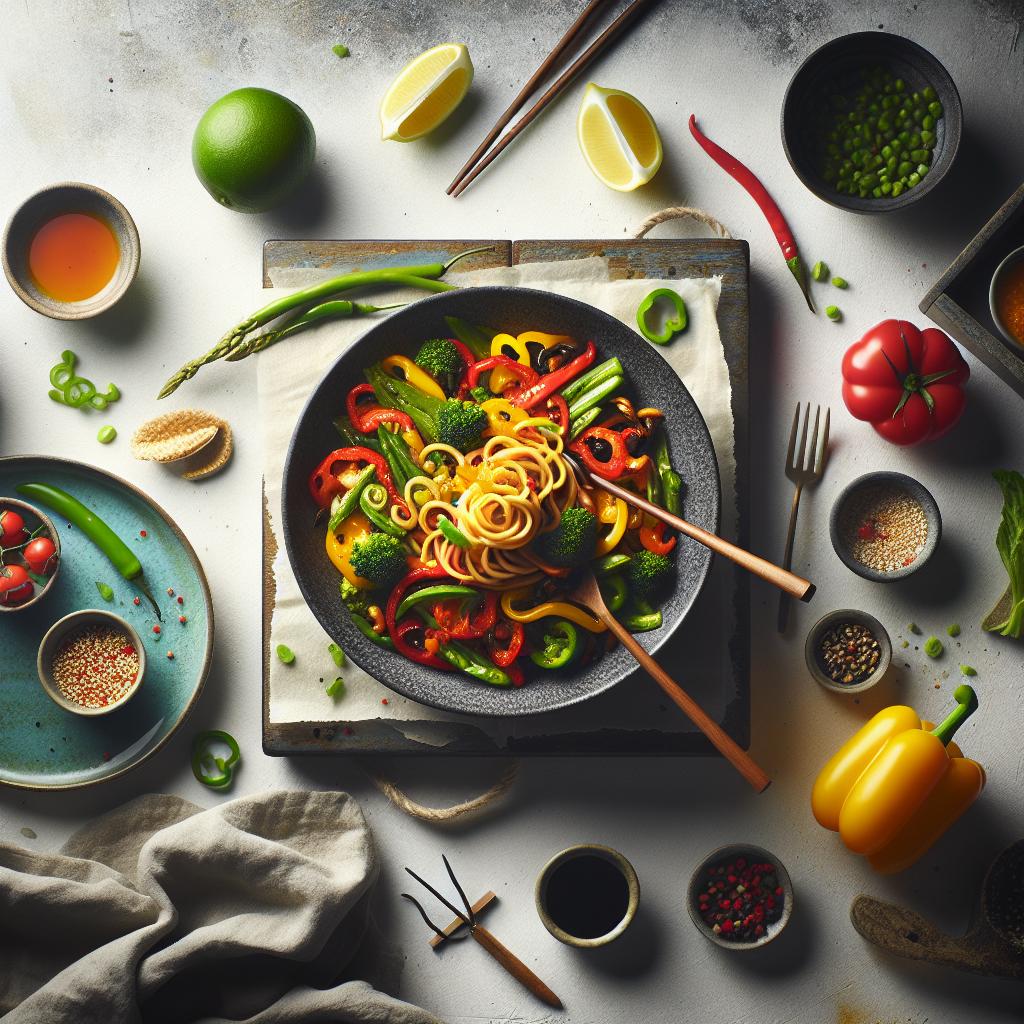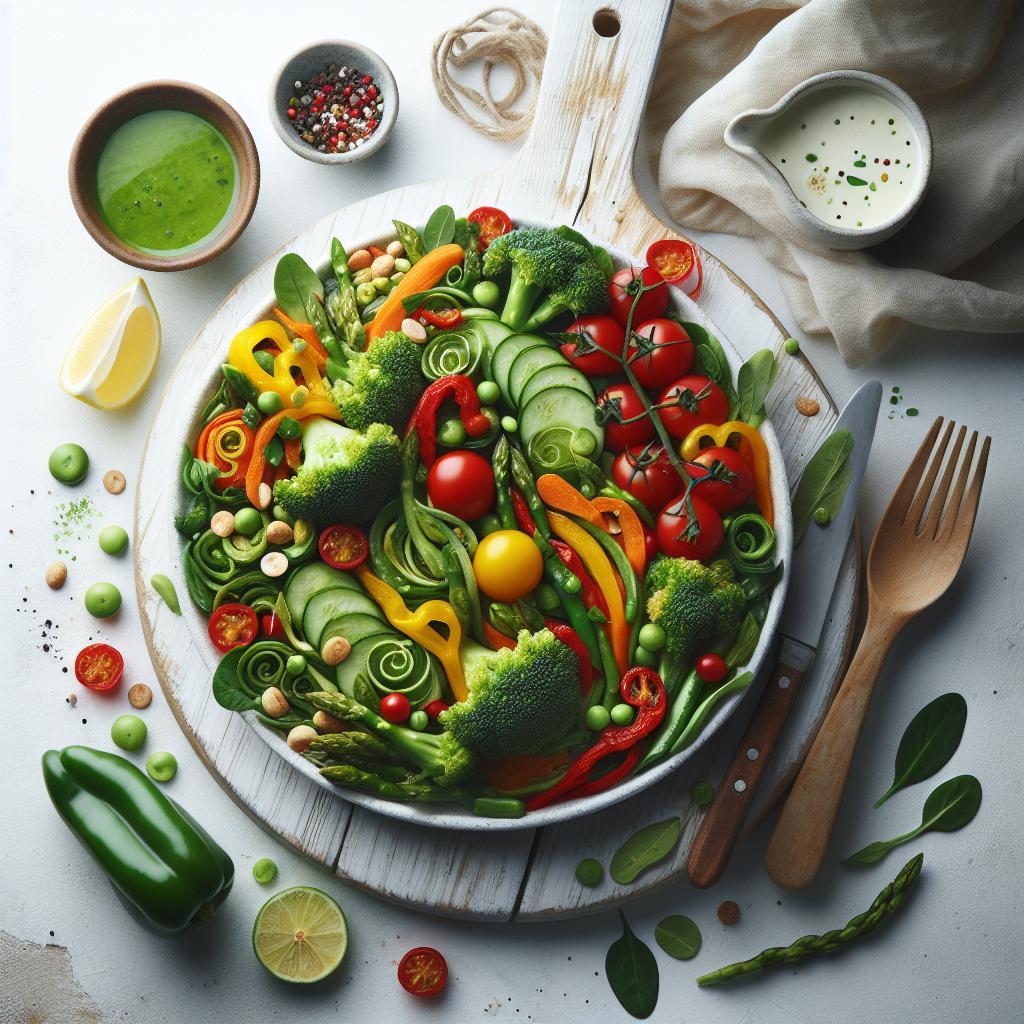

In a world where flavor often leans sweet or savory, there’s a captivating charm in the unexpected tang that awakens the palate and ignites the senses. Welcome to the vibrant realm of vegetable sour delights-a culinary twist that transforms humble greens and roots into zesty marvels brimming with bright acidity and refreshing punch. “The Tangy Twist: Exploring the Zest of Vegetable Sour Delight” invites you on an exploration of this dynamic flavor frontier, where sour meets soil in a lively dance of taste and tradition. From fermented favorites to citrus-kissed creations, discover how sour vegetables elevate everyday dishes, invigorate health, and bring a bold new zest to your table.
- The Origins and Cultural Roots of Vegetable Sour Delight
- Prep and Cook Time
- Yield
- Difficulty Level
- Key Ingredients That Bring the Zesty Flavor to Life
- Techniques to Perfect the Balance of Tang and Freshness
- Creative Recipes and Serving Suggestions for Every Palate
- Chef’s Notes: Tips for Success
- Q&A
- The Way Forward
The Origins and Cultural Roots of Vegetable Sour Delight
The Tangy Twist of vegetable sour delight is a culinary treasure that traces its roots back to vibrant street markets and humble home kitchens across Southeast Asia. This dish embodies centuries of cultural exchange, where fresh garden vegetables meet the sharp, invigorating zing of tamarind, lime, or vinegar. Its popularity is owed to a masterful balance of sourness, freshness, and subtle sweetness-a harmony that sings on the palate and evokes the lively spirit of community feasts and family gatherings. Inspired by personal travels and kitchen experiments, recreating this dish brings an uplifting zest that brightens any meal.
Prep and Cook Time
- Preparation: 15 minutes
- Cooking: 20 minutes
Yield
Serves 4 as a side dish or appetizer
Difficulty Level
Easy – perfect for cooks looking to explore bold sour flavors with simple techniques
Key Ingredients That Bring the Zesty Flavor to Life
- 1 cup fresh green beans, trimmed and halved
- 1 cup thinly sliced cabbage
- 1 medium carrot, julienned
- 2 tablespoons tamarind paste – the soul of the sourness, lending a natural tang
- Juice of 1 large lime – for bright, citrus acidity
- 1 tablespoon rice vinegar – adds a mellow sharpness
- 1 teaspoon palm sugar – balances the sour notes with gentle sweetness
- 2 cloves garlic, minced – infuses warmth and depth
- 1 small fresh red chili, finely sliced – optional, for a subtle heat kick
- 2 tablespoons vegetable oil – for sautéing
- Fresh cilantro and toasted peanuts, for garnish – aromatic and crunchy textural contrasts
Techniques to Perfect the Balance of Tang and Freshness
- Blanche the vegetables: Submerge the green beans, cabbage, and carrots in boiling salted water for 2 minutes, then immediately transfer them to an ice bath. This “shocks” the veggies, preserving crispness and vibrant color.
- Create the sour base: In a small bowl, whisk together tamarind paste, lime juice, rice vinegar, and palm sugar until the sugar dissolves completely. Taste often and adjust the sweetness or acidity to fit your palate.
- Sauté aromatics: Heat the oil over medium heat. Add garlic and chili, cooking until fragrant (about 30 seconds) but not browned to avoid bitterness.
- Combine and toss: Add drained vegetables to the pan, pour the sour mixture over, then toss gently to coat without bruising the vegetables.
- Rest gently: Allow the dish to sit off heat for 5 minutes to let flavors meld beautifully before serving.
Creative Recipes and Serving Suggestions for Every Palate
Explore fresh takes on this classic by pairing vegetable sour delight with jasmine rice for a satisfying meal or incorporate it as a zesty topping for grilled tofu or chickpea patties. For a refreshing brunch idea, mound it atop avocado toast, garnished with a sprinkle of toasted sesame seeds and microgreens.
The lively colors of green beans, orange carrots, and deep purple cabbage create a visually striking plate. Garnish generously with fresh cilantro and a handful of toasted peanuts for contrast in texture and an herbal note that elevates the dish’s brightness. For those seeking a bit more punch, a drizzle of chili oil or a squeeze of extra lime can be offered on the side.
Chef’s Notes: Tips for Success
- Tamarind paste substitute: If unavailable, substitute with an equal amount of fresh lemon juice and a pinch of brown sugar, but the flavor will be less complex.
- Make-ahead option: Prepare the sour dressing a day ahead to deepen the flavor. Keep vegetables separate and combine just before serving to maintain freshness.
- Vegetable variations: Snap peas, bell peppers, or sliced radishes work wonderfully to add crunch and color diversity.
- Balance acidity: Always taste your sour mix before combining – the interplay of tartness, sweetness, and savory notes makes the dish a true delight.
- Oil choice: Use a neutral-flavored oil like sunflower or safflower to keep the focus on the zesty dressing.
| Nutrient | Per Serving |
|---|---|
| Calories | 120 kcal |
| Protein | 3 g |
| Carbohydrates | 18 g |
| Fat | 5 g |
Try more vibrant vegetable salads here.
For further insight into the magic of tamarind in global cuisine, consider this comprehensive resource from the Encyclopaedia Britannica.

Q&A
Q&A: The Tangy Twist: Exploring the Zest of Vegetable Sour Delight
Q1: What is “Vegetable Sour Delight,” and why is it gaining popularity?
A1: Vegetable Sour Delight is a vibrant culinary creation that celebrates the tangy zest derived from naturally fermented or pickled vegetables. Its popularity stems from the unique balance of sharp acidity with fresh vegetable crunch, providing a refreshing and healthful twist to everyday dishes. This bold flavor profile elevates meals by adding complexity and a lively punch that awakens the palate.
Q2: Which vegetables are commonly used in creating this tangy treat?
A2: A wide array of vegetables can be transformed into Vegetable Sour Delight. Classics include cucumbers, carrots, cabbage, radishes, and beets. Each vegetable brings its own texture and subtly different sour notes, making the dish versatile and adaptable to various cuisines. The choice of vegetable also influences the color and nutritional benefits of the final product.
Q3: What fermentation processes contribute to the sourness in these vegetable dishes?
A3: The signature sourness comes mainly from lactic acid fermentation. In this natural process, beneficial bacteria convert sugars in the vegetables into lactic acid, which not only imparts the tangy flavor but also acts as a natural preservative. This transformation enhances the digestibility of the vegetables and can boost gut health through probiotics.
Q4: How does incorporating Vegetable Sour Delight impact the nutritional value of a meal?
A4: Incorporating these tangy vegetables adds a burst of vitamins, minerals, and fiber while enriching the meal with probiotics when naturally fermented. The fermentation process can increase the bioavailability of nutrients and introduce enzymes that support digestion. For those seeking a plant-forward diet, it’s a flavorful way to achieve both taste and wellness benefits.
Q5: Can Vegetable Sour Delight be enjoyed in various culinary forms?
A5: Absolutely! It can be served as a tangy side salad, a zesty topping for sandwiches and bowls, or blended into dressings and sauces for an extra kick. Chefs often use it to brighten heavy dishes, balance rich flavors, or offer a delightful contrast in textures. Its versatility makes it a spirited ingredient in both traditional and modern cooking.
Q6: What are some creative ways to make your own Vegetable Sour Delight at home?
A6: Start by choosing fresh, crisp vegetables and slice them uniformly for even fermentation. Combine with salt and optionally herbs or spices like garlic, dill, or mustard seeds. Submerge the mixture in a brine or ferment dry (also called lacto-fermentation) in an airtight container kept at room temperature for several days to weeks, depending on desired sourness. Experimentation with fermenting times and flavoring agents personalizes the tangy finish.
Q7: Are there any tips for beginners to ensure successful fermentation?
A7: Yes! Keep everything clean to avoid unwanted molds. Use non-reactive containers like glass or food-grade plastic. Maintain consistent temperature (ideally around 68-72°F or 20-22°C) and ensure vegetables stay submerged under the brine to prevent spoilage. Taste periodically to find your perfect tang-fermentation is as much an art as it is a science.
Q8: How does the tangy profile of Vegetable Sour Delight enhance global cuisines?
A8: The bright acidity can cut through rich, fatty, or starchy elements commonly found in many cultures’ dishes, refreshing the palate and balancing flavors. It pairs beautifully with grains, legumes, and roasted vegetables, adding a lively note that bridges traditional recipes with modern flavor trends. Its tangy zest invites innovation and cultural fusion in the kitchen.
Q9: Can Vegetable Sour Delight be part of a mindful and sustainable eating practice?
A9: Definitely! Fermenting vegetables extends their shelf life, reduces food waste, and encourages seasonal eating by transforming surplus harvests into delicious pantry staples. This practice aligns with sustainable culinary values by utilizing natural preservation techniques without artificial additives, fostering a more eco-conscious and healthful approach to food.
Q10: Where can readers find inspiration to explore the flavors of Vegetable Sour Delight?
A10: Inspiration abounds from farmers markets to global kitchens. Exploring regional pickling traditions-from Korean kimchi and Eastern European sauerkraut to Indian achar-provides a treasure trove of ideas. Online food communities, fermentation workshops, and cookbooks dedicated to plant-based and fermented foods are excellent resources to dive deeper into this tangy, vibrant world.
The Way Forward
As we conclude our flavorful journey through the vibrant world of Vegetable Sour Delight, it’s clear that this tangy twist is much more than just a dish-it’s a celebration of zest, culture, and the ingenious ways vegetables can dance on our taste buds. Whether you savor its sharp bite as a refreshing starter or a palate-cleansing side, the sour notes awaken a unique harmony that tantalizes and refreshes. Embracing this culinary gem invites us to appreciate the bold interplay of acidity and earthiness, transforming humble vegetables into a symphony of bright, invigorating flavors. So next time you crave something both tangy and wholesome, remember the spirited charm of Vegetable Sour Delight-a dish that proves zest truly is a secret ingredient to delight.