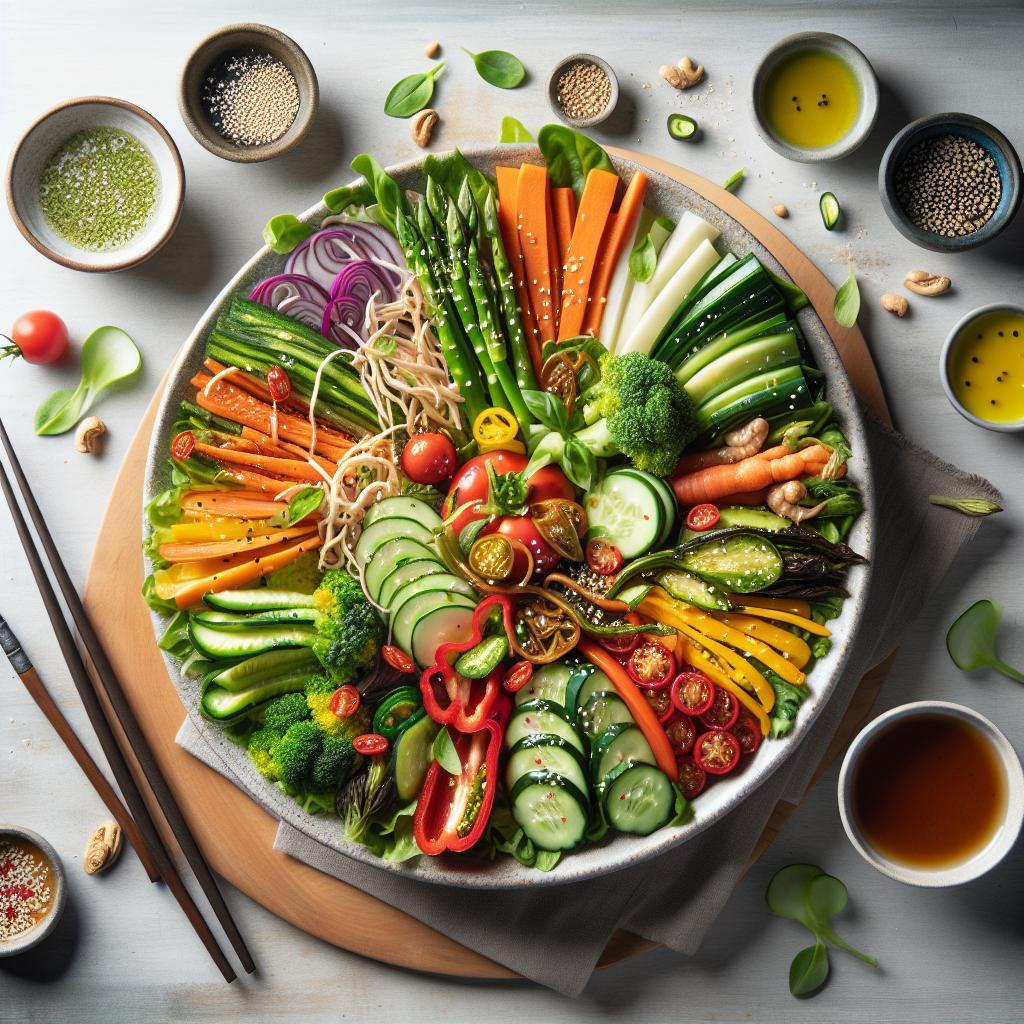

In the vibrant tapestry of global cuisine, Eastern vegetables weave a rich and colorful thread, bursting with unique flavors, textures, and nutritional treasures. From the crisp bite of bok choy to the earthy depth of lotus root, these vegetables invite culinary adventurers to explore a world where tradition meets innovation on every plate. But beyond their enticing taste, Eastern vegetables offer a powerhouse of nutrients that nourish the body and enliven the senses. In this flavorful guide to nutrition, we’ll journey through the gardens and markets of the East, uncovering the stories, health benefits, and creative ways to bring these extraordinary ingredients into your kitchen. Prepare to redefine your relationship with veggies and savor a new spectrum of wellness and taste.
Exploring Eastern Vegetables: A Flavorful Guide to Nutrition
Exploring Eastern vegetables unveils a vibrant palette of unique flavors and textures that are as nourishing as they are delicious. Rooted deeply in culinary traditions across Asia, these vegetables offer not only taste but an abundance of health benefits, making them essential additions to your kitchen repertoire. From the tender bitterness of bok choy to the subtle sweetness of lotus root, each ingredient carries a story and nutritional powerhouse ready to transform your everyday meals into extraordinary experiences.
Prep and Cook Time
- Preparation: 15 minutes
- Cooking: 20 minutes
- Total Time: 35 minutes
Yield
- Serves 4
Difficulty Level
- Easy to Medium
Ingredients
- 1 cup daikon radish, peeled and julienned
- 1 cup bok choy, chopped
- 1/2 cup lotus root, sliced thin
- 1/2 cup snow peas, trimmed
- 2 tablespoons toasted sesame oil
- 3 garlic cloves, finely minced
- 1 tablespoon freshly grated ginger
- 2 tablespoons low-sodium soy sauce
- 1 teaspoon honey or maple syrup
- 1 tablespoon toasted sesame seeds
- 1 small red chili, thinly sliced (optional)
- Fresh cilantro leaves, for garnish
Instructions
- Prepare the vegetables: Rinse all vegetables under cold water. Julienne the daikon radish, chop the bok choy into bite-size pieces, thinly slice the lotus root, and trim the snow peas. Pat dry completely to avoid excess moisture during cooking.
- Heat the pan: Warm the toasted sesame oil in a large skillet or wok over medium heat until shimmering.
- Sauté aromatics: Add minced garlic and grated ginger. Sauté for 1-2 minutes until fragrant but not browned, stirring constantly to prevent burning.
- Add vegetables: Toss in the daikon radish, lotus root, and snow peas first. Stir-fry for about 5 minutes until they begin to soften but retain their crunch.
- Incorporate bok choy: Add chopped bok choy, stirring frequently. Cook for another 3-4 minutes until the greens are wilted and vibrant.
- Season: Drizzle soy sauce and honey (or maple syrup) evenly over the vegetables. Add sliced red chili if desired for a gentle heat. Stir thoroughly to coat everything in the sauce.
- Final touch: Cook for 1-2 additional minutes so the flavors meld perfectly. Remove from heat.
- Garnish and serve: Sprinkle toasted sesame seeds and fresh cilantro leaves over the dish for a lovely contrast and aroma. Serve immediately.
Tips for Success
- Selection tip: Choose fresh lotus root with no brown spots and firm texture. Bok choy stalks should be crisp and free from yellowing.
- Prep shortcut: Use a mandoline slicer for even lotus root slices, which enhances cooking consistency and presentation.
- Flavor variation: Substitute sesame oil with avocado oil for a milder taste or add a splash of rice vinegar for tangy brightness.
- Make-ahead: Prepare the vegetables in advance and refrigerate in separate containers. Stir-fry just before serving to maintain crispness.
- Common issue: Overcooking can ruin the texture; aim for vegetables that are tender-crisp to retain nutrients and color.
Serving Suggestions
This vivid vegetable medley shines when served alongside steamed jasmine rice or fluffy brown rice for a wholesome meal. For a heartier option, plate it atop soba noodles or pair with grilled tofu for plant-based protein. Garnish with a wedge of lime to brighten flavors and a sprinkle of crushed peanuts for texture contrast. A small bowl of miso soup complements the dish’s subtle earthiness perfectly, creating an authentic Eastern dining experience.
| Nutrient | Per Serving |
|---|---|
| Calories | 120 kcal |
| Protein | 3 g |
| Carbohydrates | 15 g |
| Fat | 7 g |

For a deeper dive into Eastern vegetable varieties and their culinary versatility, visit our comprehensive guide on Eastern vegetables. To enrich your nutritional knowledge, check out this Nutrition.org resource for science-backed health benefits of plant-based foods.
Q&A
Q&A: Exploring Eastern Vegetables – A Flavorful Guide to Nutrition
Q: What makes Eastern vegetables unique compared to Western varieties?
A: Eastern vegetables often boast bold flavors, distinctive textures, and vibrant colors that reflect centuries of culinary tradition. Many are prized not only for their taste but also for their remarkable health benefits rooted in Eastern holistic practices. From the crunchy freshness of Chinese water spinach to the subtle sweetness of lotus root, these vegetables add both nutrition and cultural richness to any meal.
Q: Can you highlight some popular Eastern vegetables and their nutritional perks?
A: Absolutely! Take bok choy, for instance-a leafy green packed with vitamins A, C, and K alongside calcium. Daikon radish is another staple, known for its digestive enzymes and high fiber content that promote gut health. Then there’s bitter melon, which carries antioxidants and compounds believed to support blood sugar regulation. Each vegetable offers a unique set of nutrients, making Eastern cuisine a treasure trove for health-conscious eaters.
Q: How can I incorporate Eastern vegetables into my everyday cooking?
A: Simple stir-fries, steaming, or pickling are fantastic ways to showcase these vegetables while preserving their nutrients. Tossing sliced lotus root into a crisp salad adds crunch and visual appeal, while quick sautés with garlic and ginger can enhance the natural flavors without overwhelming them. Don’t hesitate to experiment by blending these vegetables into soups or noodle dishes, enriching familiar recipes with an exotic twist.
Q: Are there specific Eastern vegetables that help boost immunity?
A: Indeed! Vegetables like shiitake mushrooms contain beta-glucans, compounds that may enhance immune response. Additionally, garlic chives are rich in vitamins C and A, known for their immune-supporting properties. Incorporating a variety of these nutrient-dense vegetables can create a wholesome diet naturally inclined to keep the body resilient.
Q: What cultural significance do Eastern vegetables hold beyond nutrition?
A: Many Eastern vegetables carry symbolic meanings in festive occasions and everyday life. For example, lotus root symbolizes purity and long life in many Asian cultures, often featured in celebratory meals. Similarly, radishes can signify prosperity in some traditions. Beyond their nutritional profile, these vegetables connect people to history, stories, and the rhythms of seasonal cycles, enriching the dining experience.
Q: Are Eastern vegetables suitable for those following a plant-based diet?
A: Absolutely! Eastern vegetables are inherently plant-based and versatile, making them ideal for vegetarian and vegan lifestyles. Their depth of flavor and diverse textures can elevate plant-based dishes, offering both nourishment and satisfaction without reliance on animal products. They work harmoniously with tofu, legumes, and grains to create balanced, wholesome meals.
Q: What should beginners keep in mind when sourcing and storing Eastern vegetables?
A: For the freshest produce, visit Asian markets or specialty grocers where these vegetables are often available seasonally. When storing, leafy greens like bok choy should be kept in the refrigerator’s crisp drawer wrapped loosely in paper towels, while root vegetables such as daikon prefer cool, dark spots. Treat these veggies gently to maintain their texture and nutritional value.
Q: How do Eastern vegetables contribute to sustainable eating habits?
A: Many Eastern vegetables fit well into sustainable diets due to their often seasonal availability and cultivation methods rooted in traditional agriculture. Integrating diverse vegetables reduces reliance on monoculture crops, supports biodiversity, and encourages mindful consumption. Embracing these plants can be part of a broader commitment to environmental stewardship.
Exploring Eastern vegetables opens a delightful and nutritious portal to cultures rich in flavor and wisdom. With a little curiosity and creativity, anyone can bring these vibrant ingredients to their table and experience the wholesome benefits they offer.
To Wrap It Up
As we close this flavorful journey through the vibrant world of Eastern vegetables, it’s clear that these nutrient-packed treasures offer more than just taste-they provide a bridge to culture, tradition, and well-being. Embracing these diverse greens and roots not only enriches your palate but also breathes new life into your nutritional habits. Whether sautéed, steamed, or stirred into a hearty soup, Eastern vegetables invite us to explore a spectrum of flavors and textures that nourish both body and soul. So next time you step into the market, let curiosity guide you toward these wholesome gems, and savor the delicious story they bring to your plate.