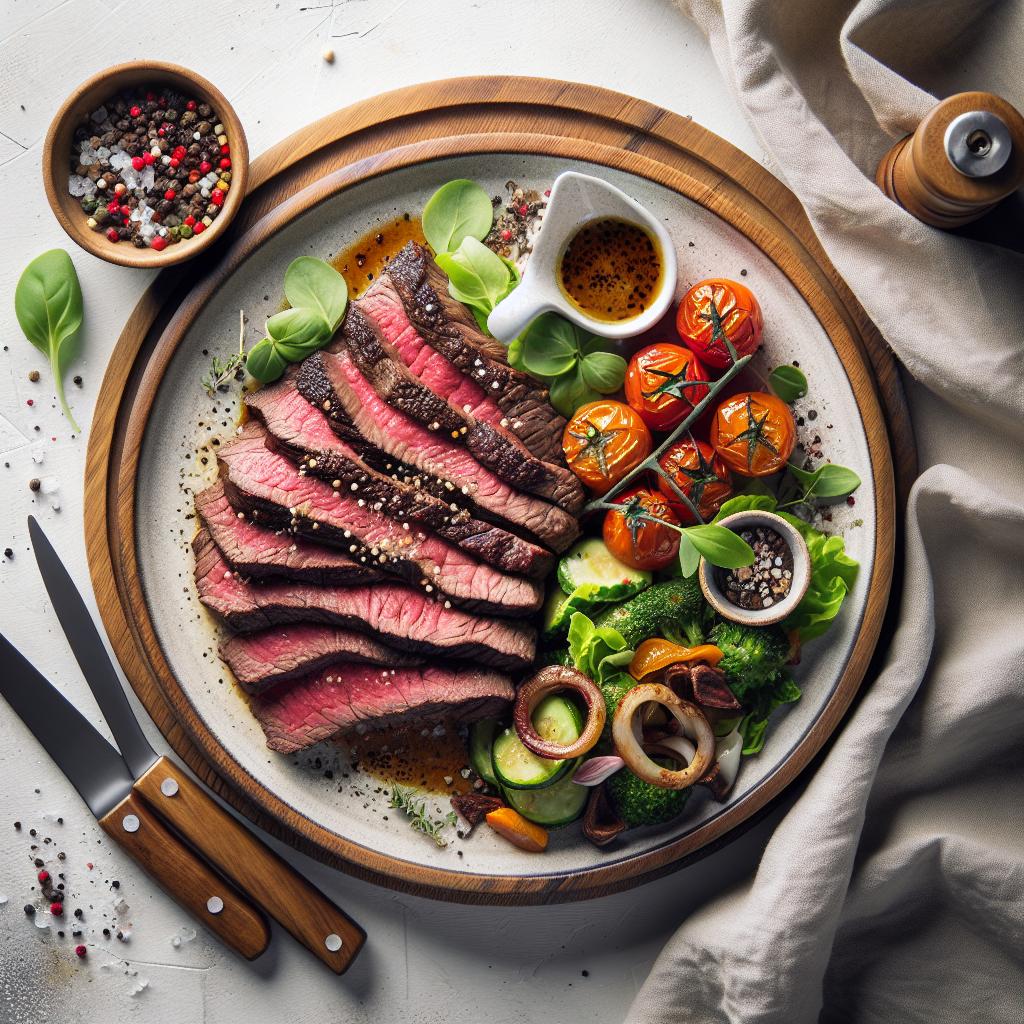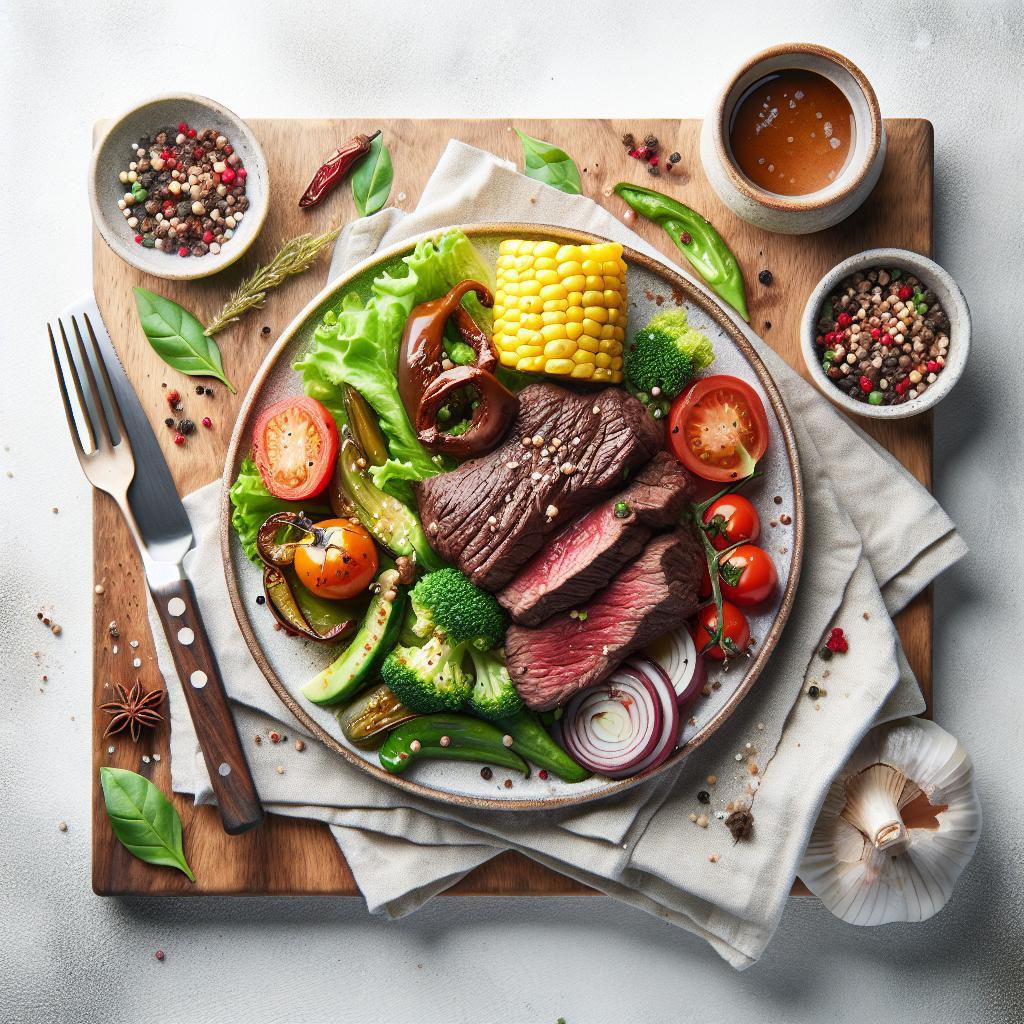

Beneath the well-trodden trails of steakhouse menus and sizzling backyard grills lies an often-overlooked treasure: the beef plate. This enigmatic section of the cow, tucked between the brisket and the flank, is a flavorful playground for chefs and home cooks alike, brimming with rich marbling and hearty textures. Unlocking the secrets of the beef plate means diving deep into a world of bold cuts, each with its own unique character and culinary potential. In this article, we’ll journey through the cuts, explore the flavor profiles, and reveal expert tips to transform this underrated beef section into the star of your next meal. Prepare to see the beef plate in a whole new light-where taste meets tradition, and every slice tells a story.
Unlocking the secrets of beef plate offers a fascinating dive into one of the most flavorful yet often underappreciated primal cuts of beef. This section reveals the intricate anatomy, rich flavor profiles, and versatile cooking methods that turn the beef plate into an irresistible centerpiece for any culinary adventure. With its hearty marbling and bold taste, the beef plate demands both respect and skill, making it a dream ingredient for chefs eager to elevate their dishes with robust, savory depth.
Prep and Cook Time
- Preparation: 15 minutes
- Cooking: 1 to 3 hours depending on technique
Yield
Serves 4-6 hearty portions
Difficulty Level
Medium – perfect for home cooks ready to embrace slow-cooking or precise butchery techniques
Ingredients
- 3 to 4 lbs beef plate cut (skirt steak, short ribs, or hanger steak), trimmed
- 2 tablespoons olive oil
- 1 tablespoon kosher salt
- 1 teaspoon freshly ground black pepper
- 4 garlic cloves, smashed
- 3 sprigs fresh thyme
- 1 cup beef broth (preferably homemade or low-sodium)
- 1 large onion, thinly sliced
- Optional: 1 teaspoon smoked paprika for extra depth
Instructions
- Prepare the beef plate: Begin by patting your beef plate cuts dry with paper towels to ensure even browning. Trim any excess silver skin or tough membranes carefully with a sharp boning knife.
- Season liberally: Generously coat both sides of the beef with kosher salt, black pepper, and optionally smoked paprika for an earthy accent. Let the meat rest at room temperature for 20 minutes. This allows seasoning to penetrate deeply.
- Heat the pan: In a large cast-iron skillet, warm the olive oil over medium-high heat until shimmering but not smoking. Add the beef plate cuts, searing each side for about 3-4 minutes to develop a gorgeous browned crust.
- Sauté aromatics: Push the beef to one side and add the sliced onion and smashed garlic cloves. Stir occasionally, cooking until onions soften and become translucent, about 5 minutes.
- Deglaze and braise: Pour in the beef broth, scraping the bottom of the pan to dissolve the flavorful fond. Nestle fresh thyme sprigs around the meat. Reduce heat to low and cover the pan with a tight-fitting lid.
- Slow-cook to perfection: Let the beef plate braise gently for 1.5 to 2 hours, turning once halfway through. Slow heat will break down connective tissue, resulting in tender, luscious meat bursting with flavor.
- Rest then slice: Remove beef from pan and tent loosely with foil for 10 minutes. Using a sharp knife, slice against the grain to retain tenderness-this step is crucial in mastering the art of cutting the beef plate.
- Plate and serve: Arrange slices over the braised onions and pan juices, garnished with fresh thyme leaves for an inviting presentation.
Chef’s Notes and Tips for Success
- Selecting the right cut: For best flavor and texture, seek out well-marbled beef plate cuts from trusted butchers or premium suppliers. Look for a bright red color and firm texture. Avoid cuts with excessive silver skin that can toughen the meat.
- Alternative cooking techniques: The beef plate also excels in slow smoking or BBQ grilling. Its fat content ensures juicy results with a smoky crust. For a quicker method, skirt steak can be marinated and grilled rapidly over high heat.
- Make-ahead tip: Braised beef plate improves in flavor when refrigerated overnight. Reheat gently in its juices on low heat to maintain moisture.
- Troubleshooting: If the beef feels tough after cooking, it may need longer braising time or slicing thinner against the grain. Patience is key for this cut.
Serving Suggestions
This beef plate preparation shines when paired with rustic sides-consider creamy garlic mashed potatoes, charred asparagus, or roasted root vegetables. Garnish the plate with fresh thyme sprigs, a drizzle of high-quality olive oil, or a sprinkle of coarse sea salt for that extra elegance. A side of tangy chimichurri or a smoky chipotle salsa verde can also enhance its rich flavor beautifully.

| Nutrient | Per Serving |
|---|---|
| Calories | 380 kcal |
| Protein | 42 g |
| Carbohydrates | 5 g |
| Fat | 22 g |
For more on cooking the diverse cuts of beef, explore our Complete Guide to Beef Cuts. To deepen your understanding of cooking techniques, the Serious Eats culinary resource offers outstanding expert insights.
Q&A
Q&A: Unlocking the Secrets of Beef Plate – Flavor and Cuts Explored
Q1: What exactly is the beef plate, and where does it come from on the cow?
A1: The beef plate is a flavorful section of the cow located in the lower midsection, just beneath the rib primal and in front of the flank. Known for its rich marbling and robust taste, the plate is a tough but juicy part that has long been celebrated for delivering deep, beefy flavors.
Q2: Why is the beef plate often overlooked compared to other cuts like ribeye or sirloin?
A2: While cuts like ribeye and sirloin are prized for their tenderness and ease of cooking, the beef plate is more fibrous and requires careful preparation to unlock its full potential. It doesn’t naturally tenderize as quickly, so it often gets overlooked by home cooks unfamiliar with its nuances.
Q3: What kinds of cuts can be derived from the beef plate?
A3: The beef plate gives us some of the most beloved cuts such as skirt steak, hanger steak, and short ribs. Each offers a unique texture and flavor profile: skirt steak is prized for its intense beefiness, hanger steak is tender with a bold taste, and short ribs provide a richly marbled, succulent bite.
Q4: What cooking methods best suit beef plate cuts to highlight their flavor and tenderness?
A4: Slow cooking methods such as braising or smoking work wonders on beef plate cuts, breaking down connective tissue and infusing the meat with deep, savory flavors. For thinner cuts like skirt or hanger steak, quick, high-heat grilling or searing ensures a beautifully caramelized crust while keeping the interior juicy.
Q5: How does the marbling in beef plate cuts affect their flavor?
A5: Marbling-the delicate streaks of fat interspersed within the muscle-melts during cooking, creating succulent tenderness and enhancing the meat’s rich, beefy character. The plate’s good marbling means that when cooked properly, these cuts punch above their weight in taste and juiciness.
Q6: Are beef plate cuts versatile in the kitchen, and can they be used in different cuisines?
A6: Absolutely. Beef plate cuts are superstar ingredients in a variety of culinary traditions. Skirt steak is iconic in Mexican fajitas, hanger steak is celebrated in French bistros, and short ribs take center stage in Korean barbecue. Their distinctive texture and flavor invite creative interpretations across cooking styles.
Q7: What should a consumer look for when selecting beef plate cuts at the butcher or market?
A7: Seek cuts that have a deep, rich red color with visible, even marbling-this indicates good quality and potential flavor. For skirt and hanger steak, avoid pieces that look dry or overly sinewy. And for short ribs, thicker, well-marbled slabs will yield the best tender, juicy results after slow cooking.
Q8: Can beef plate cuts be grilled or broiled without becoming tough?
A8: Yes! When preparing skirt or hanger steak, marinate them to help tenderize and add flavor, then cook quickly over high heat, aiming for medium rare to medium doneness. Overcooking will lead to toughness, so timing and temperature control are key to enjoying these cuts at their best.
Unlocking the secrets of the beef plate means appreciating its bold personality and treating it with the right technique-embracing both its flavors and textures for an unforgettable beef experience.
To Wrap It Up
As we peel back the layers of the beef plate, we uncover not just a cut of meat, but a world rich in flavor, texture, and culinary potential. From savory short ribs to tender skirt steak, this often-overlooked section of the cow holds the key to unforgettable meals. Whether you’re a seasoned chef or a curious home cook, understanding the nuances of beef plate cuts unlocks new avenues for creativity in the kitchen. So next time you’re exploring butcher’s offerings or planning your next feast, remember-the plate section is more than just a beguiling name. It’s where flavor meets versatility, waiting for you to carve out your own delicious story.