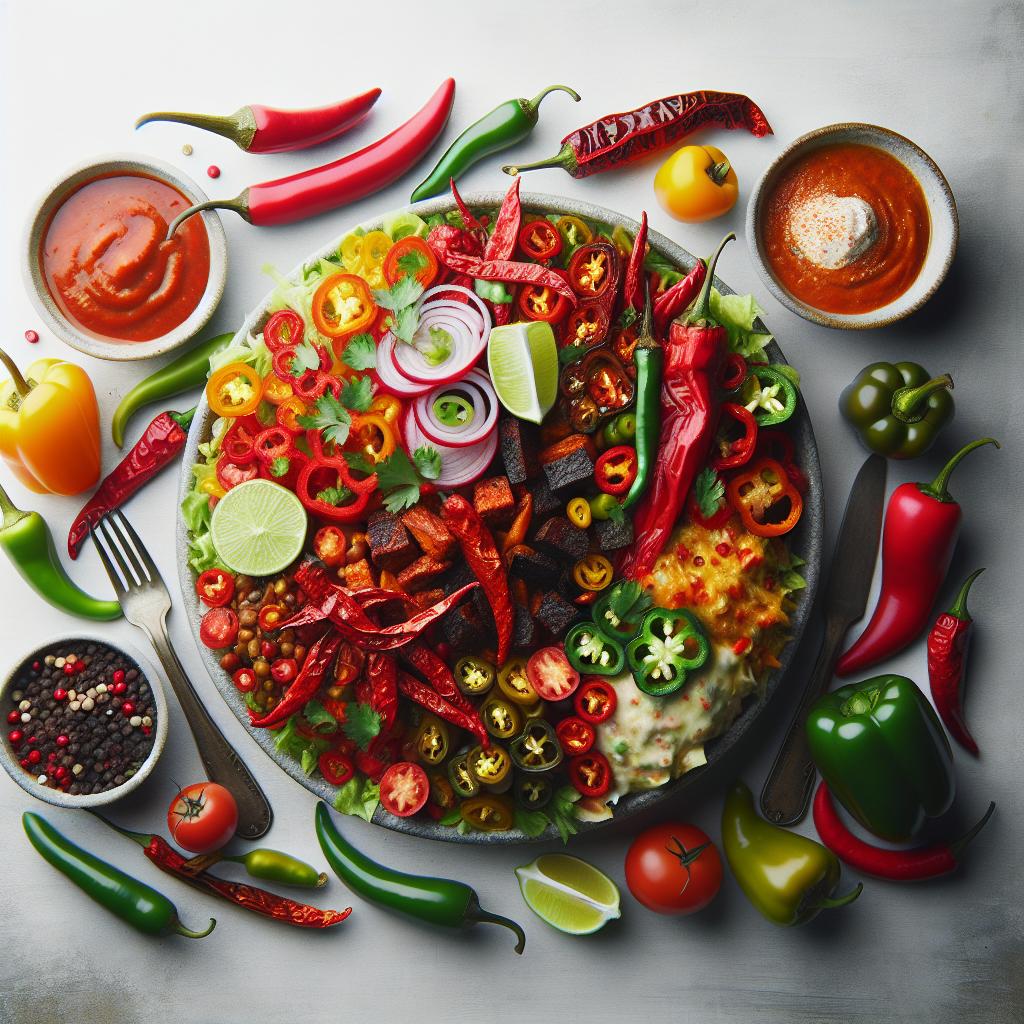

From the smoky whispers of chipotle to the vibrant zing of jalapeños, Mexican peppers are more than just ingredients-they are the fiery heartbeats of a culture steeped in tradition and flavor. In every salsa, stew, and sauce, these peppers bring a dynamic spectrum of heat and complexity that transforms ordinary dishes into unforgettable culinary adventures. Join us as we explore the vibrant world of Mexican peppers, uncovering their unique varieties, rich histories, and the bold flavors that ignite taste buds and celebrate the passionate spirit of Mexican cuisine.
Fiery Flavors: delving into the dazzling and diverse world of Mexican peppers is an adventure for every culinary enthusiast. From the gentle warmth of the Ancho chile to the electrifying heat of the Habanero, Mexican peppers bring depth, character, and a vivid palette of colors and aromas to authentic dishes. Whether you’re lighting up a smoky mole or crafting a vibrant salsa, understanding these peppers will ignite your kitchen creativity and elevate your meals.
Prep and Cook Time
Total Time: 35 minutes (Prep: 15 minutes | Cook: 20 minutes)
Yield
Serves 4 – perfect for sharing with family or friends who crave a flavorful kick.
Difficulty Level
Medium – approachable for home cooks ready to explore layered spice profiles.
Ingredients
- 3 Ancho dried peppers, seeded and stems removed
- 2 Guajillo dried peppers, seeded and stems removed
- 1 medium fresh Jalapeño pepper, sliced
- 1 small Habanero pepper, deseeded for less heat (optional)
- 1 large ripe tomato, chopped
- 1 small white onion, diced
- 2 garlic cloves, minced
- 1 tablespoon olive oil
- 1 teaspoon ground cumin
- ½ cup fresh cilantro, finely chopped
- Juice of 1 lime
- Salt to taste
- 1 cup vegetable broth
Instructions
- Rehydrate the dried peppers: Place the Ancho and Guajillo peppers in a heatproof bowl and cover them with hot water. Let soak for 15 minutes until soft and pliable.
- Prepare the pepper blend: Drain the soaked peppers and transfer them to a blender along with the fresh Jalapeño, optional Habanero (handle with care!), chopped tomato, garlic, and diced onion. Add vegetable broth for a smoother blend. Puree until silky smooth.
- Sauté the base: Warm olive oil in a saucepan over medium heat. Pour the blended pepper mixture in and cook for 5-7 minutes, stirring frequently, until the sauce thickens and the flavors deepen.
- Season: Sprinkle in ground cumin and salt. Stir well and simmer for another 5 minutes.
- Finish with freshness: Remove from heat and fold in chopped cilantro and lime juice for brightness and balance.
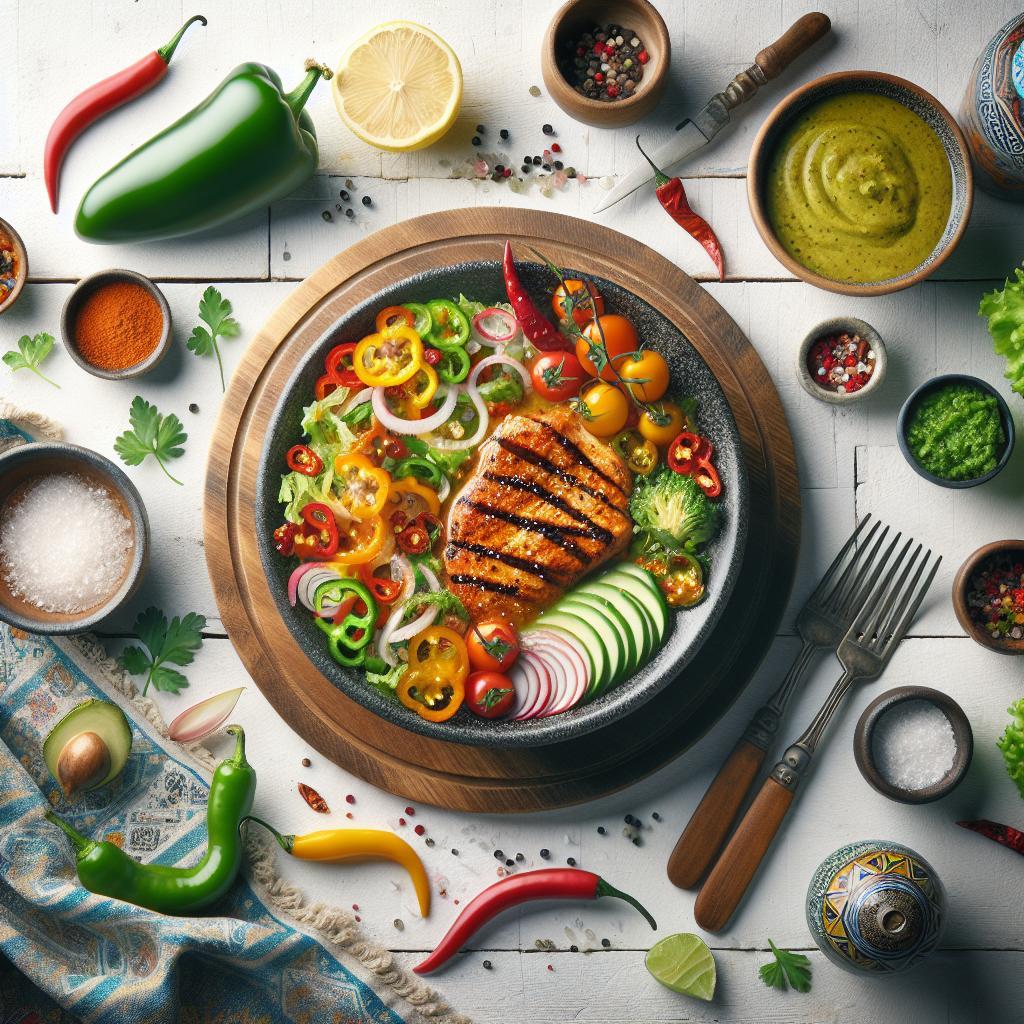
- Serve: Spoon generously over grilled vegetables, roasted chicken breast, or mixed into beans for a bold flavor burst.
Tips for Success
- Handle hot peppers with gloves to avoid irritation – especially Habaneros which can be intensely spicy.
- To mellow heat but keep flavor, remove seeds and membranes before blending.
- Rehydrating dried peppers slowly unlocks smoky, fruity undertones essential to authentic Mexican flavor.
- Make this sauce ahead and refrigerate for up to 3 days, allowing spices to mingle beautifully.
- Vary pepper proportions to tailor spice levels – try more Guajillo for fruity warmth or add extra Jalapeño for sharp crisp heat.
Serving Suggestions
This vibrant sauce is a versatile powerhouse. Drizzle it over roasted sweet potatoes for a colorful side, stir into rice for an elevated flair, or use it as a dipping sauce for fresh quesadillas. Garnish plates with extra fresh cilantro, lime wedges, and a dollop of cool crema or avocado slices to balance the heat perfectly.
Nutritional Information
| Nutrient | Per Serving |
|---|---|
| Calories | 85 |
| Protein | 2 g |
| Carbohydrates | 13 g |
| Fat | 3.5 g |
Explore more about the rich tradition of Mexican spices in our Authentic Mexican Spices Guide and dive deeper into pepper heat management at the Pepperscale Pepper Heat Chart.

Q&A
Q&A: Fiery Flavors – Exploring the Vibrant World of Mexican Peppers
Q1: What makes Mexican peppers so unique compared to other chili varieties?
A1: Mexican peppers are a dazzling tapestry of flavors, ranging from citrusy brightness to smoky depths and fruity sweetness. Their unique growing regions and traditional drying methods help develop complex profiles that are both fiery and flavorful, unlike many generic chilies that focus solely on heat.
Q2: Which Mexican peppers are essential for someone new to cooking with chiles?
A2: For beginners, start with poblano and ancho peppers. Poblanos offer a mild, earthy heat perfect for roasting or stuffing, while dried anchos bring a rich, raisin-like sweetness with a gentle kick. As confidence grows, exploring serranos and chipotles adds vibrant heat and smoky notes.
Q3: How do drying and roasting techniques affect the flavor of Mexican peppers?
A3: Drying intensifies the heat and concentrates sugars, turning fresh peppers into flavor bombs like guajillo or pasilla. Roasting adds smoky char and deepens complexity by caramelizing natural sugars. Both methods transform the peppers, elevating dishes with layers of bold taste.
Q4: Can you explain the cultural significance of peppers in Mexican cuisine?
A4: Peppers are much more than just ingredients; they’re cultural icons in Mexican gastronomy. They feature in rituals, regional recipes, and festivals, symbolizing the fiery spirit and zest of Mexican heritage. From mole sauces to street tacos, chiles highlight community stories and culinary creativity.
Q5: Which dishes best showcase the versatility of Mexican peppers?
A5: Mexican peppers shine in a wide array of dishes – from the smoky warmth of chipotle in salsas to the mild heat of rajas poblanas in creamy sauces. Mole negro combines multiple dried peppers to create unforgettable richness, while fresh serrano or jalapeño slices offer a crisp bite in ceviches and salsas.
Q6: How can one balance heat and flavor when cooking with Mexican peppers?
A6: Balance comes from respecting each pepper’s heat level and pairing it thoughtfully with ingredients like lime, tomato, garlic, or fresh herbs. Adding creamy elements like avocado or queso fresco can mellow intensity, while layering peppers with different heat profiles adds depth without overwhelming the palate.
Q7: What are some tips for safely handling and cooking with hot Mexican peppers?
A7: Always wear gloves when handling fiery peppers to avoid skin irritation. Avoid touching your face and eyes, and wash hands thoroughly afterward. Cooking peppers-whether roasting or simmering-can mellow their heat, so start small and adjust to taste gradually for a perfect spicy harmony.
Q8: Are there regional differences in how Mexican peppers are used?
A8: Absolutely! Northern Mexico often prefers bold, smoky chilies like chipotle, while southern regions favor fresher, sharper peppers like habanero. Coastal areas incorporate bright, tangy peppers into seafood dishes, illustrating how geography shapes the fiery personality of each region’s cuisine.
Q9: How do Mexican peppers contribute to the health benefits of the cuisine?
A9: Beyond flavor, Mexican peppers are nutritional powerhouses! Rich in vitamins A and C, antioxidants, and capsaicin, they boost metabolism, improve circulation, and lend anti-inflammatory properties. Enjoying them in traditional dishes combines zest with wholesome nourishment.
Q10: What’s the best way to experiment with Mexican peppers at home without overwhelming your taste buds?
A10: Start with small amounts, adding peppers incrementally while tasting as you go. Try simple preparations like roasted poblano strips or a mild salsa verde before moving to hotter varieties. Pairing peppers with cooling accompaniments like lime and cilantro can ease the transition as your palate adjusts.
To Conclude
As we close this fiery journey through the vibrant world of Mexican peppers, it’s clear that these small but mighty fruits hold far more than just heat. They are the colorful heartbeats of Mexico’s rich culinary tapestry, each pepper telling a story of climate, culture, and tradition. From the smoky depth of chipotles to the bright zing of jalapeños, Mexican peppers invite us to explore bold flavors and embrace culinary adventures that ignite the senses. So next time you reach for a dash of heat, remember-you’re not just adding spice; you’re savoring centuries of vibrant history and fiery passion. The world of Mexican peppers awaits, ready to spark your next flavorful creation.