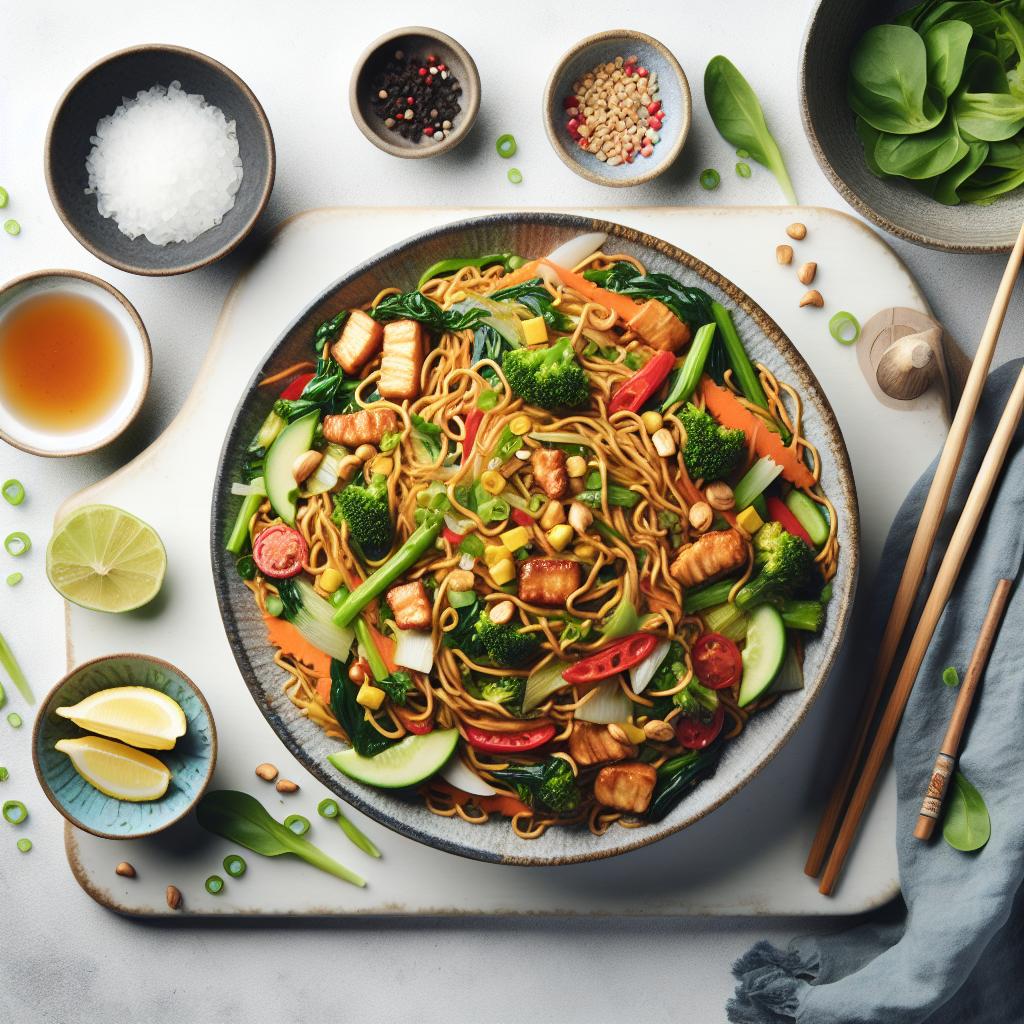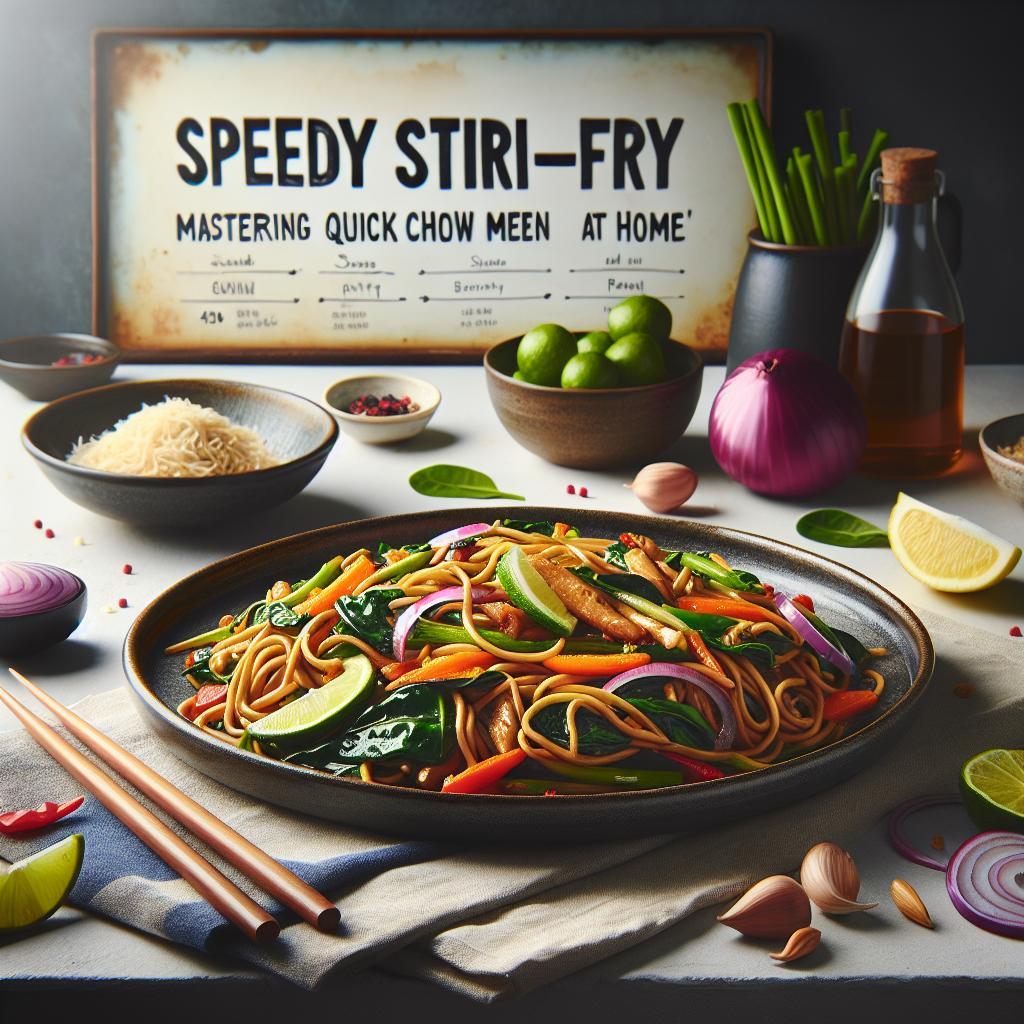

In the fast-paced rhythm of modern life, finding time to savor a homemade meal can feel like a luxury. Enter the speedy stir-fry-a sizzling symphony of flavors and textures that comes together in mere minutes. Among these quick culinary feats, chow mein stands out as a beloved classic, transforming simple ingredients into a satisfying, crunchy delight. Whether you’re a kitchen novice or a seasoned cook looking to streamline dinner, mastering quick chow mein at home unlocks a world of vibrant taste without the wait. Let’s dive into the art of speedy stir-fry and discover how to whip up this iconic dish with ease, flavor, and flair.
Speedy Stir-Fry: Mastering Quick Chow Mein at Home
If you crave a dish that bursts with vibrant flavors and textures yet can be whipped up in a flash, Speedy Stir-Fry: Mastering Quick Chow Mein at Home is your ultimate culinary companion. Originating from the bustling street food stalls of China, chow mein embodies a joyous harmony of crisp noodles, fresh vegetables, and savory sauces that come together in an electrifying stir-fry. My first bite of authentic chow mein sparked a lifelong passion for recreating that quick yet unforgettable taste sensation in my very own kitchen.
Prep and Cook Time
- Prep Time: 15 minutes
- Cook Time: 10 minutes
Yield
Serves 4 generously
Difficulty Level
Easy to Medium – perfect for weeknight wonders or culinary adventurers alike
Ingredients
- 8 oz fresh chow mein noodles (or dried, cooked and drained)
- 2 tbsp vegetable oil (preferably peanut or canola for high smoke point)
- 1 cup shredded napa cabbage
- 1/2 cup julienned carrots
- 1/2 cup sliced bell peppers (mixed colors)
- 3 cloves garlic, minced
- 1-inch piece fresh ginger, grated
- 1/2 cup sliced shiitake mushrooms
- 1 scallion, thinly sliced
- 200g chicken breast or firm tofu, thinly sliced
- 3 tbsp light soy sauce
- 1 tbsp oyster sauce alternative (vegetarian if preferred)
- 1 tsp sesame oil
- 1/2 tsp white pepper
- 1 tsp sugar
- Optional: 1 tbsp chili garlic sauce for a spicy kick
Instructions
- Prepare the noodles: If using dried noodles, boil according to package instructions until al dente. Drain and rinse under cold water to stop cooking; toss lightly with a teaspoon of oil to prevent sticking. Fresh noodles can be gently separated by hand.
- Heat your wok or skillet: Set over high heat and pour in the vegetable oil. Allow it to shimmer but not smoke. This high heat is crucial for that coveted wok hei or “breath of the wok.”
- Add protein: Toss in the sliced chicken or tofu. Stir-fry vigorously until just cooked through and golden edges form, approximately 3-4 minutes. Remove and set aside.
- Sauté aromatics and vegetables: Add garlic, ginger, and white parts of the scallions to the wok, stirring until fragrant, about 30 seconds. Toss in mushrooms, cabbage, carrots, and bell peppers. Stir-fry until tender-crisp, 2-3 minutes, maintaining a lively toss to preserve texture and color.
- Combine the noodles and sauce: Return the protein to the wok along with noodles. Pour the light soy sauce, oyster sauce alternative, sesame oil, sugar, and white pepper. Stir everything briskly to coat the noodles evenly, about 2 minutes. Adjust seasoning to taste and add chili garlic sauce for heat if desired.
- Finish and garnish: Toss in the green parts of the scallions off heat to maintain their freshness. Serve immediately for the best texture and flavor.
Tips for Success: Expert Techniques and Customization
- Lightning-fast stir-frying: Pre-cut all ingredients and have sauces measured before you start-this mise en place keeps the cooking flow seamless and prevents overcooking delicate veggies.
- Protein swaps: For a pescatarian twist, try shrimp or firm white fish. Tofu lovers, press your tofu firmly to remove excess moisture for a crispier bite.
- Vegetable variations: Snow peas, bean sprouts, or bok choy all work beautifully and bring contrasting textures.
- Sauce balance: Taste as you go. Adjust soy and sweetness to your palate. A splash of rice vinegar or a squeeze of lime can add fresh brightness.
- Make-ahead tips: Cook noodles a day prior and keep refrigerated with a drizzle of oil. This shortcut reduces cooking time and enhances the noodle texture when stir-fried.
- Wok vs. skillet: A well-seasoned wok offers authentic flavor and heat distribution, but a heavy skillet or nonstick pan also delivers excellent results.
Serving Suggestions
Present your vibrant quick chow mein garnished with a sprinkle of toasted sesame seeds and freshly chopped cilantro or additional scallions for color and freshness. Pair with steamed dumplings or a refreshing cucumber salad to offset the savory richness. For an indulgent finish, drizzle a little toasted chili oil atop each serving. A light jasmine or green tea makes an ideal beverage companion, balancing the bold, umami-packed flavors on the plate.
| Nutrition (per serving) | Amount |
|---|---|
| Calories | 320 kcal |
| Protein | 24 g |
| Carbohydrates | 38 g |
| Fat | 8 g |
Explore other speedy stir-fry recipes for a meat-free feast. For deeper insight on the science behind wok cooking, visit Serious Eats.

Q&A
Q&A: Speedy Stir-Fry – Mastering Quick Chow Mein at Home
Q1: What makes chow mein such a quick dish to prepare?
A1: Chow mein thrives on speed because it combines high-heat stir-frying with ingredients that cook rapidly. Thin noodles, pre-cut veggies, and thinly sliced proteins ensure everything comes together in mere minutes, making it a perfect choice for a fast, flavorful meal.
Q2: How can I ensure my chow mein noodles don’t clump together?
A2: To keep noodles perfectly separated, rinse them in cold water after boiling to remove excess starch. Toss them lightly with a bit of oil before stir-frying to create a smooth, slick surface that prevents sticking and encourages even flavor coating.
Q3: What are some quick protein options for a speedy chow mein?
A3: Opt for thinly sliced chicken breast, firm tofu cubes, shrimp, or beef strips. These proteins cook quickly and absorb the sauce beautifully, ensuring each bite bursts with savory goodness without any extended prep time.
Q4: How do I balance flavors in my homemade chow mein sauce?
A4: A classic chow mein sauce achieves harmony by blending salty soy sauce, aromatic garlic and ginger, a hint of sweetness (try honey or hoisin), and a touch of acidity such as rice vinegar. Adjust ratios to your taste, aiming for a sauce that’s bright, savory, and luscious.
Q5: Can I make chow mein vegetarian without losing depth of flavor?
A5: Absolutely! Using a mixture of mushrooms, snap peas, carrots, and bell peppers adds texture and earthiness. Incorporate umami-rich ingredients like shiitake mushrooms and a splash of soy or tamari sauce. Toasted sesame oil and fresh green onions help pack a punch of flavor that’s rich and satisfying.
Q6: What’s the secret to achieving that perfect “wok hei” or breath of the wok?
A6: “Wok hei” comes from cooking over very high heat with quick, continual stirring. Preheat your wok or pan until it’s scorching hot before adding oil and ingredients. It’s this intense, fast sear that imparts a subtle smoky flavor and irresistible caramelization integral to authentic stir-fries.
Q7: Can I prepare ingredients ahead of time for an even faster stir-fry?
A7: Yes! Chop vegetables, slice proteins, and mix your sauce in advance. Store them separately in airtight containers in the fridge. When it’s chow mein o’clock, simply toss everything into your hot wok for seconds-to-serve freshness and convenience.
Q8: How do I prevent my vegetables from becoming soggy?
A8: High heat and quick cooking are key. Stir-fry veggies quickly so they remain crisp-tender, preserving texture and nutrients. Also, cut veggies into uniform sizes and add those with longer cooking times first, finishing with delicate ones like bean sprouts or scallions right at the end.
Q9: What noodles work best for quick chow mein?
A9: Fresh or dried egg noodles and thin wheat-based chow mein noodles work brilliantly. They cook fast and have just the right chew to soak up sauce without becoming mushy. Rice noodles are an option too, especially for gluten-free variations.
Q10: How can I make my chow mein more colorful and appealing?
A10: Use a rainbow of vegetables-vibrant red bell peppers, deep green snow peas, brilliant orange carrots, and bright shredded cabbage. Finish with a sprinkle of toasted sesame seeds or chopped fresh herbs like cilantro to add a fresh pop of color and crunch.
Mastering speedy chow mein at home means you can enjoy a restaurant-quality stir-fry in under 20 minutes. Armed with these tips, you’ll be tossing and twirling noodles with confidence and flair!
Wrapping Up
In the fast-paced rhythm of daily life, mastering the art of quick chow mein transforms your kitchen into a haven of vibrant flavors and effortless efficiency. With just a few simple ingredients and nimble hands, you’ve unlocked the secret to a speedy stir-fry that doesn’t sacrifice taste for time. So next time the clock is ticking and hunger is calling, remember: a delicious, homemade chow mein is never out of reach. Embrace the sizzle, the crunch, and the colorful melody of this timeless dish-your speedy stir-fry adventure awaits!