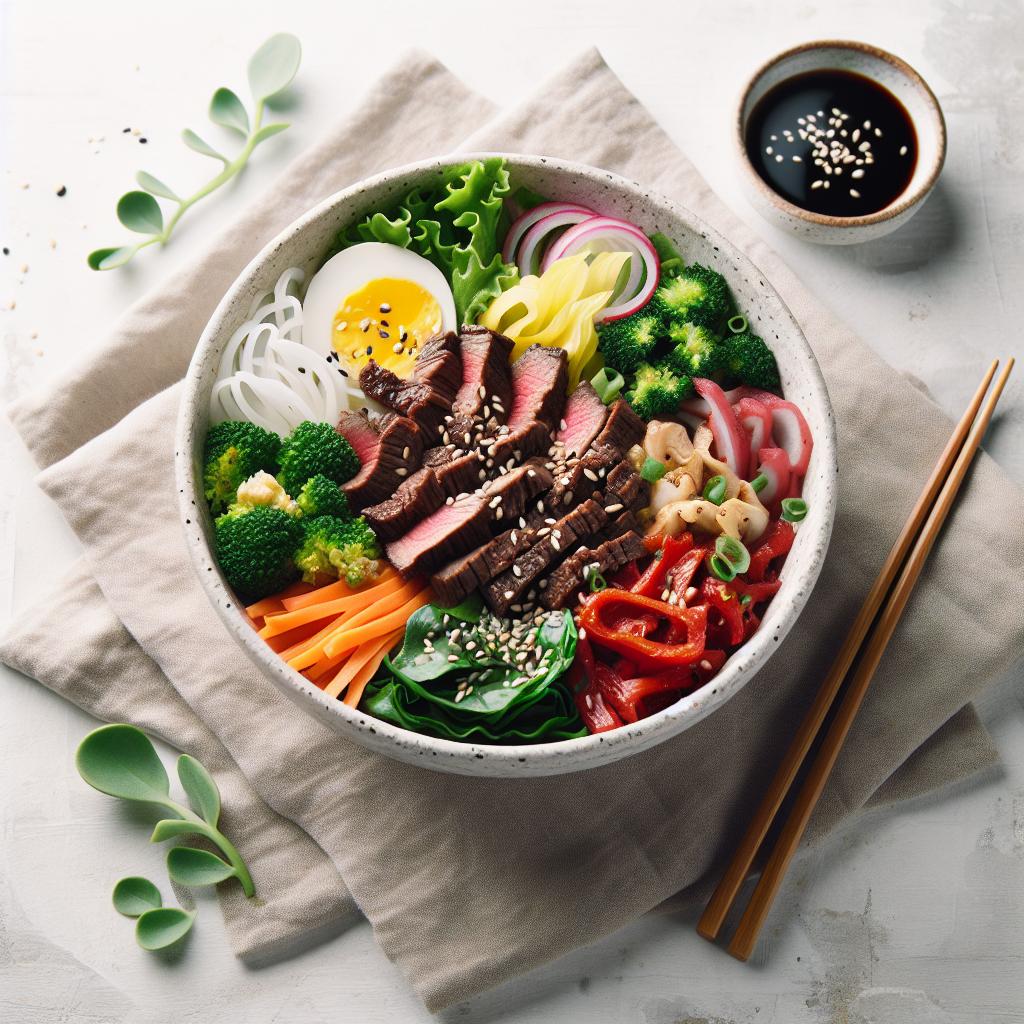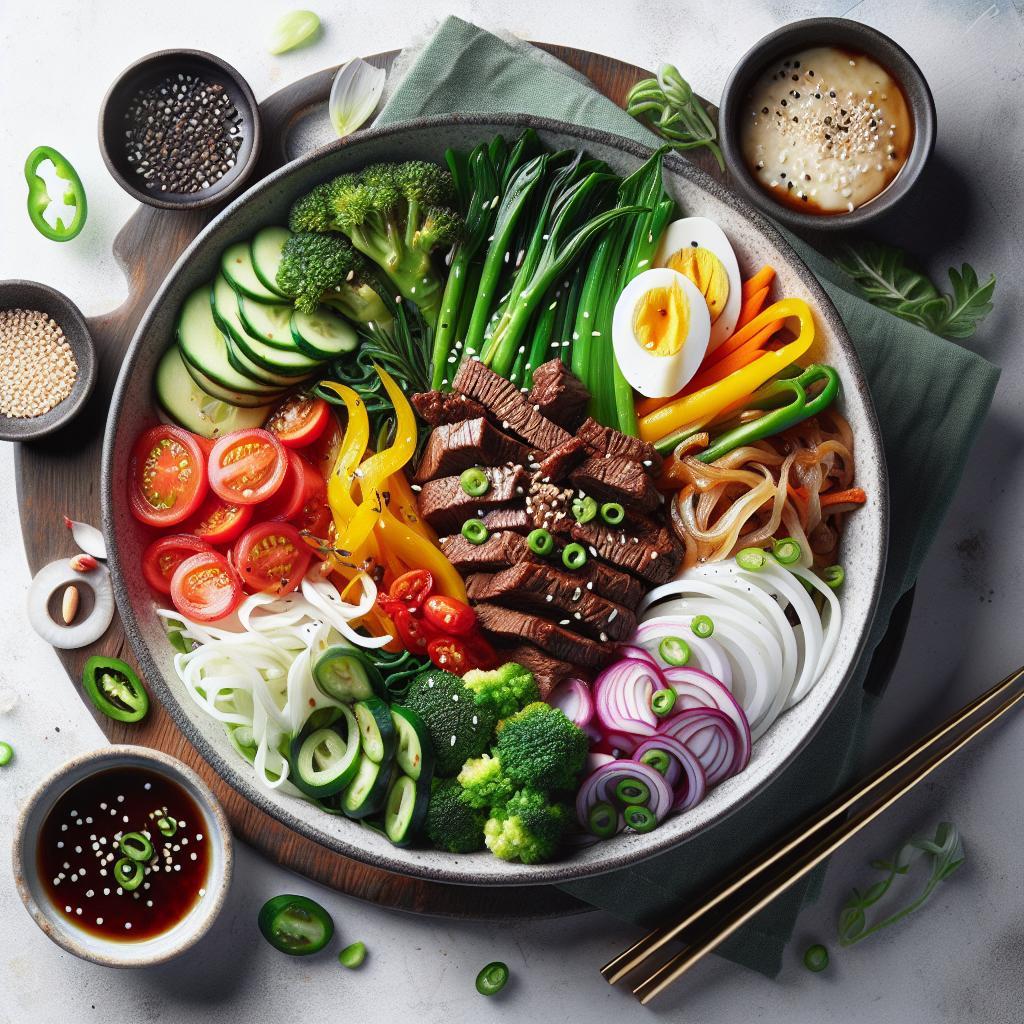

In the vibrant world of culinary delights, few dishes capture the soul of a culture quite like the humble beef bowl. But when it comes to Korean cuisine, this seemingly simple meal transforms into a symphony of rich, bold flavors that dance on your palate with every bite. “Savor the Flavor: A Guide to Authentic Korean Beef Bowls” invites you to dive deep into the heart of Korea’s culinary heritage. From the sizzling marinated bulgogi to the perfectly steamed rice and the subtle crunch of fresh vegetables, this guide unravels the secrets behind crafting a beef bowl that’s as genuine as it is delicious. Whether you’re a seasoned foodie or a curious newcomer, prepare to embark on a flavorful journey that celebrates tradition, technique, and the magic of Korean cooking.
Savor the flavor of an authentic Korean beef bowl begins with careful attention to each element that brings this dish alive, delivering a symphony of textures and tastes that celebrate Korean culinary tradition. From selecting the perfect cut of beef to the meticulous balance of a rich marinade, every detail crafts a deeply satisfying meal that’s both comforting and vibrant. This delightful bowl’s magic lies in its harmony-tender meat paired with a fragrant rice base and crowned by crisp, colorful toppings that awaken the senses.
Prep and Cook Time
- Preparation: 20 minutes
- Marination: 1 to 2 hours (or overnight for best flavor)
- Cooking: 10-15 minutes
- Total Time: Approximately 1 hour 40 minutes (including marination)
Yield
Serves 4 hearty portions
Difficulty Level
Medium – approachable for home cooks with a passion for layering flavors
Ingredients
- 1 lb (450g) thinly sliced beef sirloin or ribeye (well-marbled for tenderness)
- 1/4 cup soy sauce (use naturally brewed for depth)
- 2 tbsp brown sugar or coconut sugar
- 1 tbsp toasted sesame oil
- 3 cloves garlic, finely minced
- 1 tbsp freshly grated ginger
- 2 tsp gochujang (Korean chili paste, adjust to taste)
- 1 small Asian pear, grated (optional, for natural sweetness and tenderizing)
- 2 green onions, thinly sliced
- 1 tsp black pepper, freshly ground
- 2 cups short-grain sushi or jasmine rice
- 1 tsp salt, for rice cooking
- 1 cup kimchi, chopped (for serving)
- Sesame seeds, toasted
- Fresh cucumber ribbons or julienned carrots
- 1 fried egg per bowl (optional but highly recommended)
Instructions
- Prepare the marinade: In a medium bowl, whisk together soy sauce, brown sugar, sesame oil, garlic, ginger, gochujang, grated Asian pear, green onions, and black pepper until sugar dissolves completely.
- Marinate the beef: Add the thinly sliced beef to the marinade, ensuring all slices are coated evenly. Cover tightly and refrigerate for 1 to 2 hours-or overnight for a deeply infused flavor and increased tenderness.
- Cook the rice: Rinse rice under cold water until the water runs clear to remove excess starch. Combine rinsed rice with 2½ cups water and 1 tsp salt in a pot or rice cooker. Cook according to your device’s instructions until tender and fluffy.
- Sauté the beef: Heat a large nonstick skillet or wok over medium-high heat. Add marinated beef in a single layer, avoiding overcrowding (cook in batches if needed). Sauté until the edges caramelize and the meat is cooked through, about 3-5 minutes, stirring occasionally to prevent sticking.
- Prepare toppings: While the beef cooks, prepare cucumber ribbons and julienned carrots. Toast sesame seeds lightly in a dry pan until fragrant, about 1-2 minutes.
- Assemble the bowls: Divide cooked rice evenly among bowls. Top generously with the sautéed beef, a spoonful of chopped kimchi, fresh vegetables, and a fried egg perched on top if desired.
- Finish and garnish: Sprinkle the bowls with toasted sesame seeds and extra chopped green onions. Serve immediately for an irresistible blend of warm, tangy, crunchy, and spicy bites.
Tips for Success
- For the tenderest slices, choose ribeye or sirloin with good marbling. These cuts offer rich flavor and melt-in-your-mouth texture.
- Overnight marination is a game-changer; it allows the Asian pear and ginger to naturally tenderize the meat and deepen umami layers.
- Don’t skip rinsing the rice-it’s essential for a light and fluffy texture that balances the tender beef perfectly.
- Cook beef in batches if your pan is small; crowded meat steams rather than sears, resulting in a less savory bite.
- Experiment with garnishes such as gim (Korean roasted seaweed) or pickled radish for authentic textures.
- Make extra marinade and reserve half before adding raw beef to drizzle on finished bowls as a finishing sauce.
Serving Suggestions
Present your Korean beef bowl in vibrant, shallow bowls to highlight the colorful array of ingredients. Arrange toppings artistically: nestle sliced cucumbers alongside the beef, fork a spoonful of tart kimchi over the rice, and crown the creation with a sunny fried egg to marry flavors with silky richness. For a finishing touch, sprinkle toasted sesame seeds and a handful of microgreens or fresh cilantro leaves. Serve with a side of Korean-style pickled vegetables or a crisp seaweed salad to add refreshing brightness.
| Nutrient | Per Serving |
|---|---|
| Calories | 480 kcal |
| Protein | 35 g |
| Carbohydrates | 45 g |
| Fat | 15 g |

For a deeper dive into Korean culinary customs and regional variations, explore this official Korean culture portal. And to compliment your meal, check out our guide on Easy Korean Banchan Recipes for traditional side dishes that amplify every bite.
Q&A
Q&A: Savor the Flavor – A Guide to Authentic Korean Beef Bowls
Q1: What makes Korean beef bowls uniquely delicious compared to other beef dishes?
A1: Korean beef bowls derive their distinct appeal from a harmonious blend of bold, savory, and slightly sweet flavors. The marriage of marinated beef with garlic, ginger, sesame oil, and a touch of brown sugar creates a rich umami experience. Combined with fresh vegetables and steamed rice, each bowl offers a perfect balance of textures and tastes that highlight Korea’s culinary artistry.
Q2: Which cut of beef is best suited for authentic Korean beef bowls?
A2: Thinly sliced cuts such as ribeye, sirloin, or brisket are ideal because they cook quickly and absorb marinades exceptionally well. The thin slices ensure tenderness while allowing the rich flavors of the sauce to permeate every bite.
Q3: How important is the marinade in crafting an authentic Korean beef bowl?
A3: The marinade is the heart and soul of an authentic beef bowl. It typically includes soy sauce, sesame oil, minced garlic, ginger, sugar or honey, and sometimes a splash of rice water or pear juice for natural sweetness and tenderizing qualities. This marinade not only infuses the meat with flavor but also brings a distinctive Korean flair to the dish.
Q4: Can you explain the role of vegetables and garnishes in these beef bowls?
A4: Vegetables add freshness and textural contrast to the tender beef. Common additions like julienned carrots, sautéed spinach, bean sprouts, or kimchi contribute vibrant color and complementary flavors. Garnishes such as toasted sesame seeds and sliced green onions provide an extra layer of aroma and crunch, elevating the sensory experience.
Q5: What cooking techniques should I use to make the beef tender and flavorful?
A5: Quick stir-frying over high heat is key. This technique caramelizes the sugars in the marinade while sealing in juices, resulting in tender, flavorful meat with a slight char. Avoid overcooking, as the thin slices can dry out rapidly-aim for just a few minutes on the flame.
Q6: Are there regional variations of Korean beef bowls I should explore?
A6: Absolutely! While the classic beef bowl often centers on bulgogi-style marinated beef, regions might introduce local twists-like adding spicy gochujang paste for heat or incorporating seasonal vegetables. Exploring these nuances offers a deeper appreciation of Korea’s diverse culinary landscape.
Q7: What kind of rice pairs best with Korean beef bowls?
A7: Short-grain white rice is the traditional choice, prized for its sticky texture that helps scoop up every bit of sauce. However, some enjoy mixing in a bit of multigrain rice or brown rice for added nutritional value and a nuttier bite, though the classic remains tender, fluffy white rice.
Q8: How can I recreate the authentic flavors at home without specialty Korean ingredients?
A8: Focus on balancing the core flavors-salty, sweet, nutty, and aromatic. Soy sauce, garlic, ginger, sesame oil, and a sweetener like honey or brown sugar form the backbone. Even if you can’t find Korean staples like pear juice or gochujang, these substitutions allow you to capture the essence and create a satisfying bowl.
Q9: What are some simple side dishes to complement Korean beef bowls?
A9: Light, refreshing sides work best-think crisp cucumber salad, kimchi (fermented spicy cabbage), or pickled radish. These help cleanse the palate and add contrasting textures, making your meal well-rounded and vibrant.
Q10: Is a Korean beef bowl suitable for a quick weeknight dinner?
A10: Definitely! Korean beef bowls are a wonderful option for busy evenings since the marinade can be made ahead, and the actual cooking is lightning-fast. With just a few ingredients and minimal prep, you can enjoy an authentic, restaurant-quality meal in under 30 minutes.
The Way Forward
As the final grain of rice is savored and the rich, savory notes of marinated beef linger on your palate, it’s clear that an authentic Korean beef bowl is more than just a meal-it’s a journey into the heart of Korea’s vibrant culinary heritage. Whether you’re a seasoned foodie or a curious newcomer, this flavorful bowl invites you to explore the perfect harmony of spices, textures, and tradition. So next time you crave something both comforting and exciting, remember: the secret to a truly memorable dish lies in the authenticity of its flavors. Dive in, savor every bite, and let your taste buds embark on an unforgettable adventure through Korea’s beloved cuisine.