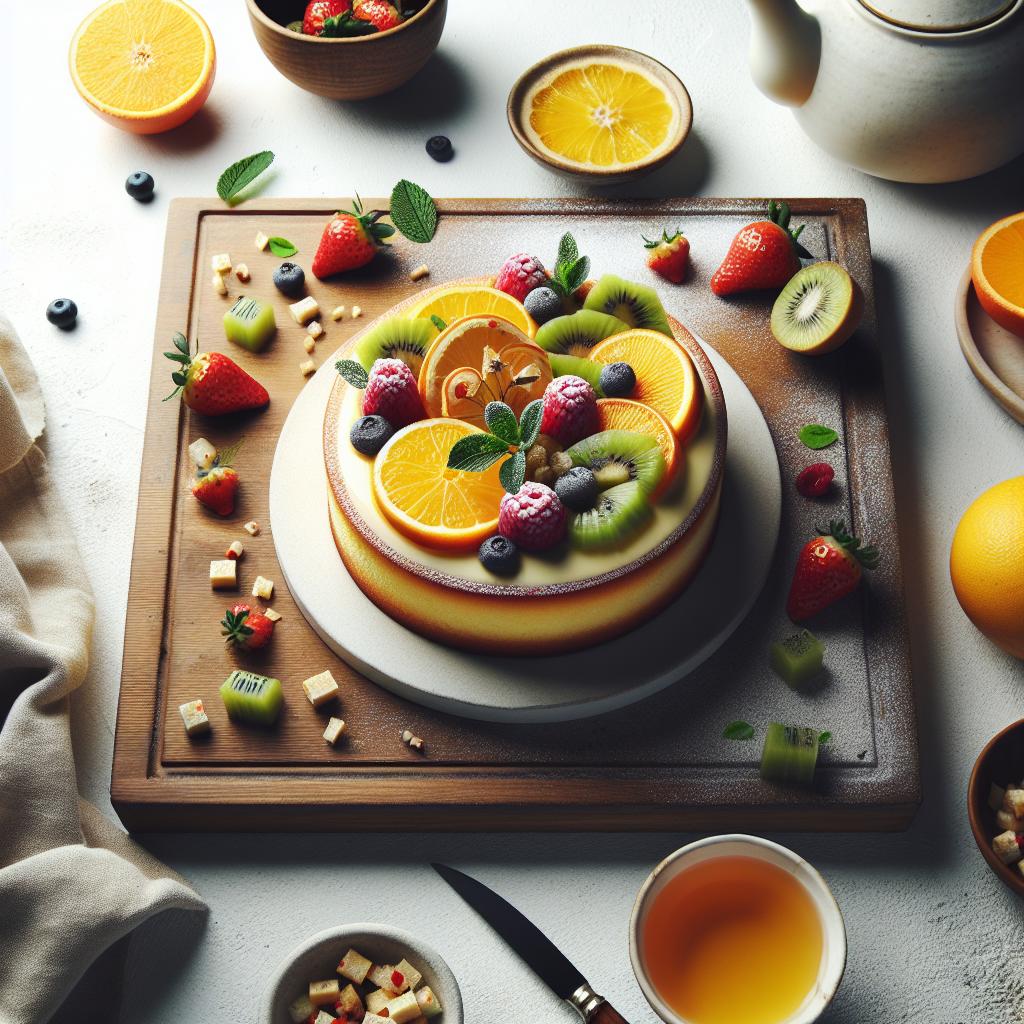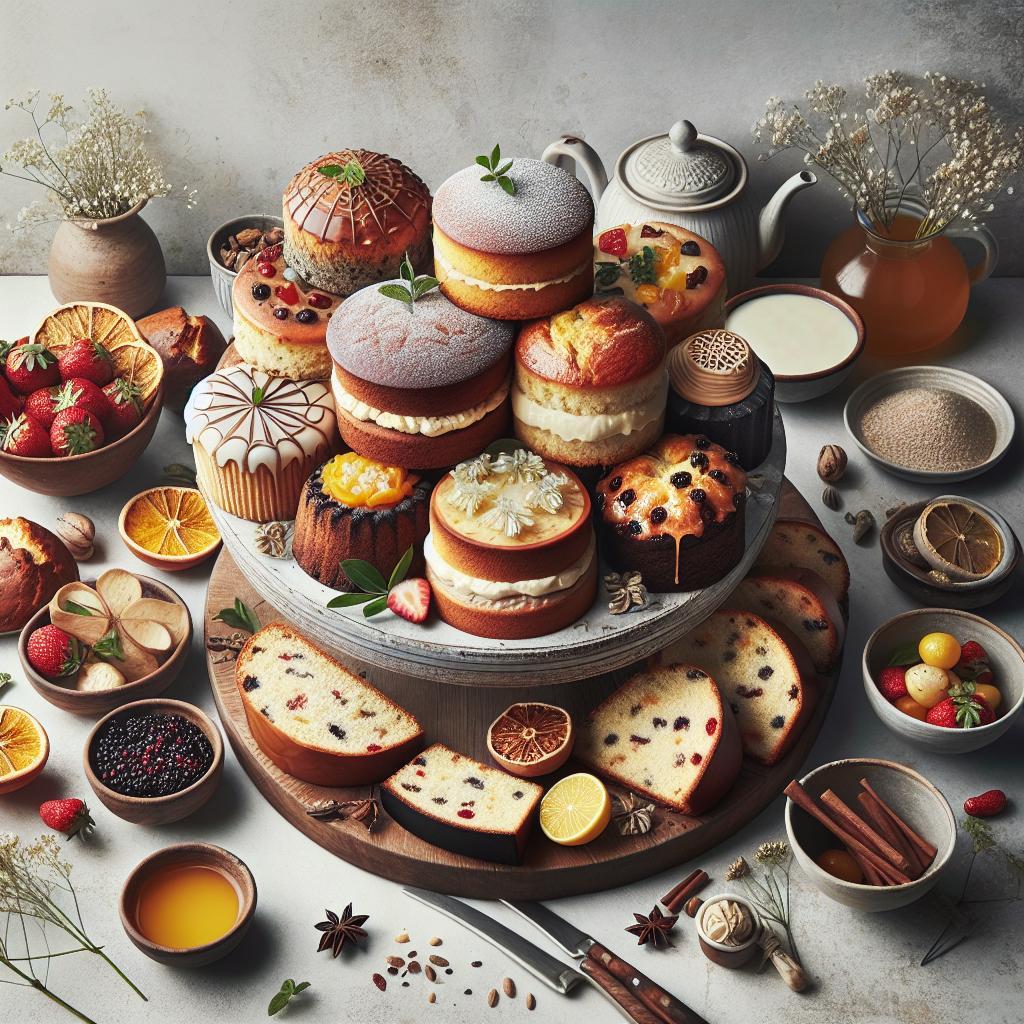

In an age where fast-paced trends often overshadow tradition, there remains a quiet charm in the simple pleasures of the past. Among these enduring delights stands the old-fashioned tea cake-a humble yet enchanting treat that has warmed hearts and inspired gatherings for generations. “Timeless Treats: Discovering Old Fashioned Tea Cakes Delight” invites you on a flavorful journey back to a period when baking was an art of patience and love. This article explores the rich history, classic recipes, and heartfelt moments that make tea cakes more than just a snack-they are a soulful connection to heritage, comfort, and the joy of sharing. Join us as we uncover the secret ingredients that have kept these tender cakes treasured through time.
Timeless Treats: Discovering Old Fashioned Tea Cakes Delight invites you into a world where each bite carries history, warmth, and the gentle hush of afternoon tea traditions. Rooted in centuries-old customs, these quaint cakes balance simplicity with indulgence-offering a crumb so tender it practically melts on your tongue. Originating in humble English countryside kitchens, the classic tea cake has travelled through generations, evolving into a canvas for regional twists and nuanced flavors.
Prep and Cook Time
Preparation: 15 minutes
Cooking: 20 minutes
Total Time: 35 minutes
Yield
Yields 8 to 10 delightful tea cakes-perfect for sharing or savoring during a serene afternoon pause.
Difficulty Level
Easy to Medium – ideal for bakers looking to master authentic techniques with confidence and creative flair.
Ingredients
- 1 1/2 cups all-purpose flour, sifted
- 2 teaspoons baking powder
- 1/4 teaspoon fine sea salt
- 1/2 cup granulated sugar
- 1/4 cup unsalted butter, softened
- 1 large free-range egg, room temperature
- 1/2 cup whole milk, warmed
- 2 teaspoons pure vanilla extract
- Optional: Zest of one lemon or orange for a citrus twist
- Optional: 1/3 cup currants or raisins, soaked in warm water for 10 minutes and drained
Instructions
- Preheat your oven to 350°F (175°C). Prepare a baking sheet by lining it with parchment paper or a non-stick silicone mat.
- Whisk together the sifted flour, baking powder, and sea salt in a medium bowl. Set aside for layering flavors evenly.
- Cream the butter and sugar with an electric mixer or wooden spoon until light and fluffy-about 3-4 minutes. This aeration is key to tender crumb structure.
- Add the egg to the butter mixture, beating until fully incorporated and glossy. Scrape down the bowl sides as needed.
- Blend in the vanilla extract along with the warm milk slowly, alternating with the dry ingredients. Start and end with the flour mixture for balance. Mix just until combined-overmixing toughens the cake.
- If using citrus zest or soaked currants, gently fold them in now, dispersing evenly without crushing.
- Drop rounded spoonfuls of batter onto the prepared baking sheet, spacing 2 inches apart to allow spreading.
- Bake for 18-20 minutes, or until tops are golden and a toothpick inserted in the center comes out clean.
- Cool on the baking sheet for 5 minutes, then transfer carefully to a wire rack to cool completely. This prevents sogginess and maintains crisp edges.
Tips for Success
- Room temperature ingredients ensure seamless blending and a smooth batter.
- For a lighter crumb, gently fold the flour instead of stirring vigorously.
- Experiment with regional accents: Swap citrus zest for ground cardamom or cinnamon for a spiced charm reminiscent of Eastern European tea cakes.
- Make ahead: Store cooled tea cakes in an airtight container for up to 3 days, or freeze for up to 2 weeks. Warm briefly before serving to revive freshness.
- If currants aren’t at hand, mini chocolate chips or finely chopped nuts offer delightful texture contrasts.
Serving Suggestions
Present these old fashioned tea cakes alongside a delicate spread of clotted cream or homemade berry jam to amplify their simple elegance. Garnish with a sprig of fresh mint or a light dusting of powdered sugar for refined charm. Pair with a classic English Breakfast tea, a fragrant Earl Grey, or a subtle white tea to highlight the cake’s buttery sweetness. For tea lovers eager to explore more, our related guide on tea pairing provides excellent inspiration.
| Nutrient | Per Serving |
|---|---|
| Calories | 180 kcal |
| Protein | 3 g |
| Carbohydrates | 25 g |
| Fat | 7 g |

For a deeper historical perspective and refined techniques, explore the British Library’s culinary archives here.
Q&A
Q&A: Timeless Treats – Discovering Old Fashioned Tea Cakes Delight
Q1: What exactly are old fashioned tea cakes, and why are they called “timeless treats”?
A1: Old fashioned tea cakes are simple, lightly sweetened cakes often enjoyed alongside a cup of tea. Their charm lies in their nostalgic recipes passed down through generations-recipes that have stood the test of time, making them truly “timeless.” These treats evoke a comforting sense of tradition and warmth, bridging past and present in every bite.
Q2: How do old fashioned tea cakes differ from modern cupcakes or other cake varieties?
A2: Unlike the often elaborate and heavily frosted cupcakes of today, old fashioned tea cakes tend to be modest in decoration but rich in flavor and texture. They usually have a tender crumb, subtle sweetness, and sometimes a hint of vanilla, citrus, or spice. Their simplicity invites the natural flavors of fine ingredients to shine without overwhelming the palate.
Q3: What are some classic ingredients used in traditional tea cake recipes?
A3: Traditional tea cakes typically call for straightforward ingredients: butter, sugar, flour, eggs, baking powder, and milk or buttermilk. Natural flavor enhancers like vanilla extract, lemon zest, or ground spices such as cinnamon or nutmeg may be added for depth. These wholesome staples create a cake that’s both comforting and satisfying.
Q4: Can old fashioned tea cakes be adapted to suit modern dietary preferences?
A4: Absolutely! Many classic tea cake recipes can be tweaked to be gluten-free, dairy-free, or vegan without losing their essence. Using plant-based milks, natural sweeteners, or alternative flours can keep the nostalgic feel alive while accommodating today’s diverse dietary needs.
Q5: What makes tea cakes an ideal companion for afternoon tea rituals?
A5: Tea cakes complement the gentle aroma and flavor of brewed tea perfectly, creating a balanced experience. Their softness pairs well with the warmth and slight bitterness of tea, while their subtle sweetness refreshes the palate. This harmony makes tea cakes a beloved staple of relaxed, social tea times.
Q6: Are there any regional variations that add a unique twist to traditional tea cakes?
A6: Yes, regional recipes often introduce local flavors or techniques-for example, adding dried fruits like currants or raisins, incorporating nutmeg or cardamom, or brushing the cake with a light glaze made from citrus juices. These small variations enrich tea cakes with cultural flair without detracting from their timeless appeal.
Q7: How can one store old fashioned tea cakes to maintain their freshness?
A7: To keep tea cakes moist and flavorful, store them in an airtight container at room temperature for up to two days. For longer storage, wrap tightly and freeze; just thaw gently before serving. Proper storage preserves the delicate crumb that defines a delightful tea cake experience.
Q8: What is the best way to serve and enjoy old fashioned tea cakes?
A8: Serve them slightly warm or at room temperature alongside your favorite cup of tea. Pairing with a dollop of fresh cream, a dusting of powdered sugar, or a smear of fruit preserves can elevate the experience, though these cakes are perfectly enjoyable on their own.
Q9: Why do old fashioned tea cakes continue to captivate today’s bakers and tea lovers?
A9: Their allure lies in their simplicity and the memories they evoke. In a busy world, old fashioned tea cakes offer a moment of calm, connecting us to a gentler, slower-paced past. Their enduring popularity is a testament to the timeless pleasure of wholesome, lovingly made treats.
Q10: Can baking old fashioned tea cakes be a creative activity?
A10: Definitely! While the recipes are classic, bakers can experiment with flavors-infusing the batter with different spices, citrus twists, or subtly incorporating nuts and dried fruits. This blend of tradition and creativity allows everyone to craft a tea cake uniquely their own, keeping the timeless recipe fresh and exciting.
Future Outlook
As the last crumb of these timeless tea cakes melts away, we’re reminded that some delights never fade-they simply invite us to pause, savor, and connect with moments past. Rediscovering these old-fashioned treats is more than a culinary journey; it’s an invitation to relive the warmth of tradition in every bite. So whether you’re steeping a fresh pot of tea or sharing stories across the table, let the gentle sweetness of these cakes be a bridge between eras, reminding us that true comfort is often found in the simplest pleasures.