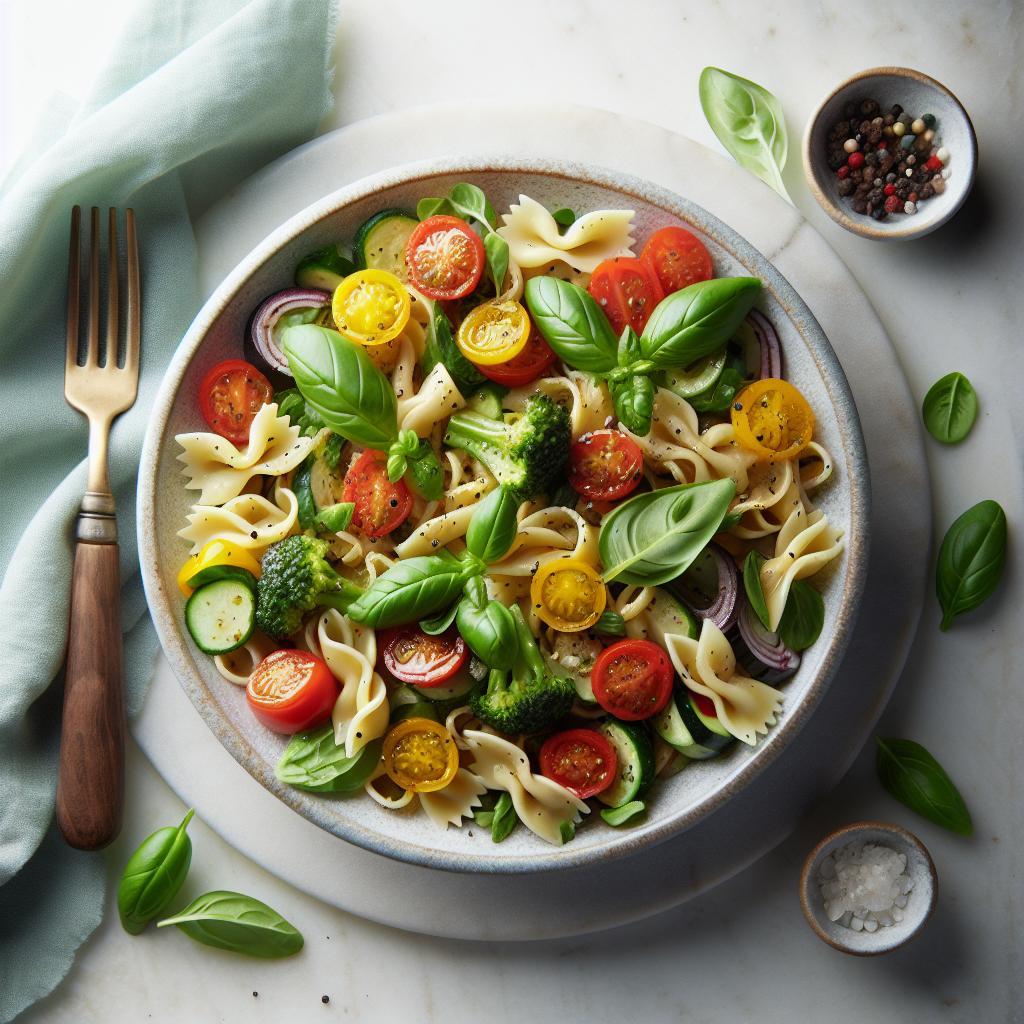

When spring’s bounty arrives bursting with vibrant colors and crisp textures, there’s no better way to celebrate than with a dish that captures the season’s essence. Enter Pasta Primavera-a delightful medley of fresh vegetables, tender pasta, and bright, herbaceous flavors that come together in perfect harmony. This guide will take you on a flavorful journey, showing you how to create a simple yet sensational Pasta Primavera that’s as easy to prepare as it is satisfying to eat. Whether you’re a kitchen novice or a seasoned cook longing for a refreshing twist, get ready to embrace a dish where freshness meets comfort in every bite.
Fresh & Flavorful: Your Guide to Simple Pasta Primavera celebrates the essence of vibrant spring vegetables, tender pasta, and subtle seasoning that brings every bite to life. This dish, rooted in Italian countryside traditions, embodies freshness and simplicity, turning everyday ingredients into a feast for the senses. With the right pasta, crisp-tender vegetables, and a few kitchen secrets, you’ll craft a primavera that’s as visually stunning as it is delicious-perfect for any season when craving a light yet satisfying meal.
Prep and Cook Time
- Preparation: 15 minutes
- Cooking: 20 minutes
- Total Time: 35 minutes
Yield
Serves 4 hearty portions
Difficulty Level
Easy to Medium – great for home cooks eager to explore colorful vegetable dishes with pasta
Ingredients
- 12 ounces of fettuccine or linguine pasta, preferably made from durum wheat for a firm bite
- 2 tablespoons extra-virgin olive oil
- 3 cloves garlic, finely minced
- 1 medium zucchini, sliced into half-moons
- 1 medium yellow squash, sliced into half-moons
- 1 cup cherry tomatoes, halved
- 1 cup fresh asparagus tips, cut into 1-inch pieces
- 1 cup thinly sliced bell peppers (red, yellow, or orange for color)
- 1/2 cup fresh peas, shelled
- 1/4 cup fresh basil leaves, chiffonade
- 1 teaspoon lemon zest
- 2 tablespoons freshly squeezed lemon juice
- Salt and freshly cracked black pepper to taste
- 1/4 cup grated Parmesan cheese or vegan Parmesan alternative (optional)
Instructions
- Cook the pasta: Bring a large pot of salted water to a boil. Add the pasta and cook until al dente according to package instructions, typically 9-11 minutes. Reserve 1 cup of the cooking water before draining-this starchy water will help create a luscious sauce.
- Sauté the aromatics: While the pasta cooks, heat the olive oil in a large skillet over medium heat. Add minced garlic and sauté until fragrant but not browned, about 1 minute, stirring frequently to avoid burning.
- Add the vegetables: Toss in the zucchini, yellow squash, and asparagus tips. Sauté for about 4 minutes until just tender but still vibrant and crisp. Stir often for even cooking.
- Incorporate the peas and bell peppers: Add fresh peas and sliced bell peppers. Continue cooking for 3 more minutes, ensuring the vegetables remain bright and retain slight crunch.
- Add tomatoes and seasoning: Stir in cherry tomatoes, lemon zest, lemon juice, salt, and pepper. Cook for an additional 2 minutes to warm the tomatoes and meld flavors.
- Combine pasta and veggies: Add the drained pasta to the skillet with vegetables, tossing gently to combine. Gradually add reserved pasta water, a few tablespoons at a time, to loosen the mixture and coat the strands in a glossy, flavorful sauce.
- Finish with fresh basil and cheese: Remove from heat, stir in basil leaves and sprinkle Parmesan cheese if using. Adjust seasoning with additional salt or lemon juice if desired.
- Serve immediately: Use tongs to plate the pasta, making sure to scoop plenty of vegetables. Garnish with fresh basil leaves or a light drizzle of olive oil for a final touch.
Tips for Success
- Choose durum wheat pasta like fettuccine or linguine for a satisfying texture that holds up well with varied vegetables.
- Prep all vegetables beforehand to keep the cooking process smooth and timed perfectly for vibrant freshness.
- Don’t overcook vegetables-aim for tender-crisp to maximize flavor and color contrast.
- If you prefer a lighter dish, omit the cheese or use a vegan Parmesan alternative while still achieving satisfying umami notes.
- Make the dish ahead by prepping vegetables and pasta separately, then combine briefly over heat just before serving to refresh flavors.
Serving Suggestions
Present pasta primavera in shallow bowls to showcase the colorful medley of vegetables. Garnish with a sprig of fresh basil or a pinch of extra lemon zest for visual brightness. For an added crunch, sprinkle toasted pine nuts or almond slivers on top. This dish pairs beautifully with a crisp green salad and warm, crusty bread for a well-rounded meal. Serve with a chilled sparkling water infused with cucumber or citrus slices to complement the dish’s freshness.
| Nutrient | Per Serving |
|---|---|
| Calories | 370 kcal |
| Protein | 12 g |
| Carbohydrates | 58 g |
| Fat | 8 g |

For more inspiration on fresh vegetable dishes, read our Seasonal Vegetable Recipes. Discover the science behind perfectly cooked pasta at Serious Eats.
Q&A
Q&A: Fresh & Flavorful-Your Guide to Simple Pasta Primavera
Q1: What is pasta primavera, and why is it such a beloved springtime dish?
A1: Pasta primavera is a vibrant Italian-American creation that celebrates fresh, seasonal vegetables tossed with al dente pasta. Its name means “spring pasta,” and it shines because it’s light, colorful, and packed with garden-fresh flavors, making it a perfect dish to welcome warmer weather.
Q2: Which vegetables work best in a classic pasta primavera?
A2: The beauty of pasta primavera lies in its versatility, but some perennial favorites include crisp asparagus, sweet cherry tomatoes, tender zucchini, bell peppers, peas, and bright green beans. These veggies bring a medley of textures and colors that make every bite exciting.
Q3: How can I keep the vegetables crisp and vibrant when cooking?
A3: The secret is to cook each vegetable just until tender-crisp. Start by sautéing or blanching the firmer veggies, then add the softer ones last so they don’t overcook. This way, you preserve their fresh snap, brilliant hues, and natural sweetness.
Q4: What pasta shapes complement pasta primavera the best?
A4: Ideally, choose pasta that holds onto the veggies and sauce well. Twisty shapes like fusilli, trofie, or farfalle work wonderfully, as do long strands like spaghetti or linguine for a more classic feel. The pasta is like a delicious stage for the veggies to shine.
Q5: How do you make a simple yet flavorful sauce for pasta primavera?
A5: A light sauce lets the vegetables take center stage. Drizzle good-quality extra virgin olive oil, add fresh garlic, a squeeze of lemon juice for brightness, and tender herbs like basil or parsley. A splash of vegetable broth or reserved pasta water can help bind everything with silky ease.
Q6: Can pasta primavera be made ahead, or is it best fresh?
A6: Pasta primavera is at its peak when fresh because the veggies are crisp and the flavors vibrant. If you must prepare in advance, slightly undercook your pasta and veggies, then toss together just before serving. Reheating gently with a splash of olive oil preserves its freshness.
Q7: Are there easy variations for different dietary preferences?
A7: Absolutely! Pasta primavera is naturally vegetarian and can be made vegan by skipping cheese or substituting with plant-based Parmesan alternatives. For a protein boost, add chickpeas, sautéed tofu, or your favorite beans while keeping the dish light and garden-fresh.
Q8: What tips can help elevate pasta primavera from simple to spectacular?
A8: Quality ingredients are key-use the freshest seasonal vegetables and a robust olive oil. Don’t shy from layering flavors with fresh herbs and a zest of lemon. Finally, finish with a handful of toasted nuts or crunchy breadcrumbs for an unexpected texture twist, making every forkful delightful.
Wrapping Up
As the vibrant colors of fresh vegetables mingle with tender pasta in your bowl, you’ll find that Pasta Primavera isn’t just a dish-it’s a celebration of simplicity and flavor. This guide has shown you that with a handful of wholesome ingredients and a sprinkle of creativity, you can bring the garden to your plate in the most delicious way. So next time you crave a meal that’s light, lively, and effortlessly elegant, remember: Pasta Primavera is always ready to brighten your table and delight your senses. Buon appetito!