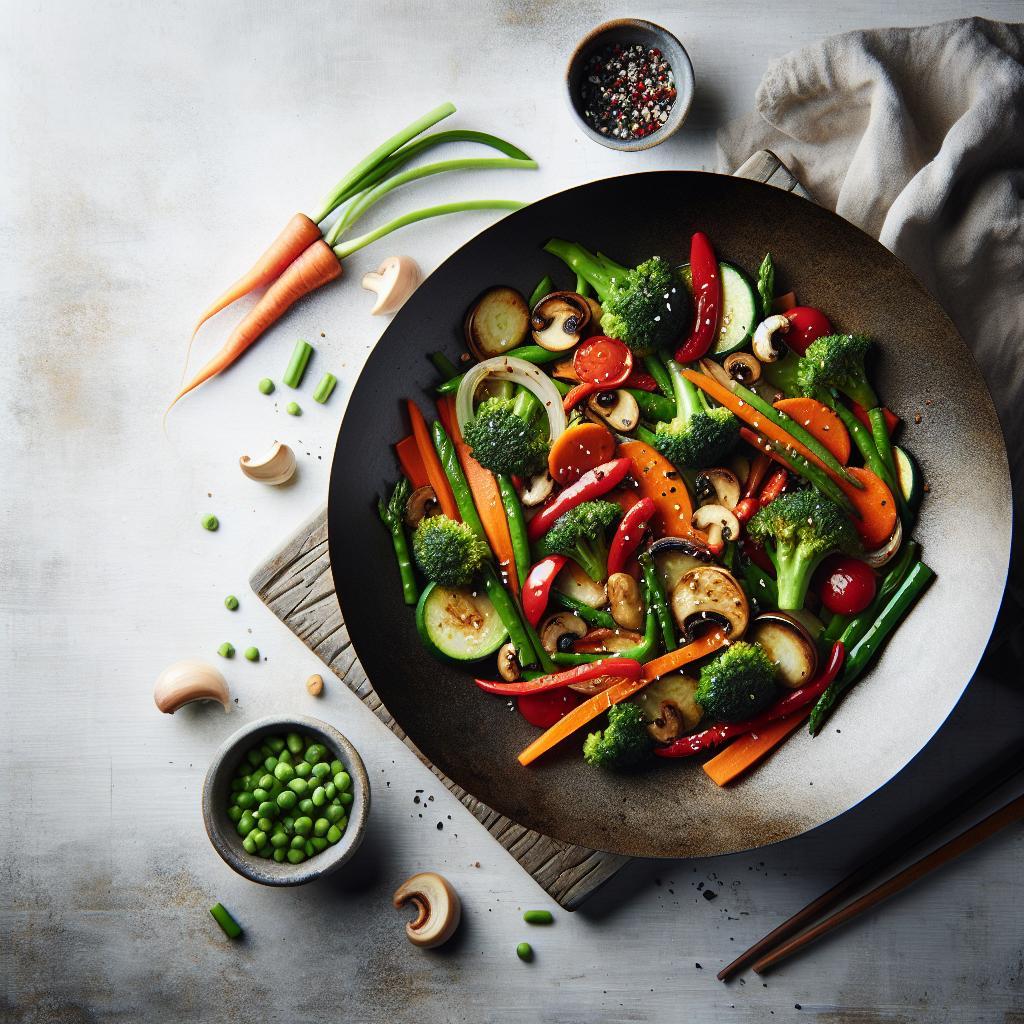

There’s something undeniably magical about the sizzle of fresh vegetables hitting a blazing-hot wok-a symphony of sound, color, and aroma that promises both health and delight in every bite. Yet, beneath this enticing spectacle lies an art form honed over centuries, where timing, temperature, and technique converge to transform humble ingredients into vibrant culinary masterpieces. In “Sizzling Secrets: Mastering the Art of the Vegetable Wok,” we peel back the layers of this ancient cooking craft, revealing insider tips and tricks that elevate simple veggies into wok-fired wonders. Whether you’re a seasoned cook or a curious novice, prepare to ignite your passion for stir-fry and uncover the sizzling secrets that turn everyday vegetables into extraordinary feasts.
Unlocking the Perfect Heat Balance for Crispy and Tender Vegetables
Sizzling Secrets: Mastering the Art of the Vegetable Wok unlocks the vibrant world of stir-frying-a technique revered across Asia for transforming humble vegetables into dishes bursting with flavor, texture, and color. The magic lies in balancing high heat with precise timing, allowing vegetables to achieve that coveted crisp exterior while staying tender inside. Originating centuries ago from Chinese home kitchens, this method celebrates freshness, speed, and the integrity of each ingredient, delivering a dish that feels as alive and dynamic as the wok’s fiery kiss.
Prep and Cook Time
- Preparation: 20 minutes
- Cooking: 8 minutes
Yield
Serves 4 as a vibrant side or light main
Difficulty Level
Easy to Medium – ideal for all skill levels eager to refine technique
Ingredients
- 2 cups broccoli florets, trimmed
- 1 cup snap peas, string removed
- 1 medium red bell pepper, thinly sliced
- 1 medium carrot, julienned
- 1 cup shiitake mushrooms, stems removed and sliced
- 3 cloves garlic, finely minced
- 1 thumb-size piece fresh ginger, grated
- 2 tbsp toasted sesame oil
- 1 tbsp peanut or canola oil (high smoke point oil)
- 3 tbsp light soy sauce
- 1 tbsp oyster sauce (vegetarian option: mushroom sauce)
- 1 tsp crushed red pepper flakes (optional)
- 1 tsp cornstarch mixed with 2 tbsp water, for sauce thickening
- Fresh cilantro or green onions, thinly sliced for garnish
Instructions
- Prepare your vegetables: Wash and thoroughly pat dry all vegetables to prevent steaming during stir-fry. Trim broccoli into bite-sized pieces and slice the bell pepper and mushrooms evenly.
- Heat your wok: Place a clean wok over high heat until it begins to smoke slightly. Add the peanut (or canola) oil and swirl to coat the surface evenly.
- Aromatics first: Quickly add garlic and ginger, stirring constantly for about 15 seconds until fragrant – do not let them burn.
- Vegetables go in: Add broccoli and carrots first, stir-frying 2 minutes until they start to soften but remain crisp.
- Layer in quicker-cooking veggies: Toss in snap peas, red bell pepper, and mushrooms, keeping ingredients moving in the wok to ensure even cooking.
- Sauce it: Pour in the soy sauce, oyster sauce, crushed red pepper flakes (if using), and the cornstarch slurry. Stir continuously while the sauce thickens and beautifully coats every vegetable.
- Finish with sesame oil: Drizzle sesame oil to add depth and a fragrant nutty finish, then immediately remove from heat to prevent overcooking.
- Garnish and serve: Transfer to a warm serving dish and scatter with fresh cilantro or sliced green onions for a bright, herbal pop.
Chef’s Notes
- Vegetable selection matters: Choose firm vegetables with contrasting textures to highlight the crisp-and-tender interplay. Avoid watery vegetables like zucchini to maintain that perfect wok sizzle.
- Keep it dry: Excess moisture can steam rather than fry, so always dry your vegetables well.
- High heat is key: Use oils with high smoke points for stir-frying, such as peanut or canola oil, to prevent burning and achieve those smoky charred notes.
- Sauce variations: Try substituting tamari for soy sauce if gluten-free, or add a splash of freshly squeezed lime juice for acidity and brightness.
- Make-ahead tip: Pre-cut all vegetables up to 24 hours before cooking, stored separately in airtight containers to retain freshness and color.
Serving Suggestions
Serve your sizzling vegetable medley atop a bed of jasmine rice or alongside steamed brown rice for a wholesome meal. Garnish with toasted sesame seeds for added texture and burst of nuttiness. Pair with a simple cucumber salad dressed in rice vinegar to balance the wok’s smoky essence. For an elegant twist, offer a side of chili-garlic dipping sauce to amp up the heat. This dish shines as a stand-alone vegetarian entrée or as a vibrant complement to grilled tofu or seared fish.
| Nutritional Info (per serving) | Calories | Protein | Carbs | Fat |
|---|---|---|---|---|
| Sizzling Vegetable Wok Stir-Fry | 180 kcal | 5g | 22g | 8g |
Discover more stir-fry tips and tricks to elevate your wok skills. For a deeper understanding of wok cooking fundamentals, the Serious Eats Stir-Fry Guide is an excellent resource.

Q&A
Q&A: Sizzling Secrets: Mastering the Art of the Vegetable Wok
Q1: What makes wok cooking uniquely suited for vegetables?
A1: The wok’s curved shape creates a natural stir zone where heat concentrates quickly, allowing vegetables to cook evenly and retain their vibrant color and crisp texture. Its high-heat capacity means veggies sizzle, sear, and caramelize in seconds, locking in freshness and flavor in a way other pans simply can’t replicate.
Q2: How do I prepare vegetables to maximize their wok potential?
A2: Slice vegetables uniformly and bite-size to ensure even cooking. Combine a variety of textures-crisp bell peppers, tender mushrooms, crunchy snap peas-to create a dynamic mouthfeel. Par-cooking firmer veggies like carrots or broccoli florets through blanching can also help achieve perfect tenderness inside while keeping a lively crunch outside.
Q3: Which oils work best for stir-frying vegetables in a wok?
A3: Choose oils with high smoke points to withstand intense heat without burning or imparting bitterness. Toasted sesame oil, peanut oil, or refined avocado oil are top picks. Use unrefined oils sparingly for finishing touches due to their more delicate flavors.
Q4: How do I keep vegetables from steaming rather than stir-frying?
A4: To achieve that signature sear instead of soggy steam, avoid overcrowding the wok. Stir-fry in batches if needed, and keep the pan super-hot. High heat rapidly evaporates moisture released by the veggies, encouraging caramelization rather than steaming.
Q5: Can you share tips on layering flavors in a vegetable wok dish?
A5: Think of flavor as a crescendo. Start by releasing aromatics-like ginger, garlic, or scallions-into hot oil to build a fragrant base. Add vegetables in stages, starting with the densest and ending with delicate greens. Finish with a splash of tamari or a squeeze of citrus for brightness and balance.
Q6: What’s the secret to achieving the perfect “wok hei” or “breath of the wok” in vegetable stir-fries?
A6: Wok hei refers to the smoky, slightly charred essence that high heat imparts. To master it, preheat your wok thoroughly, keep ingredients moving rapidly, and don’t crowd the pan. The key is balancing quick, intense heat with continuous motion to infuse the dish with that elusive, vibrant aroma.
Q7: Are there any vegetables that beginners should especially try in a wok?
A7: Absolutely! Bell peppers, snap peas, baby corn, shiitake mushrooms, bok choy, and zucchini are forgiving and quick-cooking vegetables that respond beautifully to wok cooking. Their natural sweetness and texture come alive under high heat, making each bite a celebration of freshness.
Q8: How can I keep vegetable stir-fries healthy without sacrificing taste?
A8: Use minimal oil but don’t skimp-it’s essential for flavor and texture. Load your wok with colorful veggies for a rich nutrient profile, and flavor with low-sodium soy sauce or tamari, fresh herbs, and spices instead of heavy sauces. Adding nuts or seeds can provide delightful crunch and an extra nutritional boost.
Q9: What cooking tools complement the wok for vegetable stir-frying?
A9: A sturdy, long-handled spatula designed for tossing and flipping helps keep veggies moving swiftly. A splatter guard can tame hot oil pops, and a bamboo steamer nearby can be handy for quickly softening tougher veggies before adding to the wok.
Q10: How do I clean and maintain my wok to ensure it ages well?
A10: After each use, rinse your wok with hot water and use a soft brush or sponge to remove stuck-on bits-no soap needed for seasoned carbon steel. Dry thoroughly and lightly oil the surface to prevent rust. Over time, your wok develops a natural non-stick patina that enhances flavor and performance.
Key Takeaways
As the final sizzle fades and the vibrant medley of colors settles into a perfect harmony, you’ll realize that mastering the art of the vegetable wok isn’t just about technique-it’s a celebration of freshness, flavor, and flair. With each stir and toss, you unlock the sizzling secrets that transform humble veggies into a symphony of taste and texture. So, grab your wok, ignite that flame, and let your culinary creativity soar-because in the world of vegetable stir-fry, every dish is a masterpiece waiting to happen. Happy cooking!