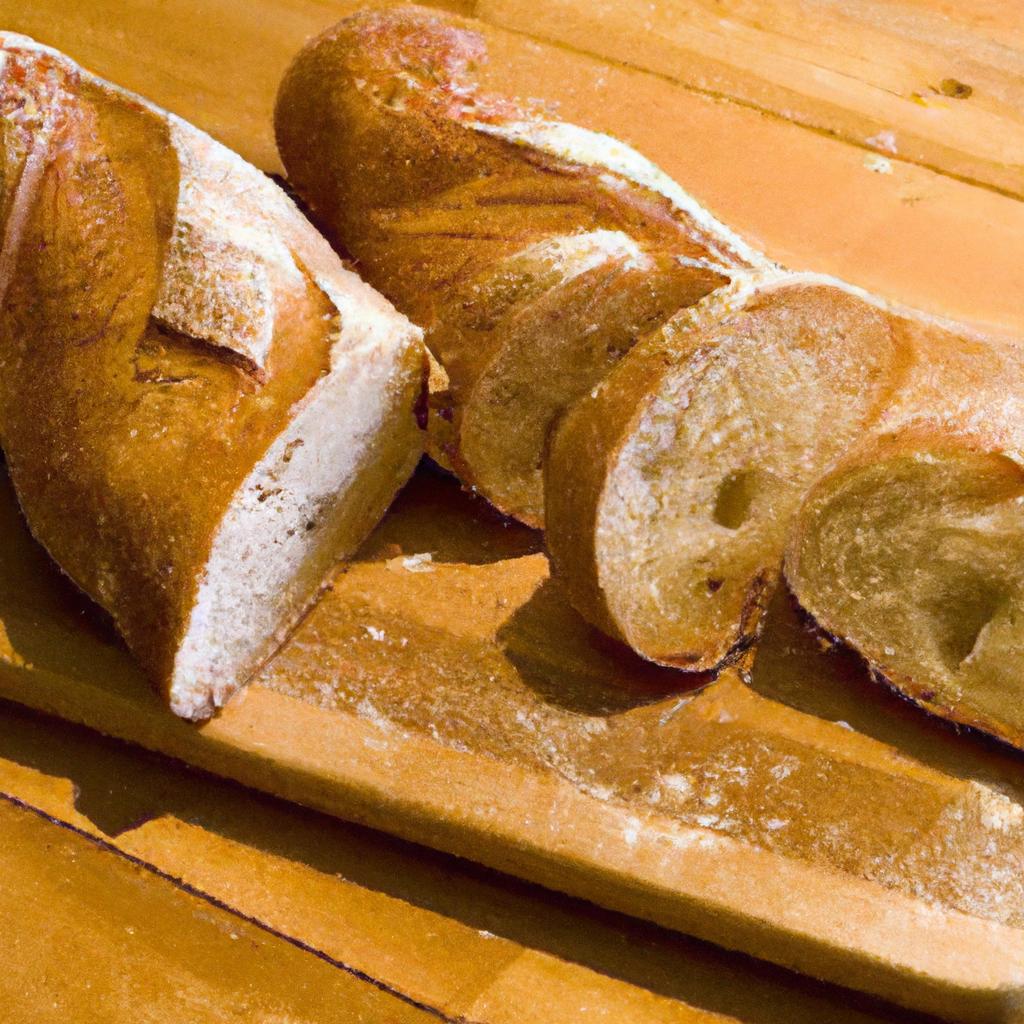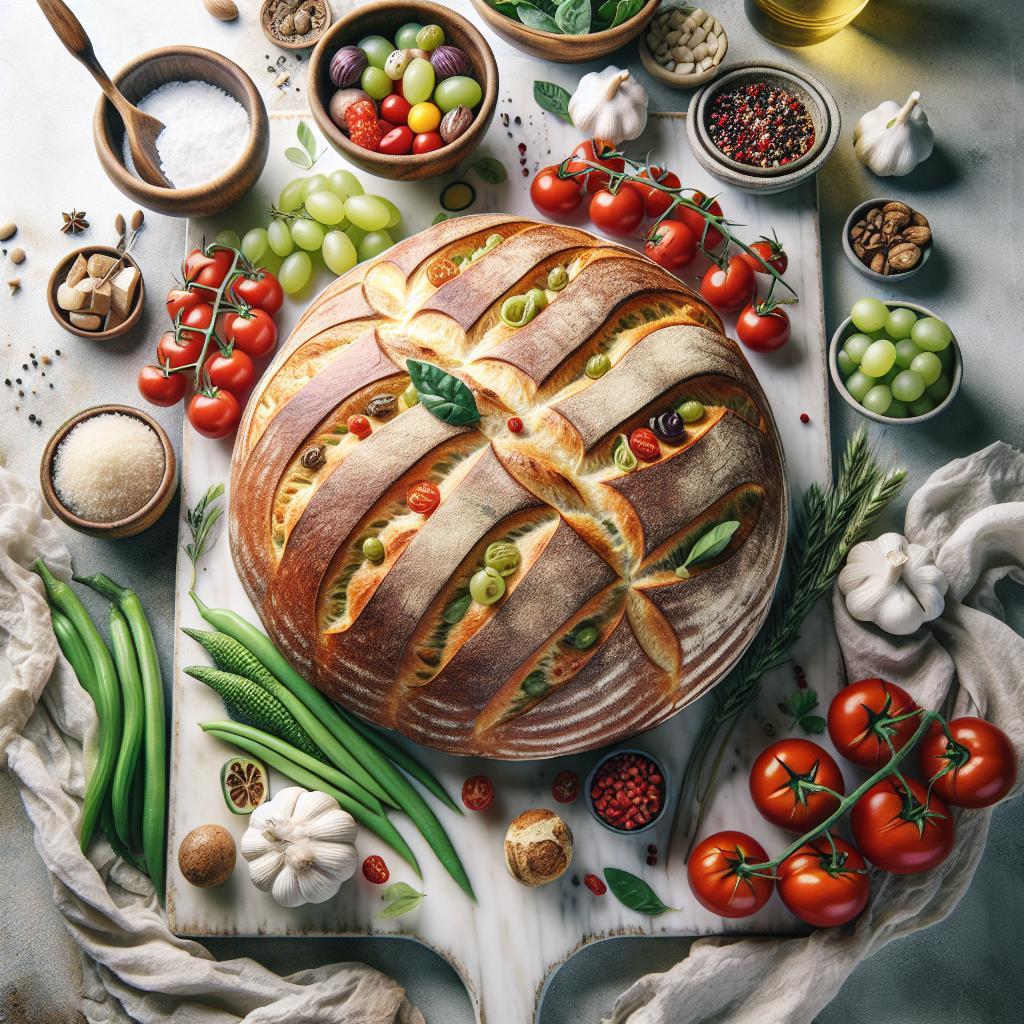

In the heart of Italy, where every sunrise casts a golden glow over cobblestone streets and sun-drenched vineyards, a timeless tradition rises alongside the morning mist: the art of Italian bread. More than just a staple, Italian bread is a living narrative of history, culture, and craftsmanship-each loaf a fragrant testament to centuries-old recipes and regional uniqueness. From the rustic crackle of a Tuscan ciabatta to the airy lightness of a Venetian michetta, Italian bread embodies a harmonious blend of simple ingredients and skilled hands, baked to perfection. Join us as we delve into the rich heritage and meticulous techniques that transform humble flour and water into the iconic breads loved around the world-a true celebration of tradition baked to perfection.
The Art of Italian Bread: Tradition Baked to Perfection embraces the soulful heritage and rich regionality that make classic Italian bread an enduring culinary treasure. From the sun-kissed hills of Tuscany to the vibrant coastal villages of Liguria, each loaf tells a story-one kneaded with history, culture, and an unwavering dedication to craft. The secret to exceptional Italian bread lies not only in its humble ingredients but in mastering the delicate balance between crust and crumb, capturing that unmistakable harmony of texture and flavor that inspires both novice and seasoned bakers alike.
Prep and Cook Time
- Preparation: 20 minutes
- First Rise: 1 hour 30 minutes
- Shaping and Second Rise: 45 minutes
- Baking: 25-30 minutes
- Total Time: 3 hours 15 minutes
Yield
2 rustic loaves (about 10-12 slices per loaf)
Difficulty Level
Medium – ideal for confident beginners eager to embrace traditional yeast baking techniques
Ingredients
- 4 cups bread flour, sifted
- 1 ½ cups lukewarm water (about 75°F/24°C)
- 2 tsp fine sea salt
- 1 tsp active dry yeast
- 1 tbsp extra virgin olive oil, plus extra for greasing
- 1 tsp sugar or honey (optional, to boost yeast activation)
Instructions
- Activate the yeast: In a small bowl, dissolve the active dry yeast in the lukewarm water. Add the sugar or honey if using. Let it sit for 5-7 minutes until it becomes frothy, signaling the yeast is alive and ready.
- Mix the dough: In a large mixing bowl, combine the bread flour and salt. Gradually pour in the yeast mixture and olive oil. Stir gently with a wooden spoon or your hands until a shaggy dough forms.
- Knead with care: Turn the dough onto a lightly floured surface and knead for 10 minutes. Focus on incorporating air and creating gluten, which builds the dough’s elasticity. The dough should be smooth and tacky but not sticky.
- First rise: Shape the dough into a ball and place it in a large, lightly oiled bowl. Cover with a damp cloth or plastic wrap. Let it rise in a warm place for 1 hour 30 minutes, or until doubled in size.
- Shape the loaves: Gently deflate the dough and divide into two equal pieces. Shape each into a rustic round or oblong loaf, taking care not to overwork the dough to preserve its airy crumb.
- Second rise: Place loaves on a parchment-lined baking sheet or in a bread proofing basket dusted with flour. Cover loosely and allow to rise for 45 minutes until puffed.
- Prepare to bake: Preheat the oven to 475°F (246°C). Place a cast iron skillet or a baking tray filled with water on the bottom rack to create steam, contributing to a crisp crust.
- Score the loaves: Using a sharp serrated knife or a bread lame, make 2-3 diagonal slashes on the surface of each loaf. This allows controlled expansion and adds signature rustic charm.
- Bake: Slide the loaves into the oven. Bake for 25-30 minutes until the crust is deep golden and crackling, and the bread sounds hollow when tapped on the bottom.
- Cool completely: Transfer the loaves to a wire rack and allow to cool fully before slicing to preserve the crumb structure.
Tips for Success
- Flour variations: Use a mix of bread flour and Italian-style “00” flour for a lighter, delicately textured crumb that is quintessential to certain regional breads like ciabatta.
- Water temperature: Ensure water is not too hot to avoid killing the yeast or too cold to prevent activation; aim for around 75°F (24°C).
- Humidity matters: If your kitchen is dry, cover dough with a damp towel or plastic wrap to prevent crust formation during rises.
- Make ahead: Prepare the dough the night before, refrigerate overnight, and bake the next morning for fresh, flavorful bread with more complex taste.
- Experiment with add-ins: Try incorporating fresh rosemary or roasted garlic for breads inspired by Ligurian focaccia traditions without compromising authenticity.
Serving Suggestions
This classic Italian bread pairs exquisitely with simple extra virgin olive oil and flaky sea salt for dipping-a homage to Italy’s elegant minimalism. Use it to scoop up hearty tomato sauces, alongside creamy burrata, or as the foundation for bruschetta topped with ripe tomatoes and basil. For a rustic touch, thin slices toasted and rubbed with garlic make a perfect antipasto platter accent.
| Nutritional Info (per slice) | Calories | Protein | Carbs | Fat |
|---|---|---|---|---|
| Classic Italian Bread | 120 kcal | 4 g | 23 g | 1.5 g |

Discover more culinary inspiration in our detailed guide on handmade Italian pasta recipes. For an in-depth exploration of yeast science, visit the Academy of Culinary Physics at amerkuninstitute.edu.
Q&A
Q&A: The Art of Italian Bread: Tradition Baked to Perfection
Q1: What makes Italian bread so distinctive compared to other breads worldwide?
A1: Italian bread is renowned for its rustic simplicity, crusty exterior, and tender crumb. The magic lies in the centuries-old techniques passed down through generations, where a few basic ingredients – flour, water, salt, and natural yeast – transform into loaves bursting with flavor and character. The artful balance of fermentation time and baking method gives Italian bread its signature taste and texture.
Q2: How do traditional Italian breadmaking methods influence the final product?
A2: Traditional methods, such as long, slow fermentation and hand shaping, develop the complex flavors and airy structure that machine-produced breads often lack. The patient rise allows natural enzymes and wild yeasts to work their magic, enhancing taste and digestibility. The skilled hand shaping ensures the perfect crust-to-crumb ratio, giving the finished loaf a beautiful form and delightful mouthfeel.
Q3: What are some iconic types of Italian bread found across Italy?
A3: Italy’s regional diversity is reflected in its breads. From the chewy, flour-dusted ciabatta of the north to the fragrant, golden pane toscano from Tuscany (notably made without salt), and the airy, olive oil-enriched focaccia from Liguria, each bread tells a story of its land and people. These breads highlight local ingredients and baking traditions, enriching Italy’s culinary landscape.
Q4: Why is the choice of flour crucial in Italian bread baking?
A4: Flour is the backbone of any bread, but Italian bakers often favor specific wheat varieties that thrive in their climates. High-quality, finely milled flours with the right protein content ensure proper gluten development, which is essential for the bread’s structure and chewaterss. The regional wheat differences subtly influence flavor profiles, giving each loaf its unique identity.
Q5: Can homemade Italian bread capture the essence of traditional bakery loaves?
A5: Absolutely! While ovens and equipment differ, home bakers can recreate the spirit of Italian bread by embracing authenticity over perfection-using slow fermentation, opting for natural leavening such as sourdough starters, and applying simple shaping techniques. The key is patience and respect for the process, turning baking into a joyful ritual rather than a rushed chore.
Q6: How does the crust contribute to the overall experience of Italian bread?
A6: The crust acts as a flavorful gateway to the bread’s soft interior. It offers a satisfying crunch and a caramelized aroma resulting from the Maillard reaction during baking. This contrast between crust and crumb elevates every bite, making the bread not just sustenance but a sensory experience steeped in history.
Q7: What role does water play in the art of Italian breadmaking?
A7: Water is the silent partner that activates yeast and hydrates the flour. The mineral content and temperature of the water subtly impact fermentation and dough texture. Many Italian bakers believe that pure, fresh water contributes to the bread’s delicate flavor and open crumb, making it an essential element in their baking philosophy.
Q8: How has Italian bread influenced global baking trends?
A8: Italian bread’s emphasis on natural fermentation, artisanal craftsmanship, and minimalistic ingredients has inspired countless bakers worldwide to return to traditional methods. The revival of sourdough cultures, rustic loaves, and hand-shaped breads in global bakeries owes much to Italy’s enduring baking heritage, reminding people to value process and provenance in every bite.
Q9: What is the cultural significance of bread in Italian life?
A9: Bread in Italy is more than food-it’s a symbol of hospitality, community, and tradition. Sharing a fresh loaf at the table signifies generosity and connection. Each regional bread is a living memory of local landscapes, celebrations, and family stories, embodying the soul of Italian culture baked to perfection.
Future Outlook
In the heart of every Italian kitchen echoes a timeless ritual-one where flour, water, and salt transform into more than mere sustenance. The art of Italian bread is a testament to centuries of tradition, patience, and passion, each loaf telling a story baked to perfection. From the crusty ciabatta to the fragrant focaccia, these breads are not just food, but a cultural heritage meant to be savored and shared. As we break bread today, we partake in a living legacy, one that reminds us that the simplest ingredients, combined with skill and love, can create something truly extraordinary. So next time you tear into a warm slice of Italian bread, remember-you’re tasting history, crafted one perfect crumb at a time.