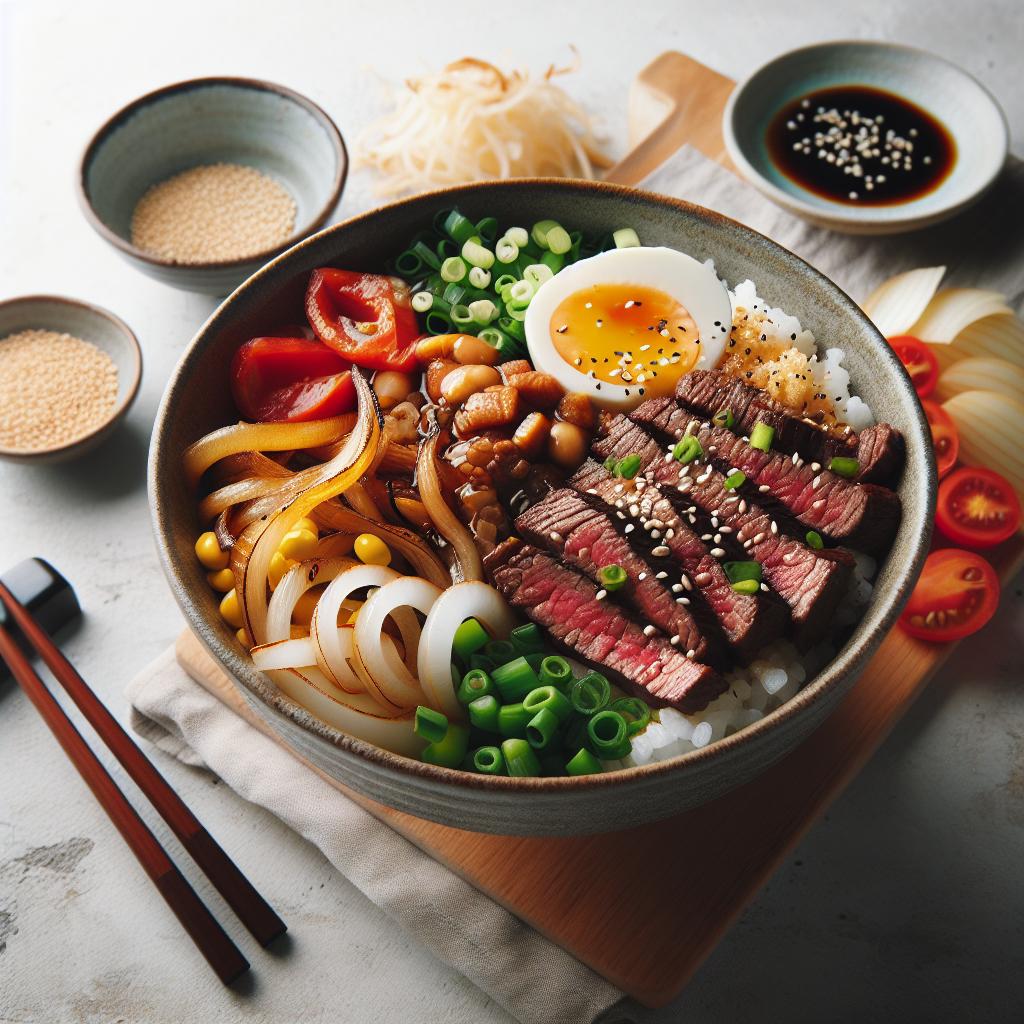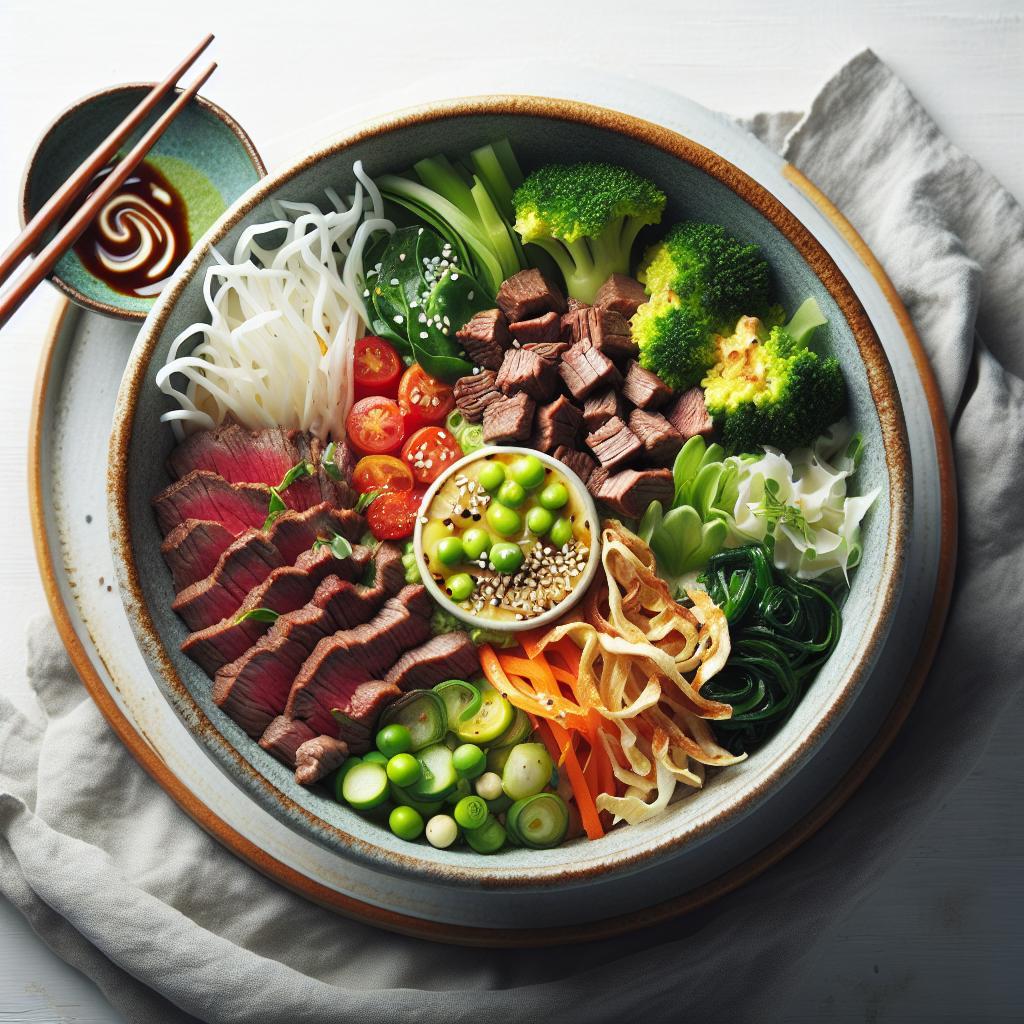

In the bustling heart of Japan’s culinary culture lies a humble yet profoundly satisfying dish: the beef bowl. Known locally as “gyūdon,” this savory staple has woven itself into the fabric of daily life, offering a comforting embrace with each steaming bowl. From the sizzling sukiyaki-inspired sweetness to the tender, melt-in-your-mouth slices of beef soaring atop fluffy rice, the beef bowl is more than just a meal-it’s a story of tradition, flavor, and innovation. Join us as we embark on a savory journey into the world of Japanese comfort food, exploring the origins, variations, and timeless appeal of this iconic dish that continues to captivate taste buds around the globe.
Beef Bowl Delights invite you to immerse yourself in one of Japan’s most beloved comfort foods that marry simplicity with deeply satisfying flavors. This dish highlights finely sliced beef simmered gently in a savory-sweet broth, poured over steaming hot rice-a harmony of textures and tastes originating from the Edo period but cherished globally today for its heartwarming qualities. My first experience with a beef bowl was at a modest Tokyo diner, where the aroma of simmered beef and dashi instantly conveyed a feeling of home. This timeless dish isn’t merely a meal; it’s a cultural icon celebrated for nourishing both body and soul.
Prep and Cook Time
- Preparation: 15 minutes
- Cooking: 20 minutes
- Total Time: 35 minutes
Yield
Serves 4 generous portions
Difficulty Level
Easy – Suitable for both beginner cooks and seasoned pros seeking authentic flavor.
Essential Ingredients and Seasonings That Define Authenticity
- 1 lb thinly sliced beef ribeye (well-marbled for tenderness)
- 1 large onion, thinly sliced
- 2 cups dashi stock (preferably homemade or good quality instant dashi)
- 3 tablespoons soy sauce (preferably Japanese shoyu)
- 2 tablespoons mirin (a sweet rice water alternative)
- 2 tablespoons sake (Japanese cooking sake)
- 1 tablespoon granulated sugar
- 4 cups steamed Japanese short-grain rice
- Pickled ginger (beni shoga), for garnish
- Chopped scallions, for garnish
- Shichimi togarashi (optional, for spice)
Mastering the Art of Perfectly Simmered Beef for Ultimate Flavor
- Prepare the rice first-use fresh, hot steamed Japanese short-grain rice to contrast beautifully with savory beef.
- Heat a deep skillet over medium heat. Add sliced onions and sauté until translucent and lightly caramelized, about 5 minutes, stirring frequently.
- In a separate bowl, combine dashi stock, soy sauce, mirin, sake, and sugar, stirring until sugar dissolves completely.
- Pour the prepared broth over the onions; bring to a gentle simmer and let it reduce slightly for 8 minutes to intensify flavors.
- Add the thinly sliced beef carefully in a single layer. Simmer gently for 3-4 minutes, stirring occasionally, until the beef just cooks through but remains tender.
- Remove from heat immediately to prevent overcooking, preserving the melt-in-your-mouth texture.
- Assemble the bowls by spooning generous portions of rice into deep bowls, topping with the simmered beef and onions along with plenty of broth.
- Garnish with bright red pickled ginger and freshly chopped scallions for a refreshing contrast. Sprinkle with shichimi togarashi for a subtle chili kick if desired.
Top Recommended Beef Bowl Variations to Savor at Home and Beyond
While the classic beef bowl shines in its simplicity, there are exciting regional and gourmet twists you can explore. Try incorporating sautéed mushrooms or bamboo shoots for an earthy depth. For a richer umami punch, a poached egg on top adds luscious creaminess that effortlessly melds with the broth. Some enjoy swapping out ribeye for thinly sliced sirloin or chuck for a leaner bite, adjusting simmer times accordingly. Vegetables like tender spinach or pickled radish can bring freshness and color to your serving plate. No matter the variation, maintaining the perfect simmering technique keeps the dish true to its essence.
Chef’s Notes: Tips for Success
- Choose thin slices: The secret to tender beef bowl delights lies in the thickness of the beef; ask your butcher for “shabu-shabu” or “sukiyaki” cut slices.
- Dashi foundation: Investing in homemade dashi stock transforms this dish. Kombu and bonito flakes deliver unmatched depth beyond instant powders.
- Control the simmer: Maintain a gentle simmer to avoid toughening the beef.
- Make ahead: You can prepare the simmered beef and onions a day ahead and gently reheat; add fresh garnishes just before serving.
- Rice is key: Use freshly steamed rice with a slightly sticky texture for authenticity.
Serving Suggestions
Serve this beef bowl delight piping hot in rustic Japanese donburi bowls to elevate the experience. Pair it with a side of miso soup for a complete meal. Complement the dish with chilled green tea or sake for authenticity. Garnishes like pickled ginger create a delightful acidic counterpoint, while scallions add a burst of freshness and vibrant color. Sprinkle toasted sesame seeds for an added nutty aroma, or offer a small dish of wasabi for adventurous palates.
| Nutrient | Amount per Serving |
|---|---|
| Calories | 480 kcal |
| Protein | 28 g |
| Carbohydrates | 55 g |
| Fat | 15 g |

Discover more Japanese comfort foods that pair beautifully with this dish. For historical context and in-depth cultural insight, visit Japan Guide’s Beef Bowl section.
Q&A
Q&A: Beef Bowl Delights – A Savory Journey into Japanese Comfort Food
Q1: What exactly is a beef bowl, and why is it so popular in Japan?
A1: A beef bowl, or “gyudon,” is a simple yet deeply flavorful dish consisting of thinly sliced beef simmered with onions in a savory-sweet sauce, all served atop a steaming bowl of rice. Its popularity in Japan stems from its perfect balance of comfort and convenience-a hearty, satisfying meal that can be enjoyed quickly and anywhere, from bustling city eateries to home kitchens.
Q2: What are the key ingredients that create the authentic flavor of a traditional beef bowl?
A2: The magic lies in the harmonious blend of thinly sliced beef, tender onions, dashi broth, soy sauce, mirin (sweet rice water), and a touch of sugar. These ingredients meld together to create a rich umami flavor that’s both comforting and deeply satisfying.
Q3: How has the beef bowl evolved beyond its traditional roots?
A3: While the classic gyudon remains beloved, chefs and home cooks alike have experimented with toppings like soft poached eggs, pickled ginger, scallions, and even grated daikon radish to add textural contrast and bursts of flavor. Some modern twists introduce subtle spices or mushroom varieties to enhance the savory depth without overshadowing the original comforting essence.
Q4: Is the beef bowl considered a healthy meal option?
A4: When balanced mindfully, yes! The beef bowl combines protein-rich beef with rice for energy and often includes onions and garnishes that bring vitamins and texture. Using lean cuts of beef and moderating sodium through careful soy sauce use can elevate it to a wholesome, nourishing comfort meal.
Q5: Can this dish be easily recreated at home by beginner cooks?
A5: Absolutely! The beef bowl’s simplicity makes it an excellent entry point for those new to Japanese cooking. With just a handful of ingredients and straightforward simmering, even novice cooks can whip up a bowl of savory delight that tastes like it came from a specialty restaurant.
Q6: What role does rice play in the beef bowl experience?
A6: Rice is the essential canvas of the beef bowl, soaking up the flavorful juices and providing a soft, warm foundation that balances the savory beef. The texture and warmth of freshly steamed white rice create a comforting contrast that’s vital to the dish’s satisfying nature.
Q7: Are there regional variations of the beef bowl within Japan?
A7: Yes! Different regions put their own spin on gyudon, sometimes adjusting the sweetness or savory notes of the broth or incorporating local ingredients. Some areas might introduce mushrooms or seasonal vegetables, while others emphasize the tenderness of the beef with slight cooking technique variations.
Q8: What are some cultural elements or traditions connected to the beef bowl?
A8: Beyond being a quick meal, the beef bowl symbolizes the fast-paced yet quality-minded essence of modern Japanese dining. It’s also a culinary bridge linking Japan’s agricultural roots with urban food culture-offering nourishment and warmth, often enjoyed during busy workdays or after long commutes.
Q9: How can one elevate a simple beef bowl into a gourmet experience?
A9: Elevation comes from ingredient quality and subtle enhancements: using premium cuts of beef, homemade dashi broth, and fresh seasonal garnishes can transform this humble dish. Presentation also plays a role-artfully layering the tender beef and glistening onions over perfectly cooked rice, and topping with a delicately poached egg or freshly chopped scallions can create an elevated dining experience.
Q10: Why should food lovers outside Japan explore the beef bowl tradition?
A10: The beef bowl encapsulates the essence of Japanese comfort food-an elegant simplicity rooted in deep flavor and tradition. For culinary explorers, it offers a unique glimpse into how everyday ingredients are transformed into universally comforting dishes, inviting everyone to experience a taste of Japan’s rich food culture with each satisfying bite.
To Wrap It Up
As we wrap up this savory journey into the world of beef bowls, it’s clear that this humble dish is much more than a simple meal-it’s a comforting embrace from the heart of Japanese cuisine. From tender slices of marinated beef to the fragrant layers of soy, mirin, and dashi, every bowl tells a story of tradition, warmth, and flavor harmony. Whether enjoyed at a bustling street stall or crafted carefully at home, the beef bowl remains a beloved symbol of comfort food that continues to delight palates worldwide. So next time you seek a taste of Japan’s culinary soul, remember: a bowl of beef is not just food-it’s a delicious invitation to savor life’s everyday joys.