
There’s something undeniably magnetic about a perfectly pan-seared steak-the crisp, caramelized crust giving way to a juicy, tender interior that melts in your mouth. But mastering this culinary art is more than just tossing a slab of beef into a hot pan; it’s a symphony of technique, timing, and flavor that elevates a humble cut into a gourmet experience. Whether you’re a seasoned kitchen warrior or a curious home cook, this flavorful guide will take you step-by-step through the secrets of pan-searing steak, unlocking the potential of every sizzling bite. Prepare to transform your steak nights and impress your palate with confidence and finesse.
- Choosing the Perfect Cut for Ultimate Flavor and Tenderness
- Essential Prep Techniques to Enhance Juiciness and Texture
- Mastering Heat Control for the Ideal Seared Crust
- Finishing Touches and Serving Suggestions to Elevate Your Steak Experience
- Prep and Cook Time
- Yield
- Difficulty Level
- Ingredients
- Instructions
- Tips for Success
- Serving Suggestions
- Q&A
- The Conclusion
Choosing the Perfect Cut for Ultimate Flavor and Tenderness
Master the Art of Pan-Seared Steak: A Flavorful Guide begins with selecting the cut that will deliver both richness and tenderness. For the most succulent results, opt for prime-grade cuts like ribeye, striploin, or filet mignon. These cuts offer a beautiful marbling of fat, which melts during cooking, infusing the steak with deep, buttery flavor and a juicy texture. Thick steaks, ideally 1.5 to 2 inches, allow better control over the internal temperature, ensuring a perfectly pink center without sacrificing a crust of caramelized goodness.
Essential Prep Techniques to Enhance Juiciness and Texture
Before the pan hits the heat, prep your steak for success. Pat the meat dry with paper towels to remove excess moisture, which helps develop an exceptional seared crust. Letting the steak sit at room temperature for 30-45 minutes ensures even cooking throughout. Season generously with coarse salt and freshly cracked black pepper right before cooking-salt acts as your flavor amplifier, drawing out natural juices that reabsorb and tenderize the flesh. For an added layer of complexity, consider rubbing with a little high-smoke-point oil like avocado or grapeseed oil.
Mastering Heat Control for the Ideal Seared Crust
Achieving that irresistible, golden-brown crust is all about moderate-to-high, steady heat. Preheat a heavy cast-iron skillet or stainless steel pan until it’s scorching hot but not smoking. This initial burst of heat prompts the Maillard reaction, a chemical process that creates complex flavors and a crust with perfect texture. Once the steak hits the pan, resist the urge to move it around; let it sear undisturbed for 3-4 minutes per side (depending on thickness). Use a pair of tongs to turn gently and sear the edges by standing the steak up if you want edge-to-edge caramelization. For added flavor, toss in smashed garlic cloves, fresh rosemary, and a knob of butter during the final moments, basting continuously to infuse aromatics.
Finishing Touches and Serving Suggestions to Elevate Your Steak Experience
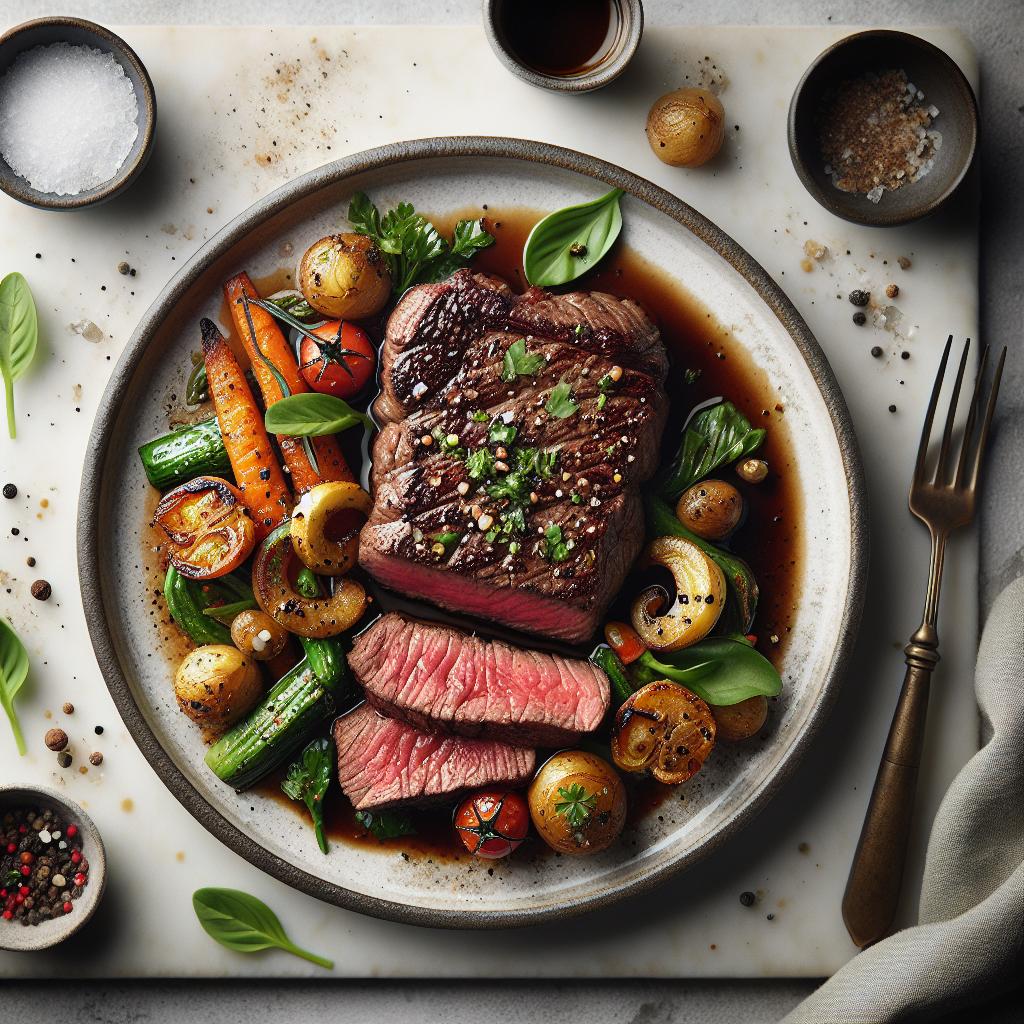
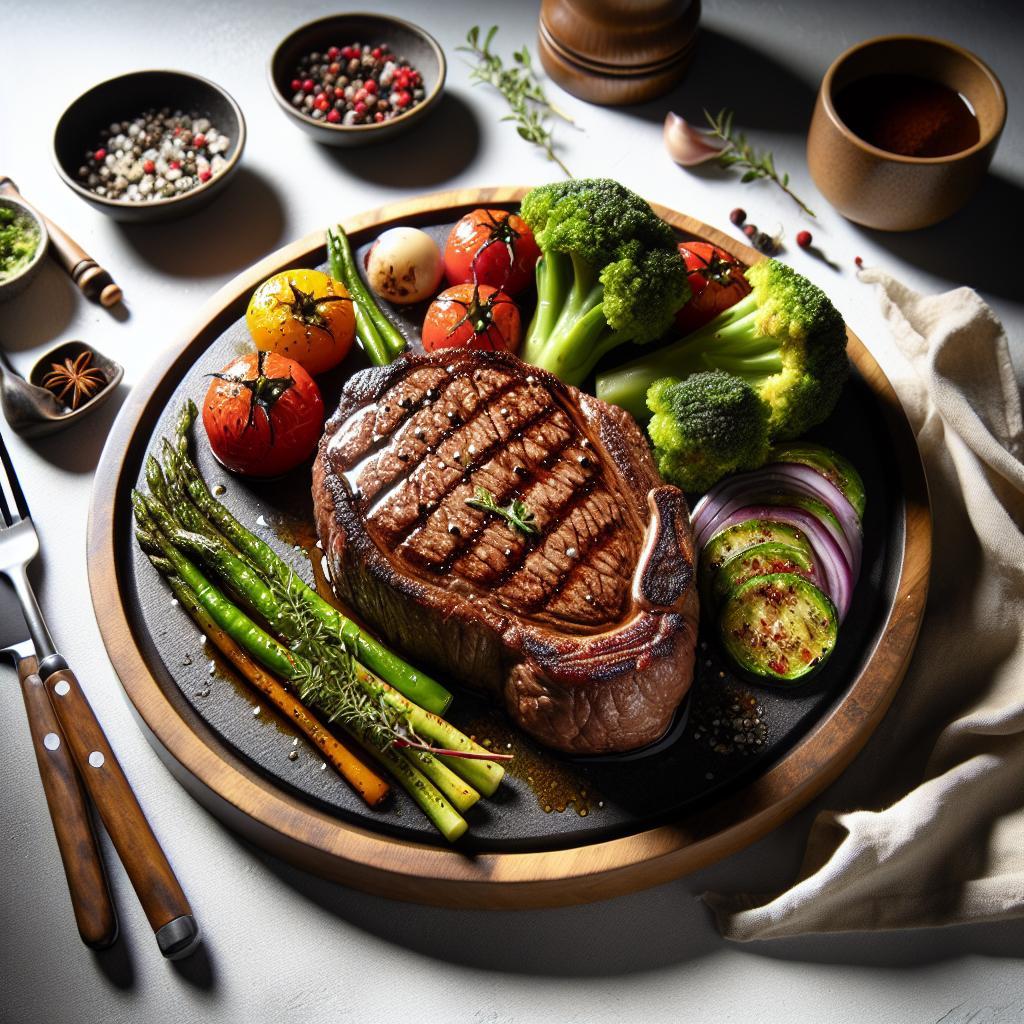
Once the steak reaches your desired doneness (use an instant-read thermometer: 130°F for medium-rare), let it rest on a warm plate for 5-10 minutes. This crucial step allows juices to redistribute and locks in moisture. Slice against the grain for maximum tenderness. Elevate your presentation with a sprinkle of flaky sea salt and a fresh herb garnish like thyme or parsley. Pair with roasted garlic mashed potatoes, lightly dressed arugula salad, or a glass of full-bodied red wine to complement the steak’s richness. A drizzle of chimichurri or a classic compound butter can add a gourmet flourish to each bite.
Prep and Cook Time
Prep: 15 minutes | Cook: 10 minutes | Rest: 10 minutes
Yield
Serves 2
Difficulty Level
Medium
Ingredients
- 2 thick-cut ribeye steaks (1.5 to 2 inches thick, about 10 oz each)
- Kosher salt, to taste
- Freshly ground black pepper, to taste
- 2 tbsp high-smoke-point oil (avocado or grapeseed)
- 2 tbsp unsalted butter
- 4 cloves garlic, smashed
- 2 sprigs fresh rosemary or thyme
Instructions
- Prepare the steaks: Remove steaks from the fridge and pat dry with paper towels. Let rest at room temperature for 30-45 minutes to ensure even cooking.
- Season liberally: Just before cooking, generously season both sides of the steaks with kosher salt and freshly ground black pepper.
- Heat your pan: Place a cast-iron skillet over medium-high heat and add the oil, swirling to coat the surface. The pan should be hot enough to smoke lightly.
- Sear the steaks: Lay the steaks gently into the pan, pressing down lightly. Cook undisturbed for 3-4 minutes until a crust forms. Flip and sear the other side for an additional 3-4 minutes.
- Edge sear: Using tongs, hold the steak upright and sear the edges for about 30 seconds each to maximize caramelization.
- Add aromatics and baste: Lower heat to medium, add butter, garlic cloves, and rosemary to the pan. Tilt the pan slightly and use a spoon to baste the melted butter over the steaks continuously for 1-2 minutes.
- Check doneness: Use an instant-read thermometer; pull steaks at 130°F for medium-rare. Adjust time depending on your preference.
- Rest the steaks: Transfer to a plate and tent loosely with foil. Let rest for 5-10 minutes to allow juices to redistribute.
- Slice and serve: Cut against the grain, sprinkle with flaky sea salt, garnish with fresh herbs, and serve immediately.
Tips for Success
- For a smokier flavor, finish the steak with a quick broil for 1-2 minutes after searing.
- Use a kitchen thermometer to avoid overcooking – thick cuts can become tough if cooked beyond medium.
- If you prefer grass-fed beef, allow slightly more resting time as it retains less moisture.
- For a dairy-free version, omit butter and baste with extra oil and herbs.
- Make ahead: Steaks can be seasoned and refrigerated overnight for deeper seasoning-just bring to room temperature before cooking.
Serving Suggestions
Present your pan-seared steak on a warm plate, complemented with roasted garlic mashed potatoes, sautéed green beans, or an herbaceous chimichurri sauce. A final flourish of fresh microgreens or edible flowers adds elegant color and texture contrast. Pair with a bold Cabernet Sauvignon or a smoky Malbec to fully embrace the steak’s rich, hearty notes.

| Nutrient | Per Serving |
|---|---|
| Calories | 620 kcal |
| Protein | 58 g |
| Carbohydrates | 0 g |
| Fat | 45 g |
Explore more flavor-packed steak recipes on our Grilled Steak Recipes page. For detailed science behind the perfect sear, visit Serious Eats – Maillard Reaction Explained.
Q&A
Q&A: Master the Art of Pan-Seared Steak – A Flavorful Guide
Q1: Why choose pan-searing over other cooking methods for steak?
A1: Pan-searing is all about flavor and texture-it’s the culinary shortcut to a steakhouse-quality crust right in your own kitchen. By cooking steak on high heat in a hot pan, you caramelize the surface, creating a golden, flavorful crust while sealing in juices for tender, mouthwatering bites.
Q2: What’s the best steak cut for pan-searing?
A2: Ribeye, New York strip, filet mignon, and sirloin are your top contenders. These cuts strike the perfect balance of marbling and thickness, making them ideal for quick, high-heat searing that yields a juicy interior and crispy exterior.
Q3: How do I prepare my steak before searing?
A3: Start with a steak at room temperature to ensure even cooking. Pat it dry to remove moisture-wet steak equals steam, not sear. Season generously with salt and freshly cracked black pepper, or your favorite steak rub. Keep it simple so the natural beef flavors shine.
Q4: What kind of pan should I use?
A4: Cast iron is the reigning champion for pan-seared steaks thanks to its superior heat retention and even cooking. If you don’t have cast iron, a heavy stainless steel skillet works well to build that coveted crust.
Q5: What’s the secret to the perfect sear?
A5: Heat, patience, and minimal flipping. Let your pan get smoking hot before adding oil with a high smoke point (grapeseed or avocado). Place the steak down and resist the urge to move it-give it time to form that crust. Flip only once for even searing.
Q6: Should I add butter or aromatics during cooking?
A6: Absolutely! Toward the end of cooking, add a knob of butter, crushed garlic cloves, and fresh thyme or rosemary to the pan. Use a spoon to baste the steak with the melted, aromatic butter. This elevates flavor and adds a luscious finish.
Q7: How do I know when the steak is perfectly cooked?
A7: Use a meat thermometer for best results: 125°F for rare, 135°F for medium-rare, 145°F for medium. If you don’t have a thermometer, test doneness by gently pressing the steak and comparing its firmness to different parts of your hand.
Q8: Why is resting steak important?
A8: Resting lets the juices redistribute throughout the meat, preventing them from spilling out onto your plate. Tent your steak loosely with foil and rest for 5-10 minutes-it’s the final secret to succulent perfection.
Q9: Can I customize pan-seared steak with sauces?
A9: Yes! Classic pan sauces like mushroom, peppercorn, or red wine reduction complement your steak beautifully. Use the fond-the browned bits stuck to the pan after searing-to build rich, complex sauces packed with flavor.
Q10: What common mistakes should I avoid when pan-searing steak?
A10: Avoid overcrowding the pan, which drops the temperature and causes steaming. Don’t flip too often or press down on the steak, which squeezes out juices. Skip under-seasoning and don’t rush the resting period. With patience and practice, your pan-seared steak game will be unmatched.
By mastering these techniques, you’ll transform simple cuts of beef into unforgettable meals bursting with flavor and texture. Ready to ignite your stovetop and impress your palate? The art of the pan-seared steak awaits!
The Conclusion
As the final sizzle fades and your perfectly pan-seared steak rests, you hold more than just a meal-you hold the mastery of a timeless culinary craft. With each sear, each sprinkle of seasoning, and every mindful moment by the stove, you’ve unlocked the secrets to steakhouse-worthy flavor right in your own kitchen. Remember, the art of pan-searing is not just about technique; it’s about connecting with your food, savoring the process, and celebrating the bold, mouthwatering results. So, grab your skillet, embrace the journey, and let every steak you cook be a delicious testament to your newfound expertise. Your next unforgettable dinner awaits.