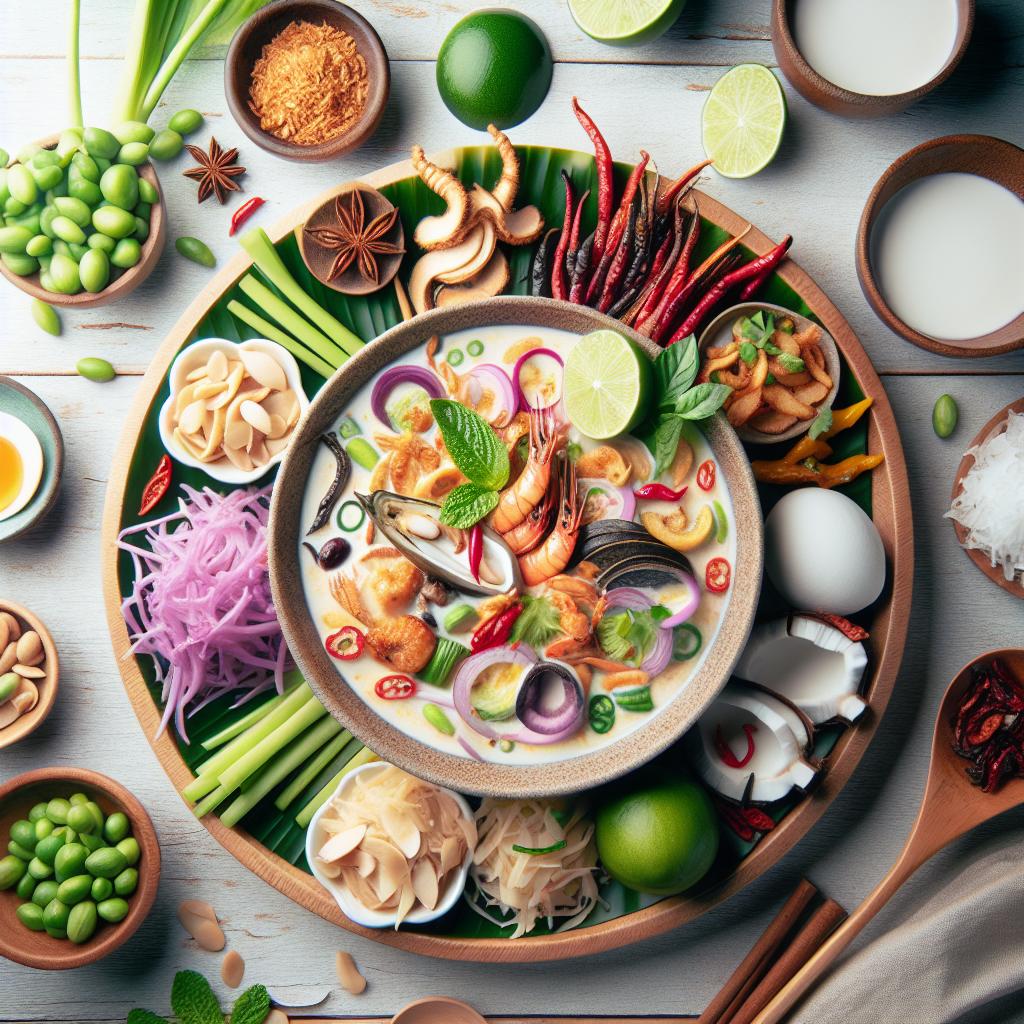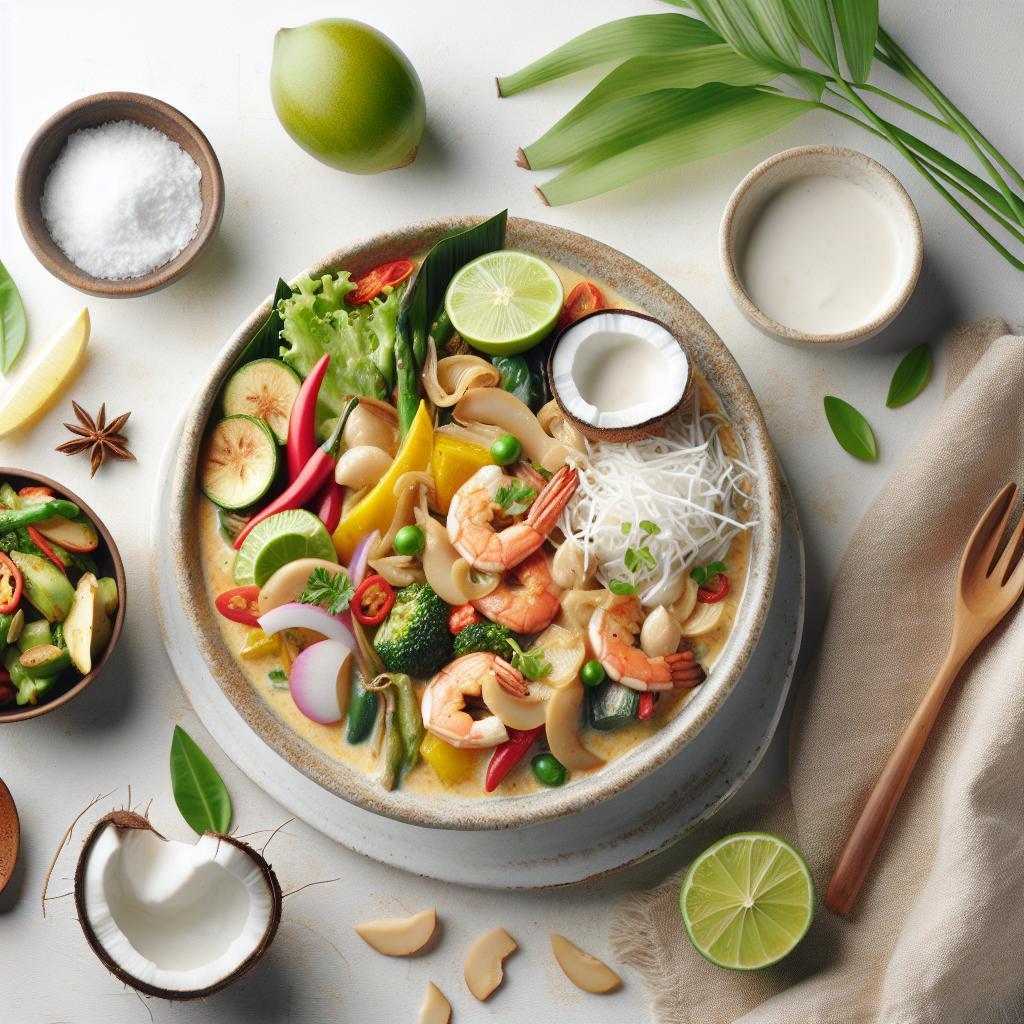

In the vibrant tapestry of Thai cuisine, coconut milk is the silken thread that weaves together bold flavors and soothing textures into culinary masterpieces. From the fragrant curries that sing with spice to velvety desserts that whisper sweetness, this creamy elixir transforms ordinary dishes into extraordinary experiences. Join us on a tantalizing journey as we dive into the world of Thai recipes enriched by the luscious embrace of coconut milk-a true delight for the senses and a testament to the magic of tropical cooking.
Creamy Delights: Exploring Thai Recipes with Coconut Milk
Creamy delights begin with the perfect ingredient, and few are as iconic or versatile in Thai cooking as coconut milk. This silky liquid essence has been cherished for centuries, weaving into the history of Thailand’s bold curries and delicate desserts alike. Whether you’re stirring fragrant green curry or simmering luscious coconut custard, knowing how to harness the natural richness of coconut milk opens a world of sensory pleasure. I remember my first taste of a traditional Thai coconut dessert in Chiang Mai-it was like a creamy symphony of sweet and subtle spice that awakened my culinary curiosity forever.
Prep and Cook Time
- Preparation: 15 minutes
- Cooking: 30 minutes
- Total Time: 45 minutes
Yield
Serves 4 generous portions
Difficulty Level
Medium – perfect for home cooks seeking an authentic touch.
Ingredients
- 1 can (14 oz) full-fat coconut milk, shaken well
- 1 tbsp vegetable or coconut oil
- 2 tbsp green curry paste (store-bought or homemade)
- 500g chicken thighs, cut into bite-sized pieces
- 1 cup Thai eggplants, quartered
- 1 red chili, sliced (optional for heat)
- 2 tbsp fish sauce
- 1 tsp palm sugar
- Fresh Thai basil leaves, for garnish
- Juice of 1 lime
- Steamed jasmine rice, to serve
Instructions
- Warm the coconut oil over medium heat in a large saucepan until shimmering.
- Add the green curry paste and sauté for 2-3 minutes, stirring constantly, until fragrant and slightly oily.
- Pour in half the coconut milk, stirring well to dissolve the paste.
- Add the chicken pieces and cook for 5 minutes, stirring occasionally until lightly browned.
- Pour in the remaining coconut milk, then add the Thai eggplants. Simmer gently for 15 minutes, or until chicken is tender and eggplants are cooked through.
- Season with fish sauce and palm sugar, balancing salty and sweet.
- Add the sliced red chili and stir to combine.
- Just before serving, stir in the lime juice and sprinkle fresh Thai basil leaves on top for a fragrant lift.
- Serve immediately over steaming jasmine rice, letting the creamy curry sauce envelop every bite.
Chef’s Notes
- Consistency control: For a thicker curry, simmer uncovered until the sauce reduces. For lighter curry, add a splash of chicken broth.
- Make it vegetarian: Substitute tofu or mixed vegetables and replace fish sauce with soy sauce or tamari.
- Texture tips: Shake canned coconut milk vigorously before opening to blend the cream and water layers for a silky texture.
- Prep ahead: The flavors deepen overnight, making this dish even more delicious when reheated gently.
- Fresh herbs: Beyond basil, try cilantro or kaffir lime leaves for varied aromatic profiles.
Serving Suggestions
Plate this curry with a side of fragrant jasmine rice or sticky rice for a traditional feast. Garnish with extra Thai basil and a wedge of lime to brighten each bite. For added texture contrast, sprinkle toasted peanuts or fried shallots on top. Pair with a crisp cucumber salad or fresh mango slices to balance the creamy richness with sweet and crunchy freshness.

| Nutrient | Per Serving |
|---|---|
| Calories | 420 |
| Protein | 30g |
| Carbohydrates | 15g |
| Fat | 28g |
For a deeper dive into authentic Thai seasoning and curry paste recipes, check out our Authentic Thai Curry Paste Recipes article.
Explore the origins of coconut milk and its culinary journey at Encyclopedia Britannica: Thai Cuisine.
Q&A
Q&A: Creamy Delights – Exploring Thai Recipes with Coconut Milk
Q1: What makes coconut milk special in Thai cuisine?
A1: Coconut milk is the velvety heart of many Thai dishes, offering a luscious creaminess that balances bold spices and vibrant herbs. Its natural sweetness and rich texture elevate curries, soups, and desserts, creating harmonious layers of flavor that are both soothing and exciting to the palate.
Q2: Which Thai dishes are best known for using coconut milk?
A2: Classic dishes like Tom Kha Gai (coconut chicken soup), Massaman Curry, and Green Curry prominently feature coconut milk. It also stars in sweet treats such as Mango Sticky Rice and Khanom Krok (coconut pancakes), infusing them with a silky richness that defines these beloved staples.
Q3: Can coconut milk be substituted in Thai recipes?
A3: While coconut milk’s unique creaminess is hard to perfectly replicate, coconut cream or diluted coconut milk powder can serve as alternatives depending on the recipe. For those with allergies, cashew cream or almond milk might work, but the distinctive coconut aroma and flavor will be missed.
Q4: Is there a difference between coconut milk and coconut cream in cooking?
A4: Absolutely! Coconut milk is a thinner, milky liquid extracted from grated coconut flesh and water, perfect for soups and curries. Coconut cream is thicker and richer, ideal for desserts or to add indulgence to savory dishes. Knowing when to use each can transform a recipe from ordinary to extraordinary.
Q5: How can home cooks incorporate coconut milk into everyday meals?
A5: Start simple-add a splash to your stir-fries or rice dishes for subtle creaminess. Experiment with making quick Thai-inspired sauces, or blend it into smoothies and desserts. Coconut milk’s versatility means it can sneak into breakfasts, lunches, dinners, and even snacks, adding a tropical twist whenever you like.
Q6: Are there health benefits to using coconut milk in Thai cooking?
A6: Coconut milk contains healthy fats called medium-chain triglycerides (MCTs) that may support energy and metabolism. It also delivers important nutrients like iron and magnesium. However, it’s calorie-dense, so enjoying it in moderation is key to balancing taste and wellness.
Q7: What tips can help ensure the best texture and flavor when cooking with coconut milk?
A7: Gently simmer coconut milk instead of boiling vigorously to prevent curdling. Shake canned coconut milk well before opening to mix the cream and water evenly. Pair it with fresh herbs like Thai basil, kaffir lime leaves, and galangal to enhance its aromatic profile. And remember, a little goes a long way toward creamy perfection!
Dive into the world of Thai cooking with coconut milk and discover a creamy delight that’s both comforting and exotic – a taste journey that delights the senses and nourishes the soul.
Concluding Remarks
As you close this culinary journey through the luscious world of Thai recipes infused with coconut milk, let your kitchen become a canvas of creamy delights. From the velvety richness of curries to the sweet whispers of desserts, coconut milk is more than an ingredient-it’s the heart that binds flavors and traditions. Embrace these recipes not just as meals, but as stories steeped in culture and comfort, inviting you to savor every spoonful with curiosity and joy. So, next time you reach for that can of coconut milk, remember: you’re stirring up a piece of Thailand’s soul, one creamy bite at a time.