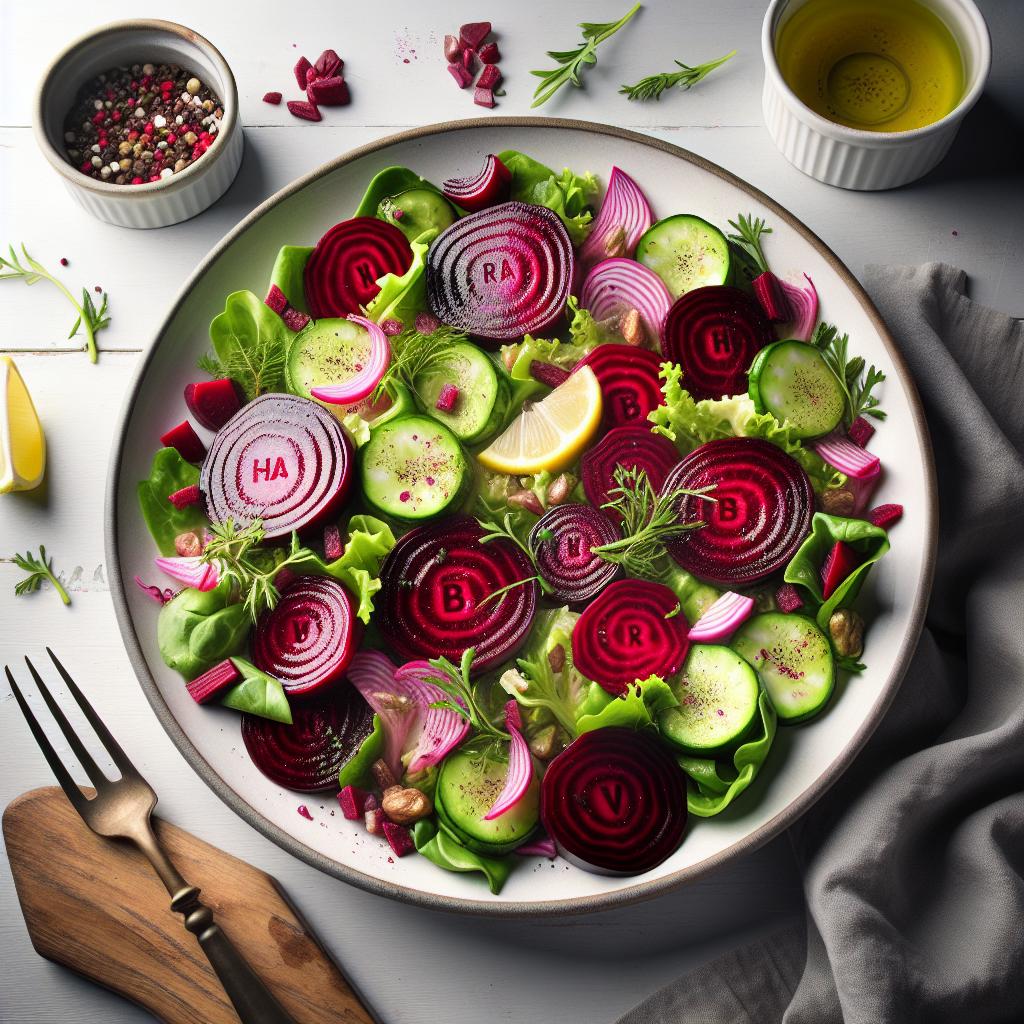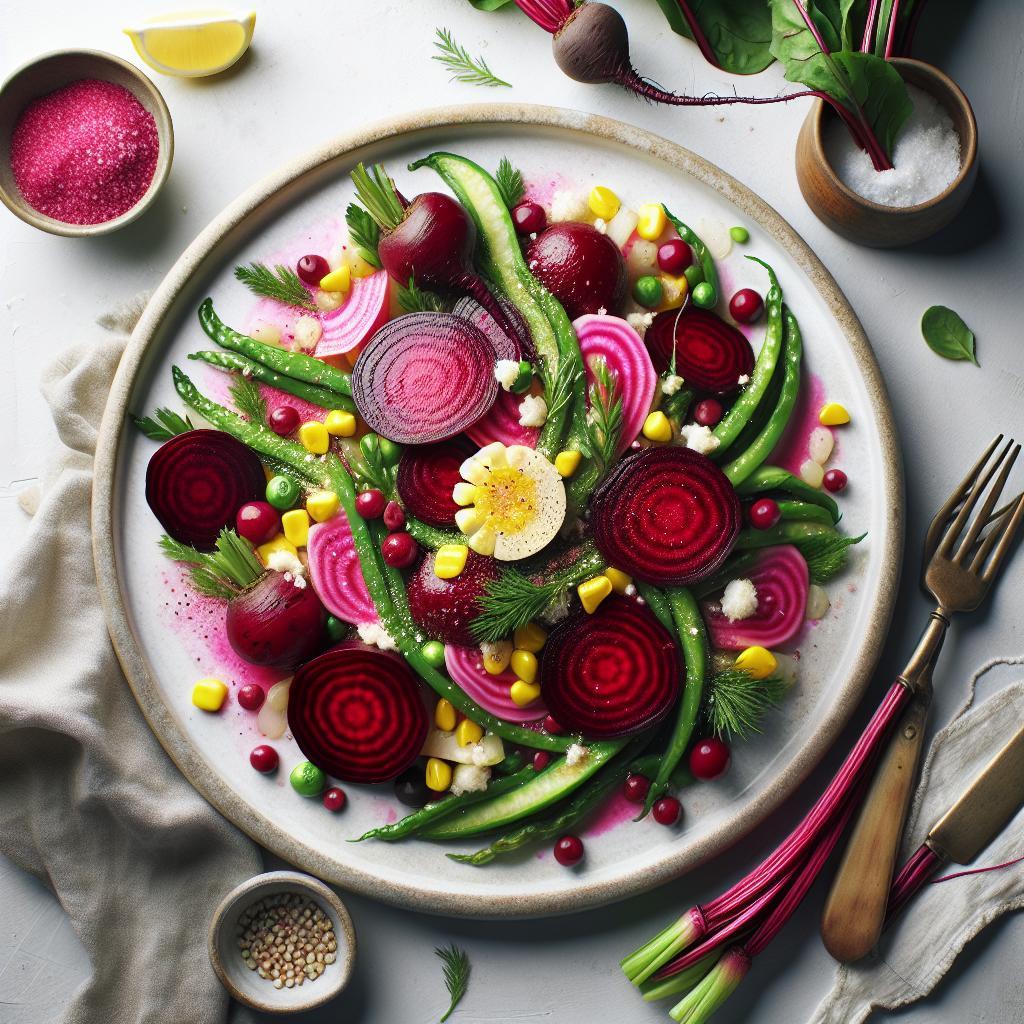

In the world of classic side dishes, few can rival the humble Harvard Beets for their striking color and subtly sweet tang. This vibrant vegetable medley has graced dinner tables for generations, turning ordinary meals into memorable feasts with its jewel-toned allure and bright, vinegary finish. But beyond its nostalgic charm lies a recipe full of potential-one that invites home cooks to reimagine a timeless favorite with fresh ingredients and a modern twist. Join us as we delve into the art of crafting the perfect Harvard Beets, where tradition meets creativity in every bite.
Harvard Beets Recipe brings a timeless classic to your table with a vibrant twist that delights both the eyes and the palate. This recipe unlocks the origins of this sweet and tangy side dish, traditionally cherished in American cuisine since the 19th century. Combining the natural earthiness of fresh beets with a luscious balance of sugar and vinegar, it’s a culinary gem that transforms humble roots into a refined accompaniment. Whether recalling its colonial roots or showcasing modern plating techniques, mastering Harvard Beets instantly elevates any meal.
Prep and Cook Time
Preparation: 15 minutes | Cooking: 30 minutes | Total: 45 minutes
Yield
Serves 4 generously as a side dish
Difficulty Level
Easy
Ingredients
- 4 cups fresh cooked beets, peeled and sliced
- 1/2 cup granulated sugar
- 1/2 cup apple cider vinegar
- 1/2 cup water
- 2 tablespoons unsalted butter
- 1 small onion, finely chopped
- 1 tablespoon cornstarch (optional, for thickening)
- Salt to taste
- Freshly ground black pepper to taste
- Fresh parsley, finely chopped, for garnish
Instructions
- Begin by preparing the beets if raw: wrap each beet individually in foil and roast at 400°F (205°C) for 40-50 minutes until tender. Let cool, then peel and slice uniformly.
- In a medium skillet, melt 2 tablespoons butter over medium heat. Add the finely chopped onion and sauté until translucent, about 5 minutes, stirring often to avoid browning.
- Pour in the apple cider vinegar, sugar, and water. Stir well to dissolve the sugar completely. Simmer the mixture gently for 5 minutes to meld flavors.
- Add the sliced beets into the skillet, coating them carefully in the sweet-vinegary sauce. Cook for an additional 10 minutes to allow the beets to absorb the glaze, stirring occasionally.
- For a thicker sauce, mix 1 tablespoon cornstarch with 2 tablespoons cold water, then slowly stir into the skillet while cooking. Continue stirring until the liquid thickens, about 2-3 minutes.
- Season with salt and freshly ground black pepper according to taste. Remove from heat.
- Transfer to a serving bowl and garnish liberally with fresh parsley to add a splash of verdant color and freshness.
Tips for Success
- Choose beets that are firm with smooth, unblemished skin to ensure freshness and vibrant color.
- Roasting the beets instead of boiling preserves more nutrients and intensifies their natural sweetness.
- If pressed for time, canned or pre-cooked beets can be used-just rinse to reduce sweetness and skip the initial roasting step.
- Adjust the balance of sugar and vinegar to personal preference-gradually add vinegar to maintain the ideal sweet-tart harmony.
- Harvard Beets improve in flavor overnight-prepare ahead for best results and vibrant taste fusion.
Serving Suggestions
Present Harvard Beets in a shallow white ceramic bowl that accentuates their deep ruby shade. Sprinkle with chopped fresh parsley or dill for a burst of herbal fragrance and contrasting green. Serve alongside roast meats, poultry, or as part of a vegetarian spread. For an unexpected modern touch, add crumbled feta or toasted walnuts atop the beets just before serving, creating layers of texture and flavor. Pair with creamy mashed potatoes or buttery dinner rolls to complete the meal.

| Nutrient | Per Serving |
|---|---|
| Calories | 110 kcal |
| Protein | 1.5 g |
| Carbohydrates | 27 g |
| Fat | 3.5 g |
For more vibrant sides that complement your favorites, explore our Roasted Vegetable Medley Recipe. To deepen your knowledge of beet nutrition and culinary versatility, visit Healthline’s comprehensive guide to beets.
Q&A
Q&A: Harvard Beets Recipe – A Vibrant Spin on a Timeless Side
Q: What exactly are Harvard Beets, and where does this dish originate?
A: Harvard Beets are a classic side dish made from tender, sweet beets prepared with a tangy, bright sauce typically featuring vinegar, sugar, and butter. The dish has roots in traditional American and European cooking, often served as a vibrant complement to hearty meals. Its name likely stems from the association with Harvard University, symbolizing a dish as timeless and distinguished as the institution itself.
Q: What sets the “vibrant spin” on Harvard Beets apart from the traditional recipe?
A: The vibrant spin infuses the dish with fresh, creative twists such as adding citrus zest, a hint of ginger, or warming spices like cinnamon and clove. This elevates the classic sweet-and-sour profile, turning a humble side into a dazzling, flavorful highlight that awakens the senses and brightens any plate.
Q: Why are beets particularly suited to this preparation?
A: Beets have a natural sweetness and earthy depth that pairs beautifully with the tangy vinegar and rich butter in Harvard Beets. Their vivid ruby color also makes the dish visually stunning-turning humble roots into edible jewels that add a pop of color and nutrition.
Q: Can Harvard Beets be customized to cater to different dietary preferences?
A: Absolutely! The recipe is remarkably adaptable. For a vegan version, substitute butter with coconut oil or plant-based margarine. To cater to a lower-sugar diet, replace sugar with natural sweeteners like maple syrup or agave nectar. Spices and herbs can also be adjusted to match various flavor profiles, from Mediterranean to Asian-inspired twists.
Q: What occasions or meals are Harvard Beets best suited for?
A: This dish shines alongside roasted meats, grilled fish, or holiday feasts. Its bright, tangy notes cut through rich, savory mains, making it a perfect side for Thanksgiving, Christmas, or even casual weeknight dinners that need a splash of color and flavor.
Q: Any tips for preparing Harvard Beets to maximize flavor and texture?
A: For the best texture, cook beets gently-either by roasting or simmering until just tender. Avoid overcooking, which can dull both flavor and color. When making the sauce, balance the acidity and sweetness carefully to achieve that signature tangy-sweet harmony. Finally, let the dish rest briefly so the flavors meld beautifully.
Q: How does serving Harvard Beets add nutritional value to a meal?
A: Beets are a powerhouse of nutrients, packed with antioxidants, fiber, and essential vitamins like folate and vitamin C. Incorporating Harvard Beets not only enhances taste and aesthetics but also boosts the overall health quotient of your meal.
Transforming a classic like Harvard Beets with vibrant new flavors keeps tradition alive yet fresh-proving that even time-honored dishes can surprise and delight with just a little creative flair.
The Way Forward
Bringing a splash of color and a burst of flavor to any meal, Harvard beets remind us that even the simplest side dishes can carry a story-and a history-on our plates. This vibrant spin on a timeless classic not only honors tradition but invites your taste buds to explore a delightful blend of sweet, tangy, and earthy notes. Whether served alongside a hearty roast or as a standout addition to a plant-based feast, Harvard beets are proof that culinary creativity can breathe new life into beloved recipes. So next time you’re looking to brighten your table and surprise your palate, don’t forget to bring a little Harvard magic to your kitchen.