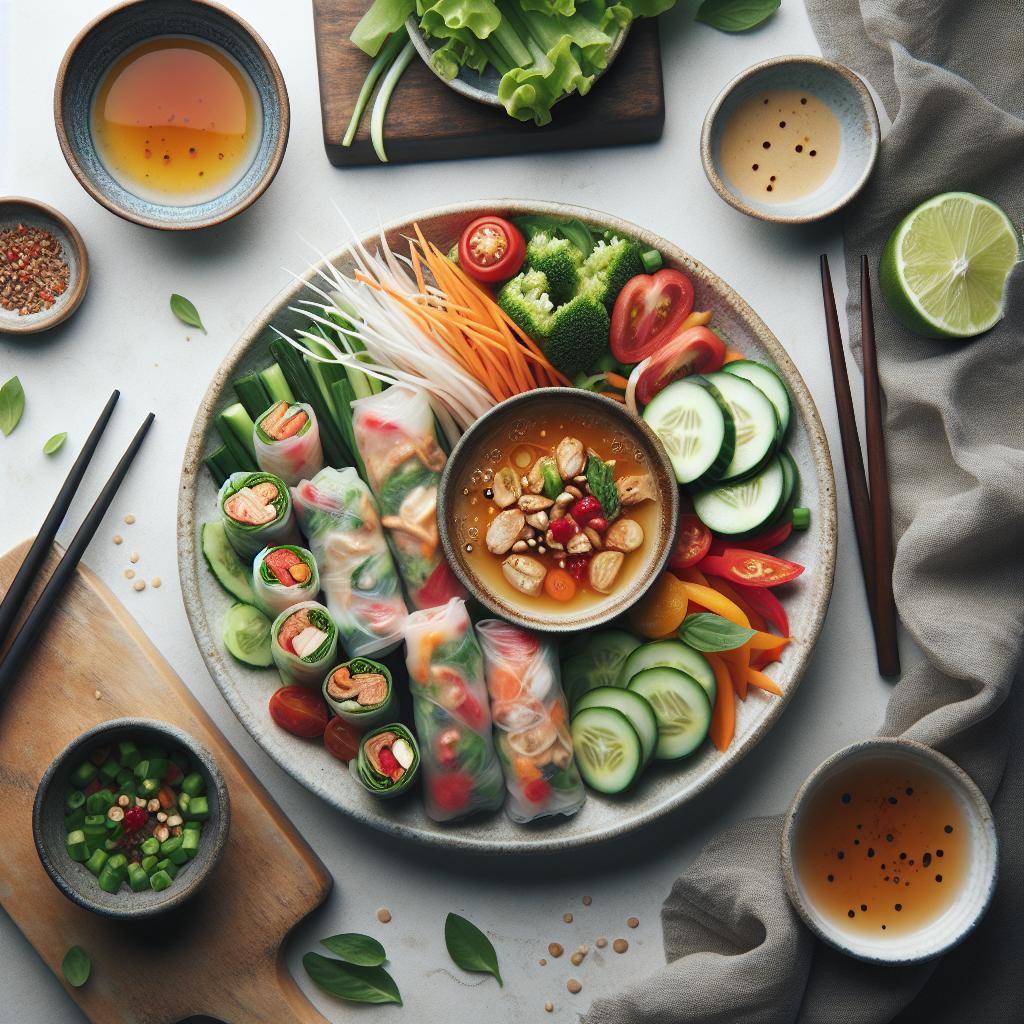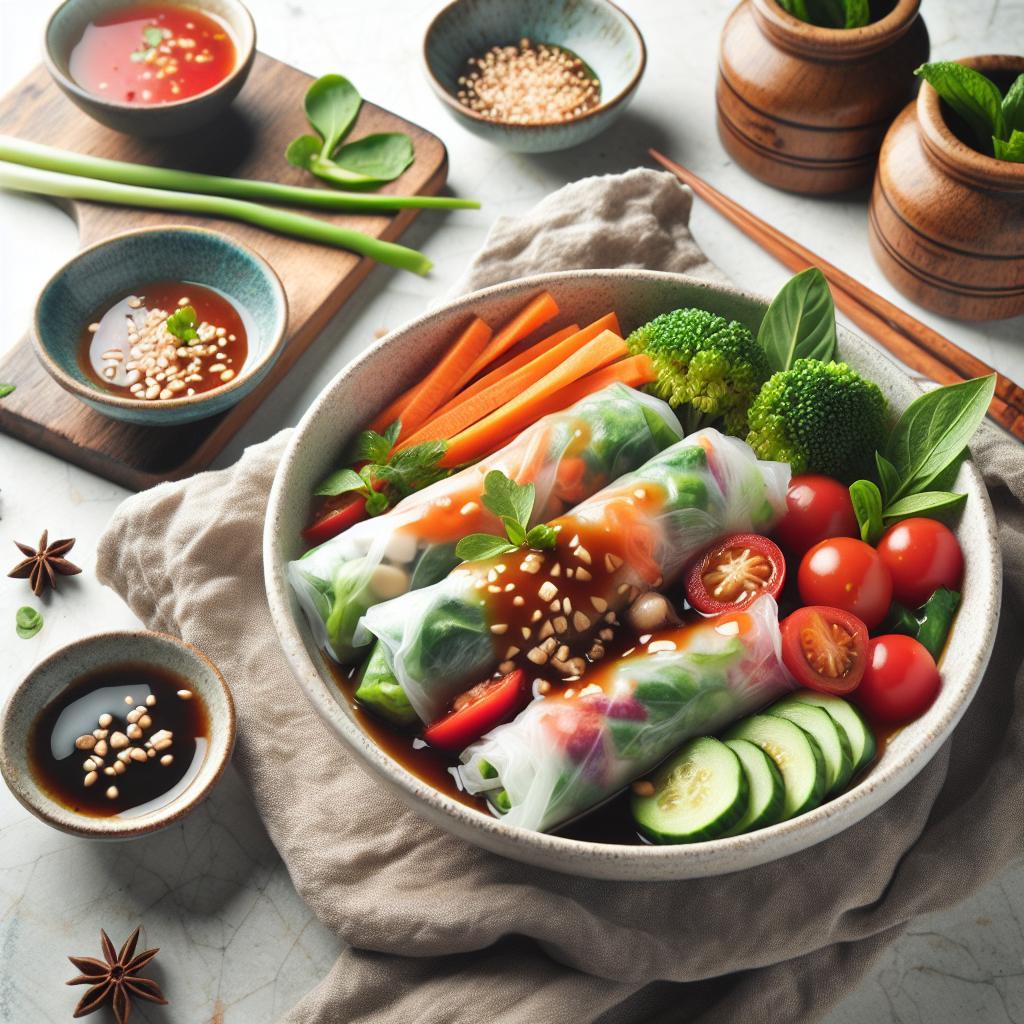

In the vibrant tapestry of Vietnamese cuisine, there’s a humble hero that often slips quietly beneath the spotlight: the spring roll sauce. More than just a dip, this luscious elixir is a symphony of flavors-tangy, sweet, savory, and a hint of fiery zest-that transforms simple fresh rolls into unforgettable bites. Mastering Vietnamese spring roll sauce is not merely about mixing ingredients; it’s about unlocking a cultural treasure that elevates every meal with its bright, harmonious balance. Whether you’re a seasoned foodie or a curious cook, dive into the art of crafting this vibrant essential and discover how a perfect sauce can bridge tradition and taste in every mouthwatering roll.
Mastering Vietnamese Spring Roll Sauce is an exploration of vibrant flavors and textures that elevate fresh rolls from simple snacks to a feast for the senses. This iconic dipping sauce, often called nước chấm, balances sweet, sour, salty, and umami notes, creating a harmony that complements the delicate rice paper-wrapped vegetables and proteins perfectly. Rooted in Vietnamese culinary tradition, this sauce has become a beloved staple in kitchens worldwide, cherished for its bright acidity and subtle heat.
Prep and Cook Time
Preparation: 10 minutes | Cook time: 0 minutes | Total Time: 10 minutes
Yield
About 1 cup (serves 6-8)
Difficulty Level
Easy – Ideal for all home cooks
Ingredients
- 3 tablespoons fish sauce (nước mắm)
- 3 tablespoons warm water
- 2 tablespoons fresh lime juice (about 1 lime)
- 1 tablespoon white sugar
- 1 small garlic clove, finely minced
- 1 small bird’s eye chili, thinly sliced (optional for heat)
- 1 tablespoon finely grated carrot (optional, for texture and color)
Instructions
- Combine sugar and warm water: In a small bowl, stir the sugar into the warm water until fully dissolved. This step ensures your sauce will be perfectly sweetened and smooth.
- Add fish sauce and lime juice: Pour in the fish sauce followed by the fresh lime juice. Stir well to blend the salty and tangy elements together.
- Incorporate aromatics: Add the finely minced garlic, mixing it thoroughly into the sauce. The garlic provides a punch of fragrant depth that wakes up every taste bud.
- Adjust heat with chili: Add thin slices of bird’s eye chili to infuse the sauce with just enough kick. This step is optional but highly recommended for those who enjoy a subtle fire.
- Finish with grated carrot: Gently fold in the grated carrot for a delicate crunch and splash of color, enhancing visual appeal and texture.
- Rest and serve: Let the sauce sit for at least 5 minutes before serving to allow the flavors to meld. Stir once again before using.
Chef’s Notes
- Adjusting sweetness and acidity: Depending on your palate, tweak the balance by adding more lime juice for tartness or extra sugar for sweetness. Taste as you go.
- Vegetarian option: Replace fish sauce with soy sauce or tamari to adapt this sauce for vegetarian friends without compromising the salty punch.
- Make-ahead tip: Prepare this sauce up to 24 hours in advance and store it in the refrigerator. Bring to room temperature before serving for optimal flavor.
- Texture variations: For a smoother sauce, finely mince garlic and carrot or pulse briefly in a mini food processor.
- Chili alternatives: Use fresh jalapeños or dried chili flakes if bird’s eye chilies are unavailable; adjust quantity to maintain desired heat.
Serving Suggestions
This spring roll sauce pairs beautifully not only with fresh Vietnamese spring rolls but also with crispy fried rolls for a perfect contrast in textures. Garnish the dipping bowl with extra minced garlic and sliced chili for a restaurant-style presentation. Serve alongside a platter of herb-rich rolls filled with vermicelli, shrimp, pork, and crunchy vegetables to highlight the sauce’s fresh brightness. For added flair, try drizzling a little sauce over a salad of shredded green papaya or use it as a tangy dressing for grilled meats and tofu skewers. The vibrant nature of this sauce lends itself to countless creative culinary adventures.
| Nutrient | Per 2 Tbsp Serving |
|---|---|
| Calories | 25 |
| Protein | 1g |
| Carbohydrates | 5g |
| Fat | 0g |
Mastering Vietnamese Spring Roll Sauce unlocks a gateway to authentic Vietnamese cuisine – vibrant, fresh, and endlessly adaptable to your taste. For more in-depth techniques on complementary Vietnamese dishes, check out our guide on Vietnamese Fresh Spring Rolls. To dive deeper into traditional ingredients like fish sauce, visit the detailed resource at Serious Eats: Fish Sauce Guide.

Q&A
Q&A: Mastering Vietnamese Spring Roll Sauce: A Vibrant Essential
Q1: What makes Vietnamese spring roll sauce so special?
A1: Vietnamese spring roll sauce is a vibrant symphony of flavors-sweet, sour, salty, and umami-that elevates fresh, delicate spring rolls into a memorable taste experience. Its versatility and balance make it an essential condiment in Vietnamese cuisine.
Q2: What are the key ingredients in authentic Vietnamese spring roll sauce?
A2: The heart of this sauce typically features fish sauce (nước mắm), fresh lime juice, sugar, water, garlic, and chili. Some variations include shredded carrots and crushed peanuts for added texture and visual appeal.
Q3: How do you balance the flavors correctly?
A3: The magic lies in harmony-sweetness from sugar balances the salty depth of fish sauce; lime juice adds bright acidity, and chili brings a gentle heat. Adjusting each element to your palate ensures the sauce sings with every dip.
Q4: Can the sauce be made vegetarian or vegan?
A4: Absolutely! Replacing fish sauce with mushroom or soy-based alternatives preserves the salty umami quality without compromising flavor, making it perfect for plant-based diets.
Q5: How should the sauce be served?
A5: Serve chilled or at room temperature in a small dipping bowl alongside fresh Vietnamese spring rolls. Garnish with finely shredded carrots, chopped peanuts, or fresh herbs for authentic presentation.
Q6: Are there regional variations of this sauce?
A6: Yes! Northern Vietnam favors a simpler, lighter version, often just fish sauce, lime, sugar, and water, while southern versions might be sweeter and chunkier with added crushed peanuts and carrots, showcasing the rich culinary diversity of Vietnam.
Q7: What tips do you recommend for mastering this sauce at home?
A7: Use high-quality fish sauce for depth, freshly squeeze the lime juice, and dissolve sugar completely for smooth sweetness. Taste as you go, adjusting gradually-this hands-on approach unlocks your perfect spring roll sauce every time.
Q8: Beyond spring rolls, how else can this sauce be used?
A8: This vibrant sauce transcends spring rolls-it’s fantastic as a dressing for salads, a marinade for grilled meats, or a flavorful dipping sauce for seafood and vegetables. Its lively balance enlivens many dishes!
In Conclusion
As you embark on your culinary journey to master Vietnamese spring roll sauce, remember that this vibrant condiment is more than just a dip; it is the soul of every roll, the zesty bridge between fresh ingredients and bold flavors. With each delicate blend of tangy, sweet, salty, and spicy notes, you unlock a centuries-old tradition that transforms simple rice paper and herbs into an unforgettable experience. So, whether you’re a seasoned cook or a curious food lover, perfecting this essential sauce will not only elevate your spring rolls but also deepen your appreciation for Vietnam’s rich and colorful cuisine. Dip in, savor the harmony, and let your taste buds dance in celebration.