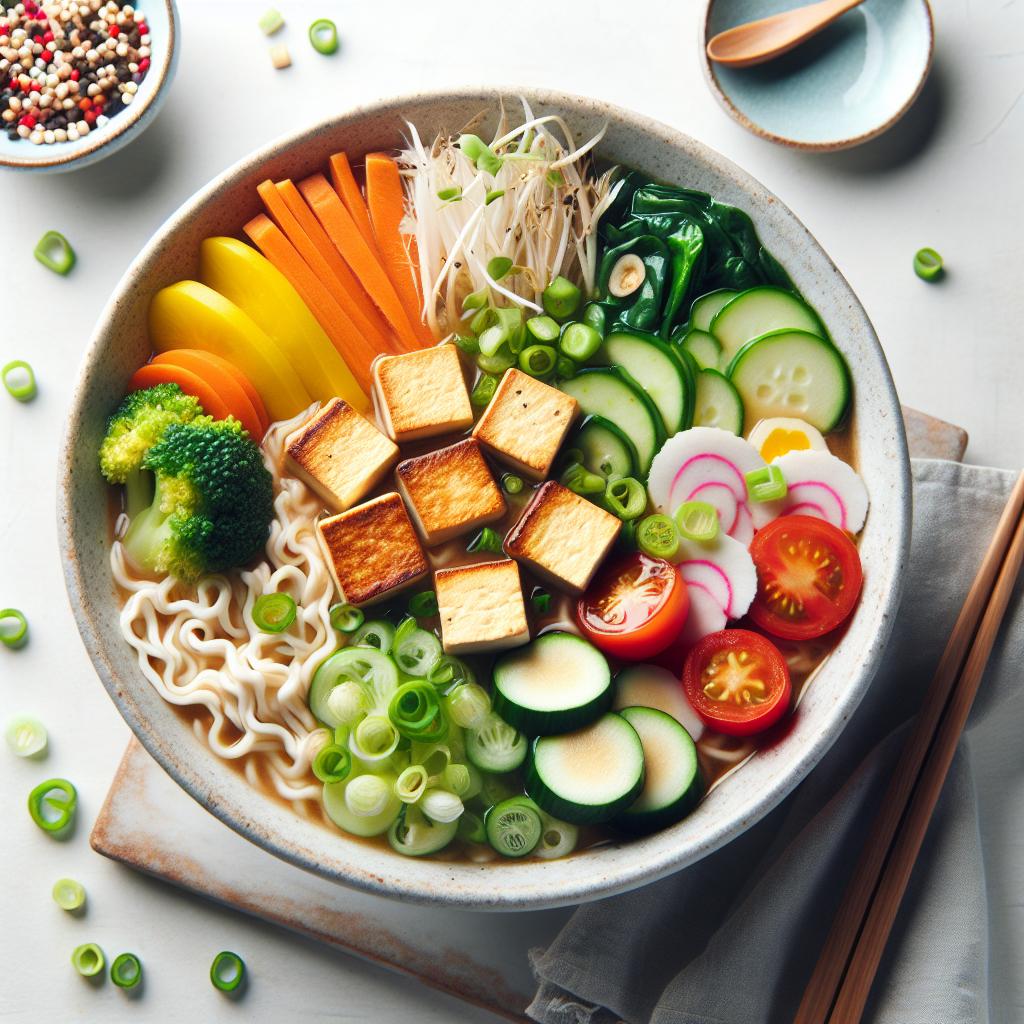

In a world where comfort food knows no borders, ramen has risen as a beloved bowl of warmth and satisfaction. Yet, for many, the quest for a truly exceptional ramen experience is hindered by dietary preferences, ethical choices, or simply a desire to explore vibrant plant-based flavors. Enter tofu – the humble, versatile ingredient that transforms ordinary noodles into a sublime symphony of taste and texture. Tofu Ramen Mastery: Crafting Flavorful Bowls for All Palates invites both seasoned cooks and curious beginners on a culinary journey where tradition meets innovation. Here, you’ll discover how to infuse your ramen with rich, layered flavors that honor the soul of this iconic dish without relying on animal products. Whether you crave a silky, comforting broth or a bold, spicy kick, this guide will equip you to craft bowls that satisfy every palate, proving that tofu and ramen are a match made in umami heaven.
Tofu Ramen Mastery welcomes you into a vibrant world where texture, flavor, and presentation converge to transform humble ingredients into a soul-satisfying feast. The journey begins with perfecting tofu’s texture-a yeast-like canvas that soaks in savory broth while delighting your palate with silken or crispy contrasts. Elevate this foundation by crafting a rich, balanced broth, marrying umami layers to support every bite. Selecting the right noodles harmonizes with tofu’s delicate flavors, ensuring each slurp is a celebration of taste. Finally, personalize your bowl with creative toppings and garnishes that add color, crunch, and depth, turning your ramen into an art form.
Prep and Cook Time
- Preparation: 25 minutes
- Cooking: 45 minutes
- Total Time: 1 hour 10 minutes
Yield
- Serves 4 hearty bowls
Difficulty Level
- Medium – Perfect for home cooks ready to explore intricate flavors and textures
Ingredients
- For the Tofu Texture:
- 400g firm tofu, pressed and cut into ¾-inch cubes
- 2 tbsp cornstarch
- 2 tbsp sesame oil (for pan-frying)
- For the Broth:
- 6 cups vegetable broth, preferably homemade or low-sodium
- 3 tbsp soy sauce
- 1 tbsp miso paste, white or red
- 1-inch piece fresh ginger, sliced thinly
- 3 garlic cloves, smashed
- 1 tbsp mirin
- 1 tsp toasted sesame oil
- 1 sheet kombu (dried kelp)
- ½ cup dried shiitake mushrooms
- Noodles and More:
- 200g fresh ramen noodles or substitute with soft udon noodles
- Creative Toppings and Garnishes:
- Soft-boiled eggs, halved (optional)
- Thinly sliced scallions
- Toasted nori sheets, cut into strips
- Roasted corn kernels
- Pickled bamboo shoots
- Fresh cilantro leaves
- Chili oil or shichimi togarashi for a spicy kick
Instructions
- Prepare the tofu: Gently pat tofu cubes dry with a kitchen towel. Toss them evenly in cornstarch, ensuring a light coating on each piece. Heat sesame oil in a large skillet over medium heat.
- Pan-fry the tofu: Add tofu cubes in a single layer. Sauté until golden brown and crisp on all sides, about 4-5 minutes per side. Remove and set aside on paper towels to drain excess oil.
- Build the broth base: In a large pot, combine vegetable broth, soy sauce, miso paste, ginger, garlic, mirin, kombu, and dried shiitake mushrooms. Bring to a gentle simmer over medium heat.
- Simmer and infuse: Let the broth gently simmer for 30 minutes to extract rich umami flavors. Remove kombu after 10 minutes to prevent bitterness, then discard ginger and garlic before serving.
- Cook the noodles: Boil fresh ramen noodles according to package instructions until al dente (typically 2-3 minutes). Drain and rinse briefly under cold water to prevent overcooking.
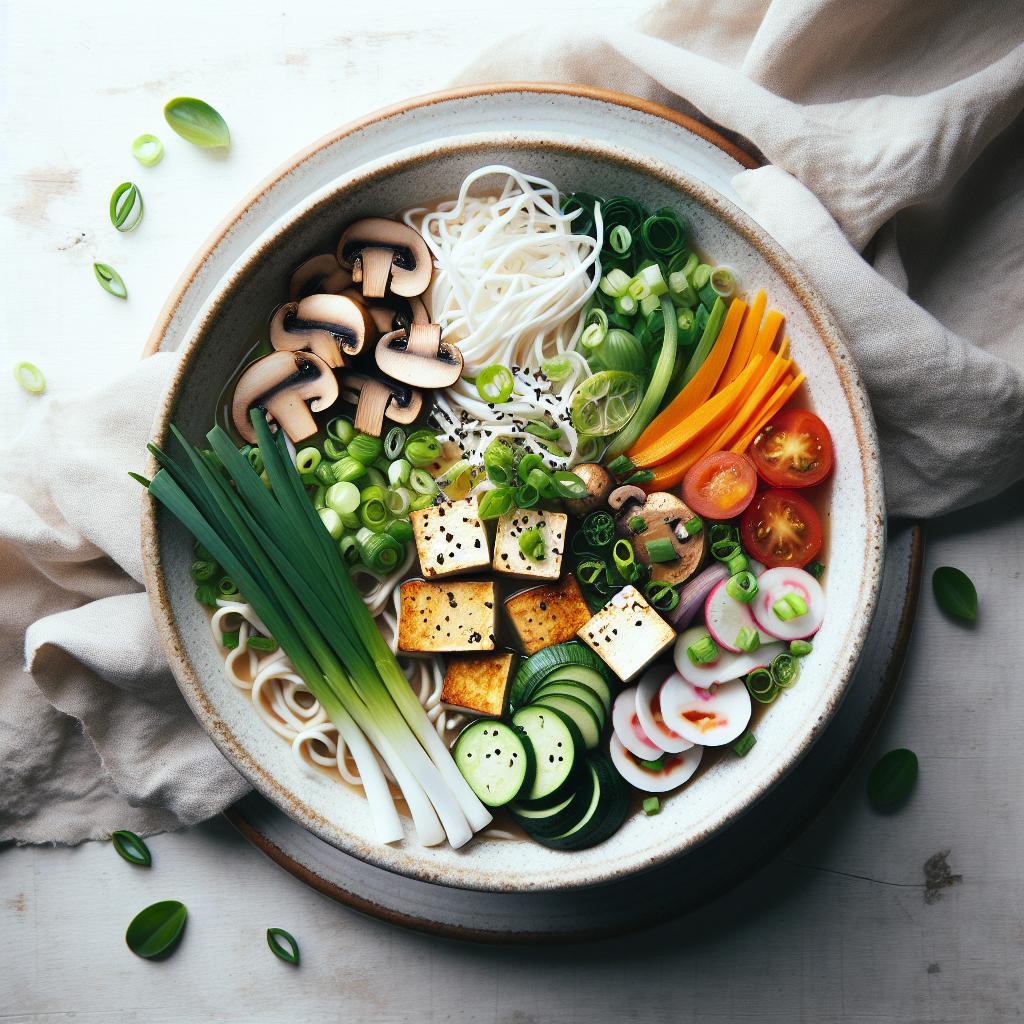
- Assemble your bowls: Divide noodles among four large bowls. Ladle hot broth over the noodles, then artfully arrange tofu cubes atop. Garnish generously with scallions, nori strips, roasted corn, and other toppings of choice.
- Final touches: Drizzle with chili oil or sprinkle with shichimi togarashi for heat, add soft-boiled eggs if desired, and finish with fresh herbs to brighten every sip.
Tips for Success
- Press tofu thoroughly-Removing excess moisture guarantees a crispy exterior without oil splatter.
- Use fresh noodles when possible; their springy texture beautifully complements silken tofu and broth.
- If you prefer a silkier tofu, gently simmer small tofu cubes in the broth instead of pan-frying, allowing them to absorb flavor directly.
- Customize the broth by adding a splash of sake or a dash of white pepper for complexity.
- Make the broth ahead of time; flavors deepen after resting overnight and simply reheat before serving.
- To reduce sodium, opt for low-sodium soy sauce and skip salt additions in the broth.
Serving Suggestions
Present your tofu ramen in deep ceramic bowls to preserve heat and create an inviting visual feast. For a vibrant pop, garnish with a scattering of toasted sesame seeds and thinly sliced scallions. Serve alongside a chilled glass of jasmine tea or sparkling water infused with yuzu to cleanse the palate. For added texture contrast, offer crispy garlic chips or crushed peanuts as optional toppings, enhancing both umami and crunch. Relish each bowl as a personalized canvas, reflecting your creativity and depth of flavor mastery.
| Nutrient | Per Serving |
|---|---|
| Calories | 430 kcal |
| Protein | 22g |
| Carbohydrates | 45g |
| Fat | 15g |

Q&A
Q&A: Tofu Ramen Mastery – Crafting Flavorful Bowls for All Palates
Q1: What makes tofu ramen different from traditional ramen?
A1: Tofu ramen swaps out the usual pork or chicken proteins for tofu, offering a plant-based, protein-rich alternative that soaks up flavors beautifully. It’s a versatile canvas that suits vegans, vegetarians, and anyone curious about lighter, yet deeply satisfying ramen bowls.
Q2: How do you select the best tofu for ramen?
A2: For ramen, firm or extra-firm tofu works best. It holds its shape in the broth and can be pan-fried, baked, or even grilled for that delightful texture contrast. Silken tofu is more suited for creamy miso soups but tends to break apart in ramen.
Q3: What are the essential components of a tofu ramen bowl?
A3: Think of it as a symphony: rich, umami-packed broth (shoyu, miso, or spicy), tender noodles, perfectly cooked tofu, and vibrant toppings like scallions, mushrooms, baby spinach, or corn. Don’t forget the finishing touches-sesame seeds, chili oil, and a soft-boiled egg (or vegan substitutes) elevate the whole experience.
Q4: How can one build a flavorful broth without animal products?
A4: The secret is layering umami-rich ingredients: kombu seaweed, dried shiitake mushrooms, miso paste, soy sauce, garlic, ginger, and fermented black beans. Slow simmering extracts deep, complex flavors that rival any meat-based broth.
Q5: Any tips for tofu preparation to maximize flavor?
A5: Press your tofu well to remove excess water, then marinate it in soy sauce, mirin, garlic, and a dash of sesame oil. After marinating, pan-fry or bake until golden and slightly crispy. This creates a beautiful contrast to the silky noodles and broth.
Q6: Can tofu ramen be adapted for all palates, including kids or picky eaters?
A6: Absolutely! Keep spice levels mild and use familiar toppings-think sweet corn, boiled eggs, or bamboo shoots. You can also adjust the broth richness and noodle type to suit lighter or heartier preferences, making tofu ramen a canvas for customization.
Q7: What are some creative twists to try in tofu ramen?
A7: Explore global flavors: a coconut curry broth with fried tofu for a Thai twist, or a smoky chipotle broth for a fusion edge. Tofu can be crumbled like ground meat or cubed, grilled with spicy glaze, or even blended into the broth for creaminess. The possibilities are endless!
Q8: How do you ensure the perfect noodle texture in tofu ramen?
A8: Fresh, alkaline wheat noodles with a bit of chew are traditional. Cook them just until al dente, then rinse lightly in cold water to stop cooking and prevent stickiness. Add noodles to hot broth at serving time to retain their bite but avoid sogginess.
Q9: What are the health benefits of tofu ramen compared to classic versions?
A9: Tofu ramen is often lower in saturated fats and cholesterol, while packing a protein punch from plant sources. Plus, integrating nutrient-dense veggies and broth rich in minerals makes it a wholesome, nourishing meal option that doesn’t skimp on flavor.
Q10: How can beginners start mastering tofu ramen at home?
A10: Start simple: make a basic umami broth with miso and dried mushrooms, cook firm tofu with a tasty marinade, boil fresh noodles, and add a handful of fresh toppings. Experiment with flavors in small batches, and soon you’ll be crafting bowls that impress both vegan and non-vegan friends alike!
The Way Forward
As you embark on your tofu ramen journey, remember that mastery lies not just in following recipes, but in embracing creativity and balance. By layering umami-rich broths, perfectly textured noodles, and versatile tofu preparations, you unlock endless possibilities that cater to every palate-from the adventurous spice lover to the gentle comfort seeker. Whether you’re crafting a minimalist bowl or an indulgent feast, let each step deepen your appreciation for this harmonious fusion of tradition and innovation. In the world of tofu ramen, flavor mastery is a delicious adventure-one bowl at a time.