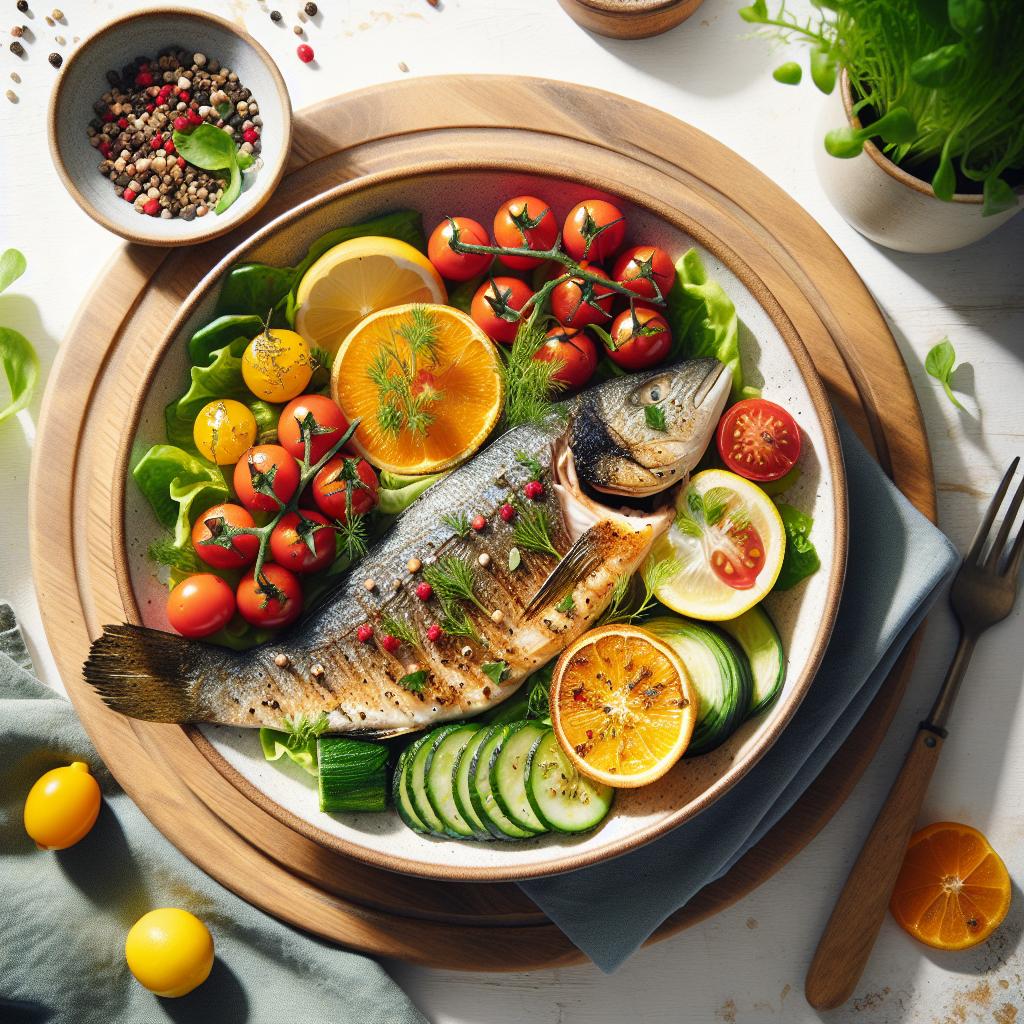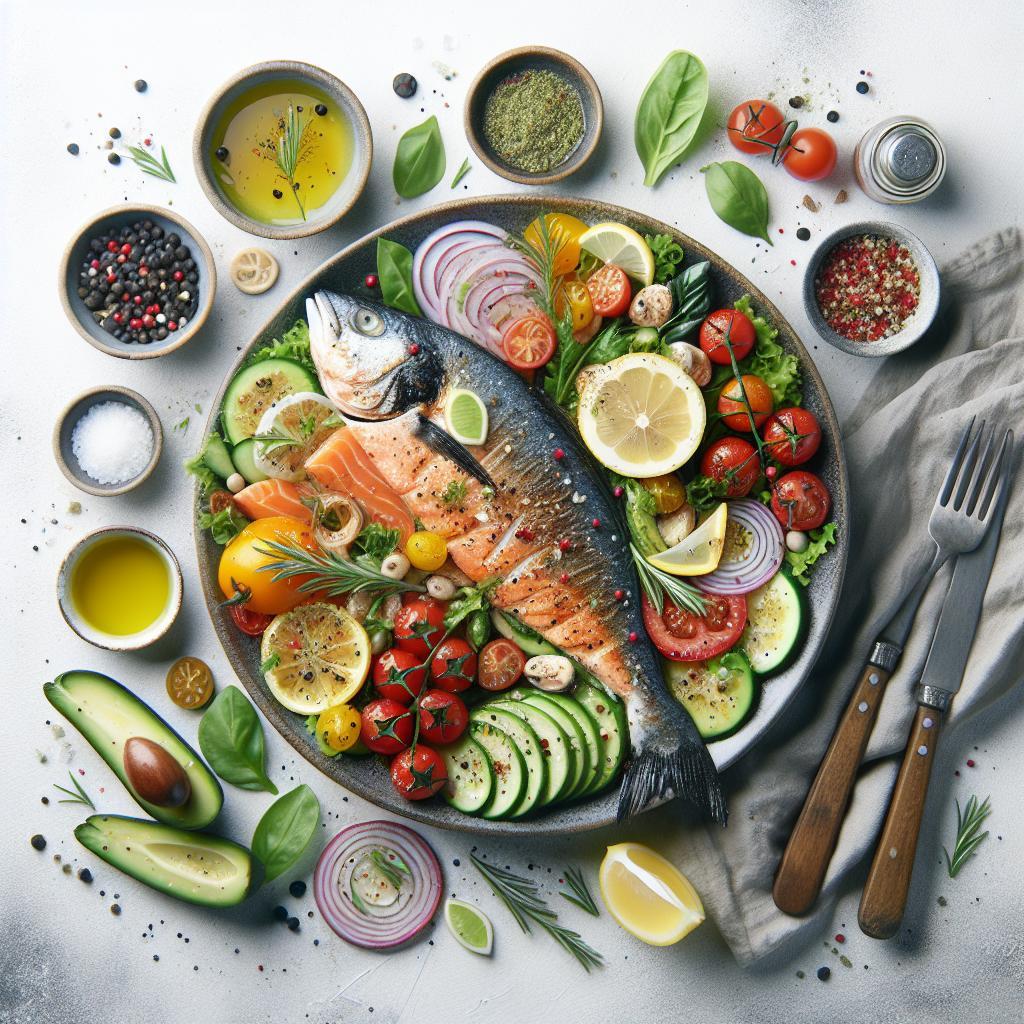

There’s nothing quite like the convenience of a meal-prepped dish ready to go-especially when it’s a delicate, flavorful piece of fish. But here’s the catch: reheating pre-cooked fish can be a culinary tightrope walk. Too hot, and you’re left with dry, rubbery disappointment; too cold, and the vibrant flavors fall flat. Fear not! With the right techniques, you can revive your meal-prepped fish to its fresh-from-the-kitchen glory. In this article, we’ll dive into expert tips and clever tricks to help you perfectly reheat your fish every time, preserving its tender texture, tantalizing taste, and nutritional goodness. Say goodbye to reheating woes and hello to effortless, delicious fish dishes whenever you please.
Perfectly reheating meal-prepped fish is both an art and a science. Reannouncing the vibrant flavors and silky textures of your originally cooked fish requires mindful attention to reheating methods, temperature control, and thoughtful flavor enhancements. Whether you’ve cooked flaky salmon, tender cod, or delicate sea bass, preserving moisture while intensifying taste can elevate your meal prep game from routine to remarkable.
Prep and Cook Time
- Preparation Time: 5 minutes
- Reheating Time: 10-15 minutes depending on method and appliance
Yield
- Serves 2-4 people, depending on portion size
Difficulty Level
- Easy
Ingredients for Perfectly Reheating Meal-Prepped Fish
- 2 portions of cooked fish fillets (salmon, cod, or trout recommended)
- 1 tbsp high-quality olive oil or butter
- 1 tsp lemon zest or fresh lemon juice
- Salt and freshly cracked black pepper to taste
- Fresh herbs like dill, parsley, or thyme, finely chopped (optional)
- 1 clove garlic, thinly sliced (optional)
- Aluminum foil or parchment paper for oven reheating
Step-by-Step Instructions
- Choose the right reheating appliance: Use a gentle appliance such as an oven, stovetop skillet, or microwave with low power to prevent overcooking.
- Prepare the fish: Lightly brush the fish with olive oil or a small dab of butter to help maintain moisture. Season with a pinch of salt and pepper.
- Oven method – Best for texture: Preheat oven to 275°F (135°C). Place fish on a baking sheet lined with parchment or foil; cover loosely with foil. Heat for 10-12 minutes, checking periodically to avoid drying.
- Stovetop skillet method – Fast and flavorful: Heat skillet on low. Add a teaspoon of oil or butter, then garlic slices if using. Gently warm fish for 3-4 minutes each side, keeping the heat low to preserve juices.
- Microwave method – Use with caution: Place fish on a microwave-safe dish, cover with a damp paper towel to retain moisture. Use 30% power, heating in 30-second bursts until just warm-avoid overheating.
- Add revitalizing touches: Finish with a squeeze of fresh lemon juice, sprinkle of chopped herbs, or a drizzle of a simple sauce like herb vinaigrette or garlic butter for vibrant flavor elevation.
Tips for Success When Perfectly Reheating Meal-Prepped Fish
- Prevent dryness: Low and slow reheating methods work best. High heat evaporates moisture quickly, causing a tough, dry texture.
- Don’t overheat: Fish continues cooking as it warms-remove it just shy of your target temperature to avoid it turning rubbery.
- Use foil or damp cloths: Covering traps steam, preserving softness and tenderness.
- Experiment with flavors: Herbs like dill or tarragon complement fish beautifully. A quick garlic butter drizzle can transform leftovers instantly.
- Make ahead prep: Portion fish into airtight containers with a wedge of lemon and herbs for freshness on reheating day.
Serving Suggestions
Perfectly reheated fish makes an elegant yet effortless meal centerpiece. Pair it with crisp steamed asparagus, roasted new potatoes, or a fresh green salad tossed in lemon vinaigrette. Garnish plates with lemon slices and a sprig of fresh dill or parsley to add color and aroma. For an inviting visual, sprinkle a few toasted pine nuts or crushed pistachios on top for texture contrast.
| Nutrient | Per Serving |
|---|---|
| Calories | 220 |
| Protein | 28g |
| Carbohydrates | 0g |
| Fat | 10g |
Discover more tips on reheating fish effectively from this trusted culinary source for deeper insights. For complementary meal ideas, check out our article on easy meal prep recipes to keep your weekly menu fresh and exciting.

Q&A
Q&A: Perfectly Reheating Meal-Prepped Fish – Tips & Tricks
Q1: Why is reheating fish so tricky?
A1: Fish is delicate and prone to drying out or developing a rubbery texture when reheated. Because its proteins are delicate and moisture easily escapes during reheating, it can quickly go from flaky and tender to tough and chewy. Mastering the right method preserves its juicy, succulent nature.
Q2: What’s the best method for reheating fish without losing flavor or texture?
A2: Low and slow wins the race. Gently reheating fish at a low temperature, like in a preheated oven at 275°F (135°C) wrapped in foil, helps retain moisture. Adding a splash of broth, lemon juice, or olive oil inside the foil can also keep the fish from drying out while enhancing flavor.
Q3: Can I reheat fish in the microwave?
A3: Yes, but cautiously! Microwaves heat unevenly and can easily turn fish rubbery. Use a microwave-safe dish, cover the fish with a damp paper towel to trap steam, and reheat on medium power in short 20-30 second bursts, checking frequently.
Q4: Should I avoid reheating fish more than once?
A4: Absolutely. Every round of reheating further breaks down the protein and loses moisture, resulting in a less appetizing meal. Try to reheat only the portion you’ll eat to keep your fish fresh and tasty.
Q5: How can I prevent fish odors from lingering when reheating?
A5: A splash of white wine or a squeeze of lemon can neutralize strong fishy smells. Also, reheating with aromatic herbs like dill, parsley, or thyme can freshen the scent and add depth to your meal.
Q6: Is it better to reheat fish with its sauce or separately?
A6: Reheating fish with its sauce is a win-win strategy. The sauce acts as a moisture barrier, keeping the fish tender, and infuses it with flavor. Just warm gently together, stirring occasionally to ensure even heating.
Q7: What fish types reheat best?
A7: Firmer, oilier fishes like salmon, trout, or mackerel tend to hold up better when reheated. Flaky, lean fish like cod or tilapia need extra care to avoid drying out but can still be delicious with the right technique.
Q8: Any pro tips for reviving day-old fish?
A8: Adding a small pat of butter or a drizzle of olive oil before reheating can restore richness. Pair reheated fish with fresh garnishes-like chopped herbs, a squeeze of citrus, or a crisp salad-to elevate the flavor and brightness.
By following these creative tips and tricks, your meal-prepped fish can taste just as delightful the second time around-moist, flavorful, and perfectly reheated every time!
To Wrap It Up
Reheating meal-prepped fish doesn’t have to be a culinary gamble. With the right techniques, you can transform yesterday’s catch into a deliciously fresh dish that tastes like it was just made. From mastering gentle heat methods to preserving moisture and flavor, these tips and tricks ensure your fish remains tender, flaky, and full of character. So next time you dive into your meal prep, remember that reheating well is just as vital as cooking well-and with a little care, your fish dishes will always come back to life with a splash of perfection. Happy reheating!