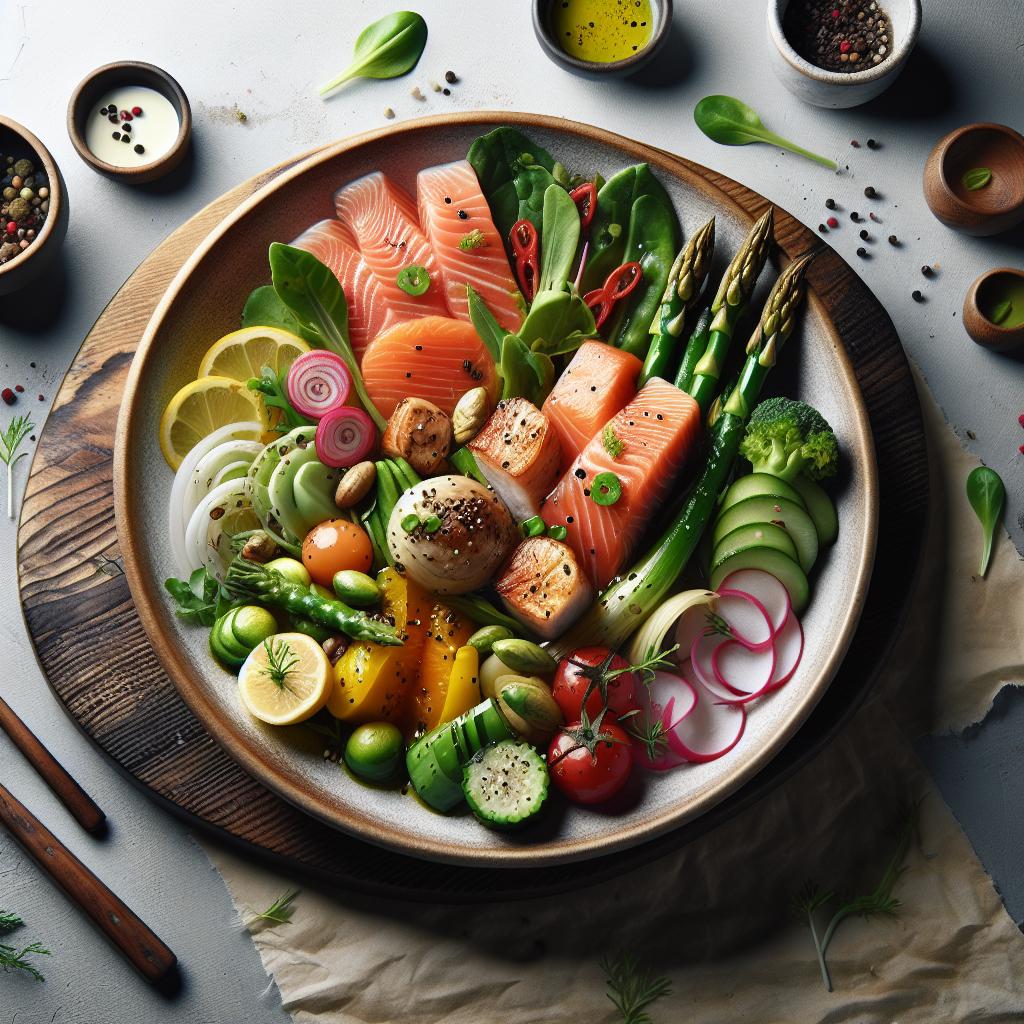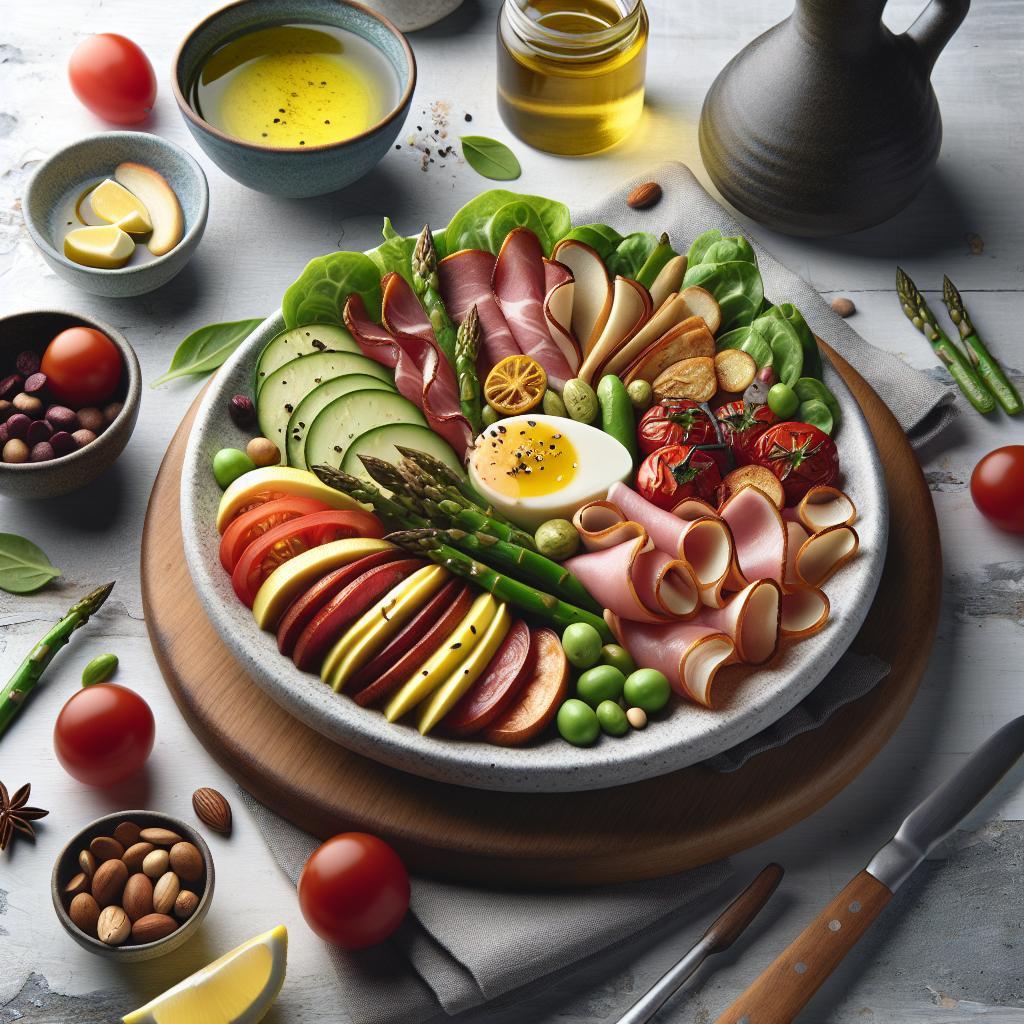

Imagine reaching into your fridge and finding crisp lettuce, vibrant berries, and perfectly ripe tomatoes that still look fresh – even weeks after your last grocery trip. What if you could transform your produce routine, turning perishable fruits and vegetables into long-lasting pantry staples? Unlocking the secret to extending your produce life for a month not only saves money and cuts down on waste but also ensures every bite bursts with garden-fresh flavor. In this article, we’ll explore innovative tips and clever hacks designed to preserve the vitality of your fruits and veggies, making freshness a habit rather than a fleeting moment. Get ready to revolutionize the way you store, handle, and savor your produce!
Understanding Produce Spoilage and Smart Storage for Lasting Freshness
Unlock freshness starts with grasping the delicate balance of moisture, temperature, and air circulation that governs how your fruits and vegetables age. The first step in extending your produce life for a month is learning how microbial activity, enzymatic breakdown, and moisture loss contribute to spoilage. When these elements accelerate, wilting, mold, and off-flavors appear swiftly.
Prep and Cook Time
- Preparation: 15 minutes
- Active Storage Setup Time: 10 minutes
- Preservation Duration: Up to 30 days depending on method
Yield
- Preserves freshness for a typical household produce batch (varies by quantity stored)
Difficulty Level
- Easy to Medium – no culinary skills needed, just mindful habits and simple tools
Ingredients for Smart Produce Storage
- Fresh fruits and vegetables – cleaned and inspected carefully
- Paper towels or clean kitchen cloths – to absorb excess moisture
- Perforated plastic bags or breathable produce bags
- Glass jars or airtight containers for specific preservation techniques
- Vinegar (optional) – for gentle wash reducing bacterial load
- Baking soda (optional) – to neutralize odors
- Refrigerator crisper drawers – properly adjusted humidity settings
Instructions: How to Maximize Produce Freshness
- Inspect and sort. Sort your fruits and vegetables by their ripening needs and shelf life. Remove any bruised or damaged pieces immediately to prevent ethylene gas buildup – a natural ripening agent that accelerates spoilage.
- Clean gently. Rinse produce in cold water or use a vinegar solution (one part vinegar to three parts water) to reduce bacteria and pesticide residue without washing away natural protective coatings.
- Dry thoroughly. Pat dry with paper towels or a clean cloth. Excess moisture invites mold-this simple step prevents premature soft spots.
- Use breathable storage. Place produce in perforated bags, or wrap leafy greens loosely in paper towels inside containers to maintain ideal humidity. Avoid plastic bags that trap moisture entirely.
- Set crisper drawer humidity. Use the high-humidity setting for leafy greens and vegetables like broccoli and carrots; low humidity is perfect for fruits such as apples and pears.
- Try innovative preservation. Store berries and mushrooms in containers with paper towels to absorb moisture. For longer crunch, submerge herbs like cilantro and parsley in water, covered loosely with a plastic bag, like fresh flowers.
- Freeze or pickle rapidly perishable items. Many vegetables like green beans, peas, or sliced peppers freeze well once blanched slightly. Pickling cucumbers or radishes extends their crisp life and adds vibrant tang to meals.
- Check regularly. Every few days, revisit stored produce. Remove any items that show early spoilage to protect the rest, and rotate older items to the front for use.
Chef’s Notes: Tips for Refrigeration and Preservation Success
- Do not wash berries until ready to eat – moisture accelerates spoilage, so only rinse when preparing.
- Store fruits that emit ethylene (avocados, bananas) separately from ethylene-sensitive veggies like leafy greens and cucumbers to avoid rapid decay.
- Use airtight glass jars for herbs stored in water, changing water every 3-4 days to maintain crispness.
- Consider vacuum sealing for longer storage in freezing or refrigeration; it limits oxygen and moisture loss.
- Label and date your preserved batches so you know what to use first and avoid wastage.
Serving Suggestions
Produce kept crisp and fresh is ideal for raw snacking, vibrant salads, and colorful sides. Present fresh leafy greens with a drizzle of extra virgin olive oil, lemon zest, and toasted nuts to heighten their natural textures. Bright, firm fruit slices pair beautifully with creamy yogurts or crisp cheeses for a refreshing dessert or midday boost.
For an aromatic finish, sprinkle chopped herbs just prior to serving. Keep your vibrant vegetables at the core of both everyday meals and celebratory dishes – their crunch and color will breathe life into your presentation.
| Nutritional Info (per 100g) | Calories | Protein | Carbs | Fat |
|---|---|---|---|---|
| Fresh Leafy Greens | 20 | 2g | 4g | 0g |
| Firm Fruits (Apples, Pears) | 52 | 0.3g | 14g | 0.2g |
| Crunchy Veggies (Carrots, Cucumber) | 35 | 1g | 8g | 0.1g |

For more innovative food storage secrets, check out our complete guide on How to Store Vegetables to Extend Freshness. Also, the USDA’s Food Safety and Inspection Service offers essential household storage tips for produce and beyond.
Q&A
Q&A: Unlock Freshness – Extend Your Produce Life for a Month
Q1: Why does my fresh produce spoil so quickly?
A1: Fresh fruits and vegetables are living, breathing entities-they continue to respire and release moisture and gases like ethylene after harvest. This natural process speeds up ripening and eventual decay if not managed. Improper storage, exposure to excess moisture or ethylene-sensitive produce near heavy ethylene producers can quicken spoilage.
Q2: Can I really keep produce fresh for a whole month?
A2: Absolutely! With the right techniques, many fruits and veggies can stay fresh for 3-4 weeks-sometimes even longer. It’s all about controlling moisture, temperature, air flow, and ethylene exposure. Think of it as giving your produce a cool, cozy, and calm environment to thrive longer.
Q3: What are some secret hacks to dramatically prolong freshness?
A3: Here are some game-changers:
- Wrap leafy greens in paper towels to absorb excess moisture and then store in breathable bags.
- Separate ethylene producers (like apples, bananas, and tomatoes) from sensitive veggies (like broccoli and leafy greens).
- Store root veggies in a cool, dark place with some sand or sawdust to reduce moisture loss.
- Use perforated containers or keep fridge drawers slightly open to balance humidity and airflow.
- Blanch and freeze certain produce for the ultimate long-term freshness.
Q4: Does washing produce before storage help or hurt?
A4: It depends. Washing can introduce moisture that promotes mold and decay if the produce isn’t dried properly. For berries, wash only before eating-not before storage. Leafy greens can be washed, dried thoroughly, and then stored wrapped in paper towels to keep them crisp.
Q5: Are there specific fruits or vegetables that are easiest to keep fresh for a month?
A5: Yes! Apples, carrots, cabbage, citrus fruits, winter squash, potatoes, and onions have naturally longer shelf lives and respond well to smart storage. Some leafy greens and berries are more delicate but can last weeks if handled gently.
Q6: How does temperature affect produce longevity?
A6: Temperature is king. Most produce thrives in cool, consistent temperatures-usually 32-40°F (0-4°C). Too warm accelerates spoilage; too cold (below freezing) damages textures. Root cellars, crisper drawers, or specialty produce keepers help maintain ideal climates.
Q7: Can ethylene gas really make such a difference?
A7: Definitely! Ethylene gas is like a ripening accelerator. Placing ethylene-sensitive veggies next to ethylene emitters can cause early spoilage. By separating apples, bananas, and tomatoes from delicate greens, you’re basically putting a “Do Not Disturb” sign on your sensitive produce.
Unlocking produce freshness is less about luck and more about love-and knowledge! With these tips, expect your market haul to stay vibrant, tasty, and nutritious far beyond what your eyes thought possible. Your kitchen, and your taste buds, will thank you.
Insights and Conclusions
As the crisp crunch of fresh produce continues to brighten your meals day after day, imagine the satisfaction of knowing that each apple, carrot, and leafy green has been preserved at its peak for weeks on end. Unlocking the secrets to extending the life of your fruits and veggies isn’t just about saving money – it’s about savoring the vibrant flavors and nourishing goodness nature intended, longer and better. With these simple strategies woven into your routine, you’re not just prolonging freshness; you’re cultivating a pantry that supports health, reduces waste, and elevates every bite. So go ahead, embrace the art of preservation, and enjoy a month’s worth of garden-fresh delight – because freshness isn’t just a moment, it’s a mindset.